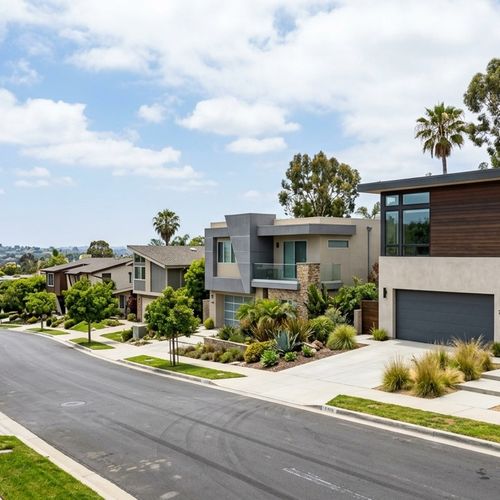
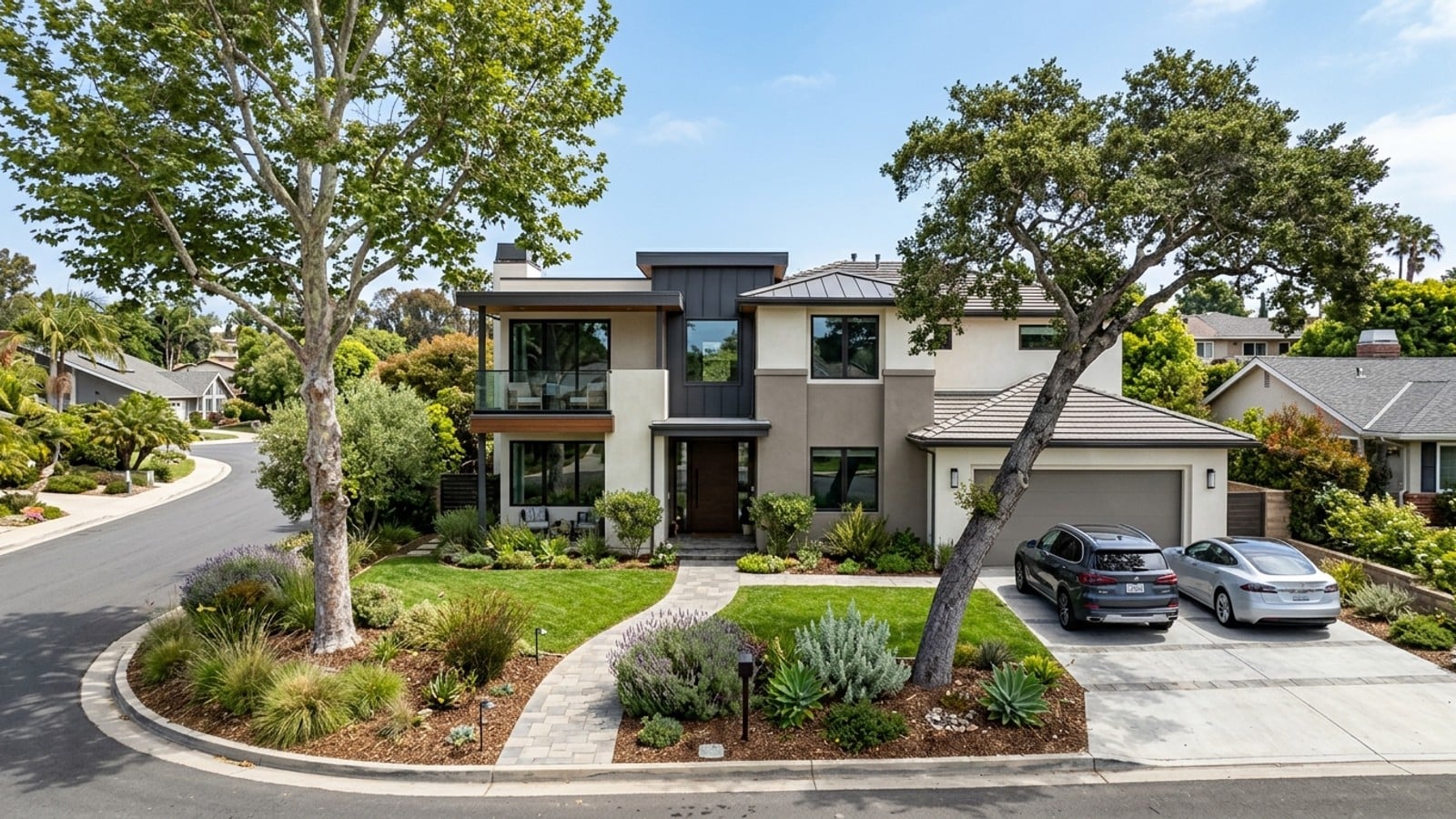
The median sale price in University City is sitting at around $895,000 right now, with homes spending roughly 24 days on the market and 95 recent sales already closed. That's a solid market for anyone looking to sell a home in University City, San Diego. But before you start doing the math on what you'll walk away with, you need to understand what comes out of that number first - commissions, county taxes, escrow fees, and a handful of other charges that add up faster than most sellers expect.
Your net proceeds are simply your gross sale price minus everything deducted during escrow. Let's go through what those deductions actually look like in San Diego County.
What Sellers Pay at Closing in California
You don't write a check at the closing table. The title or escrow company handles all the accounting - they pay off your existing mortgage, clear any liens, distribute fees to the appropriate agencies and service providers, and wire whatever's left to your bank account. The buyer gets a clean title; you get your net proceeds.
That said, your gross sale price and your net proceeds are two very different numbers. Sellers get fixated on the offer price during negotiations, which is understandable. But a higher offer loaded with seller credits can easily net you less than a slightly lower, clean offer. Run the numbers on every offer you receive, not just the headline price.
Buyers and sellers each cover different parts of the transaction based on California custom. Buyers handle their loan origination fees, appraisals, and home inspections. Sellers cover the costs of transferring a clean title, county transfer taxes, and agent commissions. How certain administrative fees get split depends on where in California you are.
How Much You'll Pay in Fees and Taxes
The baseline closing costs for California sellers average about 2.71% of the sale price - that's before commissions. Add commissions in and your total typically lands between 7% and 8% of the final price.
Your exact number depends on three things: what the home sells for, the commission rate you agree to, and whether you offer any concessions to the buyer. These percentages scale linearly, so a higher sale price means larger dollar amounts even when the percentages stay flat.
The 2.71% baseline covers title policies, escrow services, and county transfer taxes. Commissions are a separate line item and the largest single expense you'll face. The average total real estate commission in San Diego runs about 5.47% of the sale price, with the practical range falling between 4.8% and 5.5% depending on what you negotiate.
What Those Percentages Look Like in Dollars
On a $400,000 property, the 2.71% baseline equals $10,840. A 5.47% commission adds another $21,880, putting total estimated seller costs at $32,720.
At the University City median of $895,000, the same percentages yield bigger numbers. The 2.71% base costs come to $24,254. The 5.47% commission is $48,956. Combined, you're looking at roughly $73,210 in total estimated costs before any concessions or credits.
Who Covers Which Costs in San Diego County
In San Diego County, escrow fees are split 50/50 between buyer and seller. That's the local custom, and it's worth knowing because it differs from other parts of the state where one party pays the whole fee.
Sellers here customarily pay the county documentary transfer tax and the owner's title insurance policy. The title policy assures the buyer there are no hidden liens or ownership disputes attached to the property. Sellers also cover both the listing agent's and buyer's agent's commissions - the escrow officer deducts the full amount from your proceeds at closing.
Buyers handle their own lender fees, the lender's title insurance policy, and recording fees for their new deed of trust. They also fund their initial escrow accounts for future property taxes and insurance, and they pay for the home inspection and appraisal. Where things get complicated is repairs - if the inspection turns up issues and both parties agree to a credit, that cost lands on you at closing.
What You Can and Can't Negotiate
Almost any fee in a real estate transaction is technically negotiable. Practically speaking, pushing back on local customs - like the 50/50 escrow split - can create friction or give a buyer a reason to walk. It's a fight that usually isn't worth picking.
Government taxes are a different matter. You can't avoid them. The county transfer tax gets paid when the new deed records, full stop. What you can negotiate is who brings the funds - that's a contract discussion, not a legal one.
Itemized Expenses for a University City Home Sale
Your final settlement statement will list every charge individually. Knowing what's coming prevents surprises when the escrow officer hands you an estimated net sheet.
Real estate commissions are the biggest line item. At the San Diego average of 5.47%, a $895,000 sale generates a total commission of approximately $48,956, split between the listing agent and buyer's agent. You lock in this rate in your listing agreement before the home hits the market.
Transfer and recording taxes are straightforward. San Diego County charges a documentary transfer tax of $1.10 per $1,000 of the sale price - that's 0.11%, and sellers typically pay it. The San Diego County Recorder charges a base fee of $10 for recording the first page of an instrument, plus additional per-page charges. There's also an SB-2 recording fee that applies to real estate transactions, capped at $225 for all related instruments recorded within 60 days of the initial transfer.
Title insurance, escrow, and prorated items round out the rest. The owner's title policy is on you as the seller. Escrow fees are split 50/50 locally. You'll also see prorated property taxes and HOA dues on your settlement statement - if you've paid those in advance, you'll receive a credit for the days after closing when you no longer own the property.
How to Estimate Your Net Proceeds
The formula is simple. Start with your expected sale price, subtract your mortgage payoff balance, subtract agent commissions, and subtract standard closing costs. Whatever's left is your estimated net.
Your agent should give you a seller net sheet when you list and again when any offer comes in. That document runs the numbers based on the specific contract terms.
On an $895,000 sale, the 2.71% closing fees come to $24,254 and the 5.47% commission is $48,956. After those two deductions, you're at $821,790. If you still owe $400,000 on your mortgage, your estimated net proceeds drop to $421,790 - and that's before any prorated tax credits are applied.
Cash Sales
If you're selling to a cash buyer, the process moves a bit faster and skips some lender-related administrative steps. Your costs as the seller, though, are largely unchanged. You still owe the county transfer tax, your half of the escrow fee, the owner's title policy, and any agreed-upon agent commissions.
Ways to Lower Your Closing Bill
You can't negotiate your way out of government taxes or recording fees. But you do have meaningful control over two things: commissions and concessions.
Commissions are not set by law. Talk through the rate with your agent before you sign a listing agreement - the practical range in San Diego runs from 4.8% to 5.5%. Even a half-point difference makes a real dollar impact at these price levels.
Concessions are the other lever. If a buyer asks for a $5,000 closing cost credit, turning that down or reducing it directly improves your net. Same goes for repair credits after inspection - a buyer will often ask for more than they need. Weigh the cost of any credit against the realistic risk of them walking away, and don't assume every request requires full capitulation.
With local homes selling at around 98.5% of list price, you're not negotiating from a weak position.
Frequently Asked Questions
What percentage of the final sale price should I expect to pay in seller closing costs in University City?
Expect about 2.71% in standard closing costs plus commissions. The average total commission in San Diego is 5.47%, which puts the combined total at roughly 8.18% of the sale price.
Are there any specific San Diego city transfer taxes I need to pay when selling a house in University City?
Yes - the San Diego County documentary transfer tax applies. It's calculated at $1.10 per $1,000 of the final sale price, which works out to 0.11%.
How common is it to negotiate for the buyer to cover some of the seller closing costs in the current University City real estate market?
It's not common for buyers to absorb traditional seller costs like the documentary transfer tax or your agent's commission. That said, the 50/50 escrow split is negotiable if a buyer wants the property enough to cover your half.
Do I need to pay escrow fees and agent commissions out of pocket before my home sale closes?
No. Escrow fees, commissions, and transfer taxes are all deducted directly from your proceeds at closing. Nothing comes out of your pocket upfront.
How do buyer repair credits or concessions impact my final closing costs as a seller?
Any repair credits or financial concessions you agree to get subtracted from your gross sale price at closing. They increase your total transaction costs and directly reduce your net proceeds.
Does selling an investment property or second home near UCSD trigger different closing fees compared to a primary residence?
The standard closing costs are the same - the 2.71% average and the $1.10 per $1,000 transfer tax don't change based on how you've used the property. What can change is your tax situation. You'll want to talk to a tax professional about potential capital gains implications, which are handled entirely outside the standard closing process.
Check out this article next