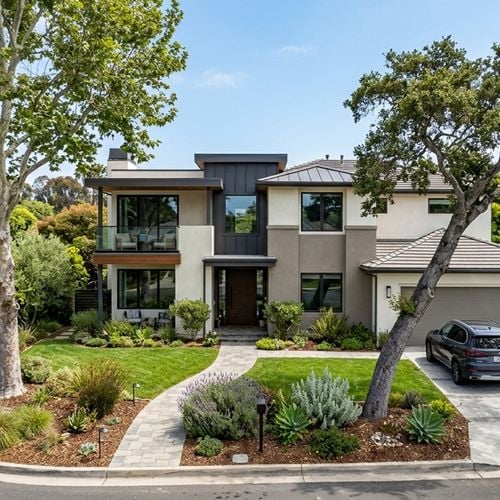
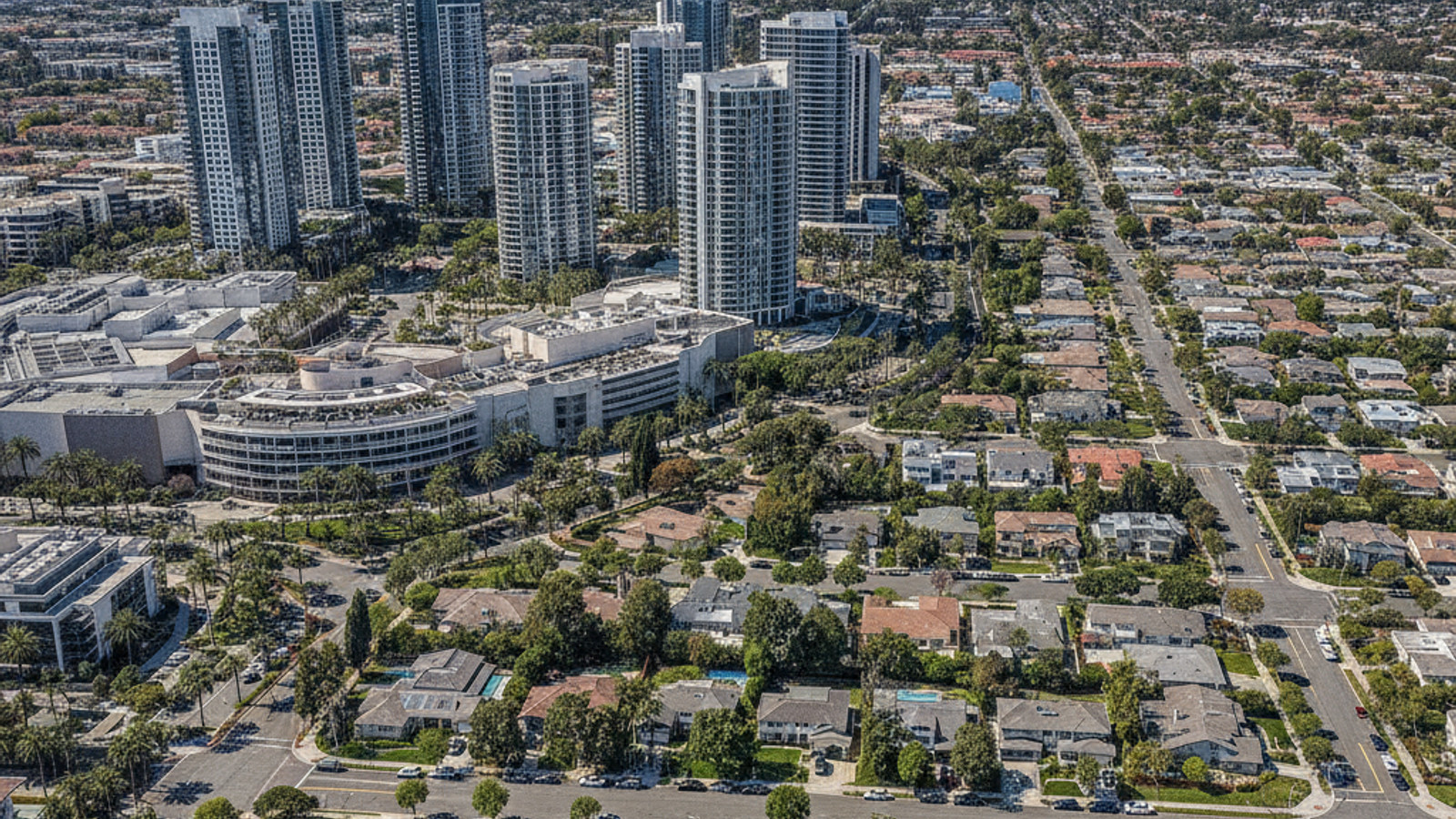
The median sale price when you sell your home in University City sits around $895,000 as of mid-2026. That number tells you something, but not everything - because the local housing inventory runs the full spectrum, from high-rise condos near the UTC mall to detached single-family houses further south, and those two categories don't price the same way.
Buyers in this part of San Diego are watching interest rates and tracking inventory closely. With roughly 72 homes available on the market right now, they have options. A property that seems overpriced for its condition or location gets dismissed fast - often before anyone even schedules a showing. Getting your asking price right comes down to reading recent sales data accurately and understanding how buyers actually search for homes online.
Current Real Estate Market Conditions in University City
As of mid-2026, homes in University City are moving with a median of 24 days on the market. About 95 homes sold in the area over the last reporting period. The average sale-to-list price ratio is running at roughly 98.5%, so most homes are closing very close to their asking price - and about 23.1% are selling above it. That last number matters: well-positioned homes are still drawing multiple offers.
This isn't a market where you can afford to be sloppy with your opening number.
Recent Sale Prices by Property Type
The $895,000 median is a blended figure across all property types. Pull out just the condos and that number drops - sources generally show the condo-heavy figures running between $807,000 and $830,000. Detached single-family homes are a different story, typically landing near $1.1 million to $1.2 million depending on lot size and where exactly in the neighborhood the house sits.
The practical takeaway: compare your home against its own property type, not the neighborhood-wide median. If you're selling a condo and benchmarking against single-family sales, you'll price yourself into trouble.
Buyer Demand and Inventory Levels
Seventy-two active listings gives buyers enough to choose from, but inventory is still constrained. These buyers come in prepared - they've already reviewed comparable sales before they walk through your door.
Once a home drifts past that 24 to 45-day window without a contract, the psychology shifts. Buyers stop wondering what's special about it and start wondering what's wrong with it. Watching how fast similar homes are moving is the clearest signal you have of where demand actually sits right now.
How to Set the Asking Price for Your Home
Setting an asking price means two things: reviewing what buyers have actually paid recently, and understanding how they use search filters on platforms like Zillow and Redfin. Both matter.
Base your number on closed transactions in your immediate area - not active listings. Active listings only tell you what other sellers are hoping to get. Closed sales tell you what buyers were willing to pay. Those are very different things.
Using a Comparative Market Analysis
A Comparative Market Analysis (CMA) measures your home against similar properties that have recently sold in University City - same property type, comparable square footage, similar bed and bath counts, and close enough in location that the comparison actually holds up.
Use sales from the last three to six months. Older data may not reflect where interest rates are today or how inventory levels have shifted since then, and that can skew your number in either direction.
Setting the Price Below Search Portal Brackets
Buyers search with round-number filters. Someone with a $900,000 budget sets their maximum at $900,000 - they never see a listing at $905,000. Pricing at $899,000 instead keeps your home in front of that entire buyer pool.
It sounds like a small detail. It isn't. That difference in online visibility translates directly into foot traffic, and foot traffic is what produces offers.
Factoring in Property Condition and Upgrades
At the top of the University City market, buyers expect a certain level of finish. If your home needs a new roof, updated plumbing, or cosmetic work, the asking price needs to reflect those future costs - not ignore them.
Recent improvements are the other side of that equation. A remodeled kitchen or new HVAC system can support a higher price, but you have to document those upgrades and run them through your comparable analysis to show buyers what they're getting.
Common Mistakes When Deciding on a Price
The most common mistake is pricing high to "leave room for negotiation." The logic sounds reasonable. It doesn't work. Buyers today have the same access to local sales data you do, and they'll simply skip over a listing that reads as overpriced.
The first two weeks on the market are your highest-traffic window. Price too high and you burn through that window with minimal showings. After that, the property starts to go stale - and once a listing goes stale, you're managing a different, harder problem.
The Risks of Pricing Too High
An inflated price shrinks your buyer pool and extends your days on market. When buyers see a home sitting at 60 days in a neighborhood where the median is 24, they don't assume you're holding out for the right offer - they assume there's something wrong, and their opening bid reflects that assumption.
There's also the appraisal problem. Even if you find a buyer willing to pay above market, their lender won't approve the mortgage if the property doesn't appraise for the contract price. That sends you back to renegotiate or back to the market entirely.
Chasing the Market Downward
Small, incremental price cuts send a specific message to buyers: the seller is getting nervous, but not nervous enough to be realistic. That's not a message you want to send.
If a price adjustment is necessary, make it once and make it meaningful. A real reduction moves your home into a new search bracket and puts it in front of buyers who previously had no reason to look at it. A series of $10,000 trims just documents your hesitation.
Why Automated Valuation Models Fall Short
National portals generate instant estimates using Automated Valuation Models (AVMs). They're useful as a rough orientation, but they can't account for street-level specifics - whether your home backs up to a busy road, or whether you put premium flooring in last year.
Relying on an AVM as your pricing anchor is how you end up either underpricing a genuinely upgraded property or overpricing one with real problems, then watching it sit.
Creating a Custom Plan for Your House
A tailored pricing plan looks at the actual condition of your specific property alongside current buyer sentiment in San Diego - not what an algorithm infers from tax records. That's the part an online portal simply can't do.
Working from precise local data - including that current 98.5% average sale-to-list ratio - gives you a defensible number, one that's competitive enough to attract offers and accurate enough to get through appraisal. The goal is a price that reflects what active buyers are willing to pay right now, not what the market looked like six months ago.
Frequently Asked Questions About Pricing in University City
How much of a premium does proximity to UCSD add when pricing a condo in University City?
It depends on the specific complex and current demand. Condos in the area generally sell between $807,000 and $830,000, and units closer to the campus or the UTC mall tend to see strong interest. The most reliable way to gauge the value of your specific location is to review recent sales in your own building.
Should I price my University City home slightly below market value to trigger a bidding war?
Yes - pricing slightly below market can pull in more buyers and generate multiple offers. With about 23.1% of homes in University City currently selling above list price, a competitive opening price often produces a stronger final number than a conservative one.
How does the local academic and tech hiring calendar impact the best time to list for top dollar in University City?
Timing can influence buyer traffic, but overall market conditions are what determine your final price. Homes in the area are currently selling in a median of 24 days regardless of season. Pricing accurately based on recent comparable sales will do more for your outcome than trying to time the academic calendar.
What happens if I initially price my South UC single-family home too high for the current market?
The home will likely sit longer than the neighborhood median of 24 days. Buyers tend to pass over overpriced properties, which eventually forces price reductions - and a stale listing signals to buyers that there's room to push with a lower offer.
Which specific home renovations justify raising my asking price in the University City San Diego market?
Remodeled kitchens, updated bathrooms, and new HVAC systems generally support a higher price. The right way to quantify that is to compare your home against recently sold properties with similar improvements and see what premium buyers actually paid for those upgrades in the current market.
As a buyer, how much under the asking price can I realistically offer for a UTC area townhome without my offer being ignored?
It depends on how long the home has been listed and what condition it's in. With the average sale-to-list ratio in University City running at roughly 98.5%, most homes are closing very close to asking. On a newly listed property, a significantly below-asking offer is likely to be rejected outright.
Check out this article next