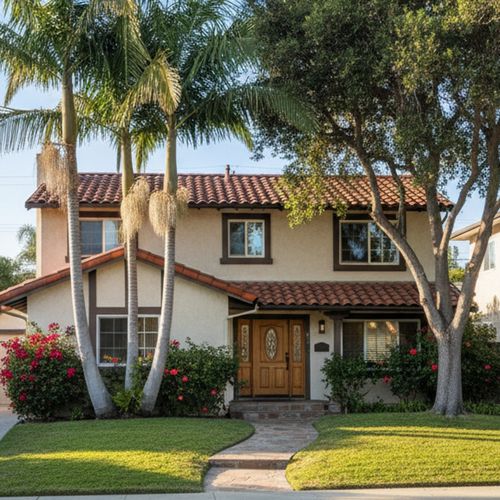
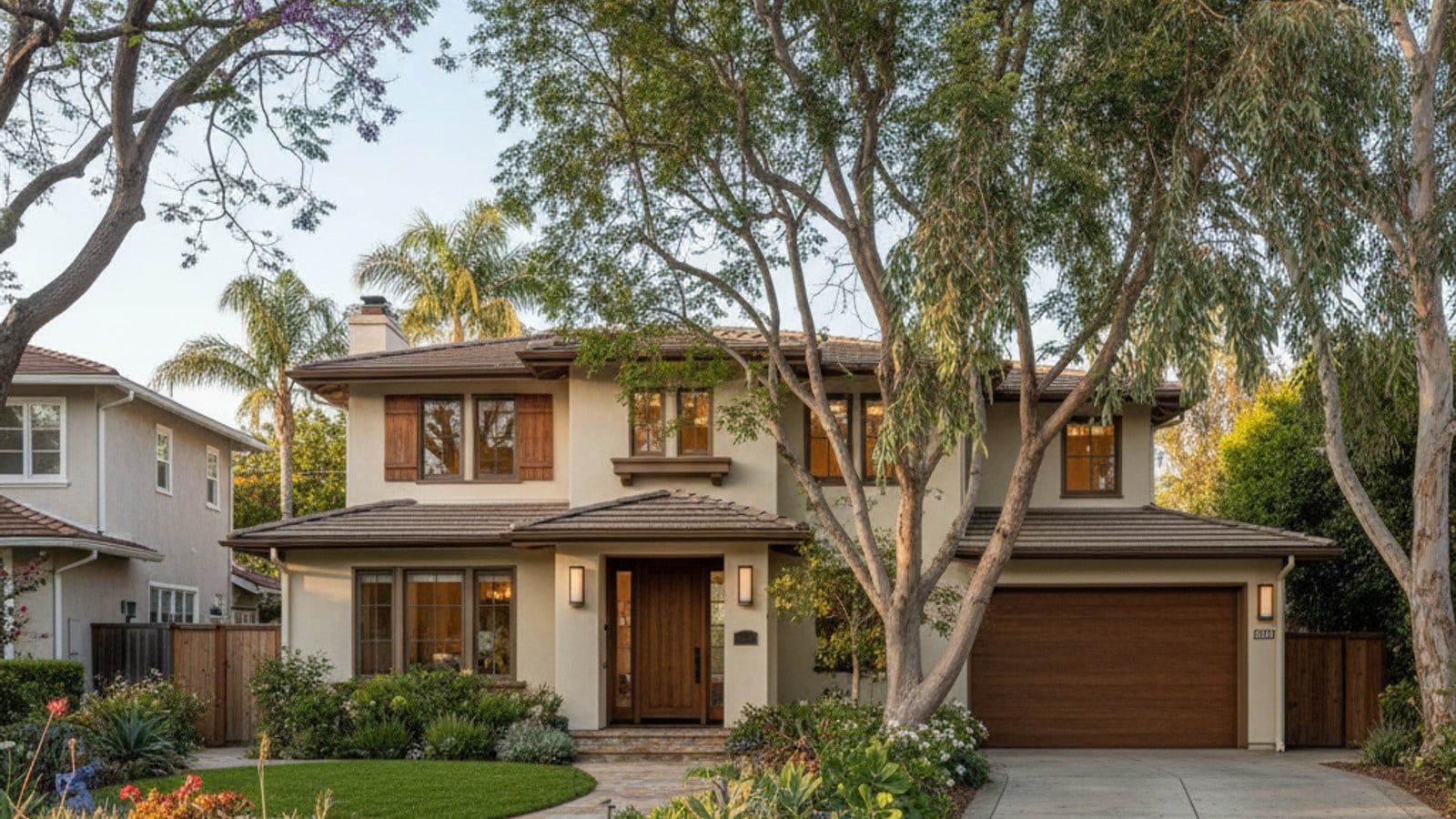
Many residents ask, "How do I sell my home in University City, San Diego?" Homeowners in the 92122 zip code have two primary paths when it comes time to list their property. You can hire a local real estate agent to market the house on the open MLS, or you can request a cash offer to skip the traditional showing process.
Both approaches require a clear understanding of what buyers are currently paying for properties in this specific part of San Diego, CA. Often referred to locally as UTC, this area features a distinct mix of detached houses, townhomes, and condominiums. Setting the right price from day one establishes the tone for the entire transaction.
Real Estate Trends Shaping the 92122 Zip Code
The median home price across all property types in this neighborhood sits around $807,000 as of May 2026. That blended number includes a large volume of attached condos and townhouses that trade frequently near the university campus. For detached single-family homes with private yards, the median sale price remains much higher, hovering closer to $1,100,000.
Properties currently average about 45 days on market before securing a buyer. This timeline gives sellers a realistic window for planning their move and coordinating the transition to a new residence. Homes priced accurately based on their condition and location tend to secure offers faster than those testing the upper limits of the pricing spectrum.
The inventory mix in this area consistently attracts buyers looking for proximity to major Southern California employment centers. Local buyers respond well to listings that highlight clear property boundaries, updated mechanical systems, and well-maintained exteriors. Understanding these baseline market conditions helps homeowners evaluate incoming offers with confidence.
Pricing Your Property to Attract Buyers
Automated online valuations often miss the nuances that dictate market value down to the street level. A standard market report from an algorithm cannot tell if your house backs up to a busy road or features a premium canyon view. Reviewing comparable sales in your immediate neighborhood provides a much more accurate baseline for your listing.
A local listing agent evaluates your property's specific condition, lot size, and recent upgrades to determine an accurate sale price. They pull data from homes that share your exact floor plan or lot characteristics, focusing on transactions that closed within the last 30 to 45 days. This comparative approach ensures your asking price aligns with what current buyers are willing to finance through a bank.
Overpricing a house often leads to extended days on the market and eventual price reductions. Buyers track how long a home has been available, and a stale listing can prompt lower offers than the property might have received in its first week. Pricing slightly below or exactly at market value typically generates more foot traffic and stronger initial interest.
Highlighting Local Amenities in Your Listing Description
Buyers moving to this part of San Diego, CA are usually looking for specific geographic advantages. The area serves as a major hub for education, healthcare, and retail, which drives consistent demand for housing. Your listing description should clearly state how close the property is to these primary community anchors.
Highlighting commute options and daily conveniences helps buyers visualize living in the space. A strong listing points out the practical benefits of the location, such as transit access and nearby shopping centers.
Healthcare and Education: Mention the exact distance to UC San Diego and Jacobs Medical Center, as many buyers work or study at these institutions.
Retail and Entertainment: Note the easy access to Westfield UTC mall for shopping, dining, and daily errands.
Transit and Commuting: Highlight the proximity to I-5 and I-805, along with the convenience of the UC San Diego Blue Line trolley extension that runs directly to downtown.
Parks and Schools: Point out nearby San Diego Unified School District campuses and outdoor recreation spots like Rose Canyon Open Space Park.
Deciding Between Repairs and an As-Is Sale
Many sellers assume they need to completely renovate their kitchen or bathrooms before putting a house on the market. In reality, large-scale remodels rarely offer a dollar-for-dollar return on investment at the closing table. Simple cosmetic updates like fresh interior paint, new cabinet hardware, and professional landscaping often improve the final sale price without requiring a massive budget.
Knowing what not to fix is just as important as knowing what to repair. Replacing older but fully functional HVAC systems or installing luxury flooring might drain your savings while adding minimal value to the appraisal. A listing agent can help identify which minor repairs will satisfy standard buyer requests and which projects are a waste of money.
Selling the property as-is presents a practical alternative for homeowners who want to avoid the hassle of coordinating contractors. Buyers looking for a project or investors aiming to flip the home will take on the property in its current condition. This route usually results in a lower sale price, but it saves the seller considerable time and upfront capital.
Getting a Fast Cash Offer for Your Property
Selling directly to cash buyers or real estate investors offers a streamlined path to closing. These transactions remove the need for public open houses, professional staging, and extensive marketing campaigns. Because the buyer does not rely on a bank loan, you also eliminate the risk of the deal falling through due to financing contingencies.
A cash sale typically moves from an accepted offer to a finalized closing within two to three weeks. This timeline appeals to homeowners dealing with a sudden relocation, an inherited property, or a desire for increased privacy during the sale. You choose the closing date that works best for your moving schedule.
While a fast cash sale provides convenience, the net profit is often different than a traditional open-market transaction. Cash buyers factor in their own holding costs and future renovation plans when making an offer, which usually means the initial bid is below retail market value. Sellers should weigh this lower price against the savings gained from avoiding real estate agent commissions and extended carrying costs.
Frequently Asked Questions
What is the best time of year to sell a house in San Diego, CA?
The spring and early summer months traditionally bring the highest volume of buyers to the local market. Properties listed between March and June often see increased foot traffic as people attempt to move before the new school year begins. However, Southern California benefits from mild weather year-round, making off-season sales entirely practical for properly priced homes.
How much is the documentary transfer tax in San Diego County?
The county charges a documentary transfer tax of $1.10 per $1,000 of the property's sale price. For a home selling at $800,000, this tax amounts to $880 due at closing. It is customary in this region for the seller to pay this fee, though terms can be negotiated in the purchase agreement.
What should I look for in a local real estate agent?
You want a professional who has closed multiple transactions specifically within the 92122 zip code over the past year. They should provide a clear, data-backed pricing strategy rather than just agreeing to your preferred listing price. Ask for examples of their recent marketing materials to see how they present properties to the public.
Check out this article next