University City occupies a central position within the San Diego metropolitan area, often referred to as the Golden Triangle. Bounded by three major freeways, this community offers immediate access to major employment centers in Sorrento Valley and the coastline of La Jolla, CA. Buyers exploring Living in University City, San Diego, will find a mix of dense retail corridors and quiet residential streets.
The area balances large-scale commercial development with established residential subdivisions. Housing options range from high-rise condominiums near the retail core to single-family homes built in the 1970s. Understanding the layout of this 92122 ZIP code helps buyers identify which section aligns with their budget and daily commute.
Buyers looking at this submarket should note the distinct difference between the northern and southern halves of the neighborhood. The physical environment shifts from busy transit hubs to canyon-adjacent cul-de-sacs as you move south from the main shopping district.
Geography and Neighborhood Boundaries
The neighborhood borders are defined by Interstate 5 to the west, Interstate 805 to the east, and State Route 52 to the south. This triangular footprint creates distinct entry and exit points for daily drivers. The northern edge blends directly into the campus environment of the University of California, San Diego.
Locals divide the area into two main sections: the commercial University Town Center (UTC) area and the broader University City residential neighborhood. The UTC designation typically refers to the high-density blocks surrounding the Westfield UTC mall. South of Rose Canyon, the landscape shifts to traditional single-family subdivisions with wider streets and lower traffic volumes.
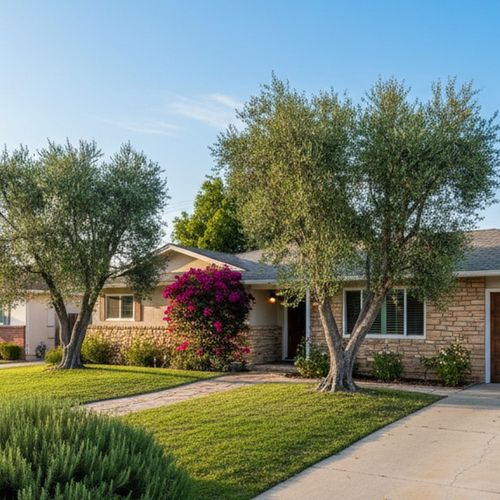
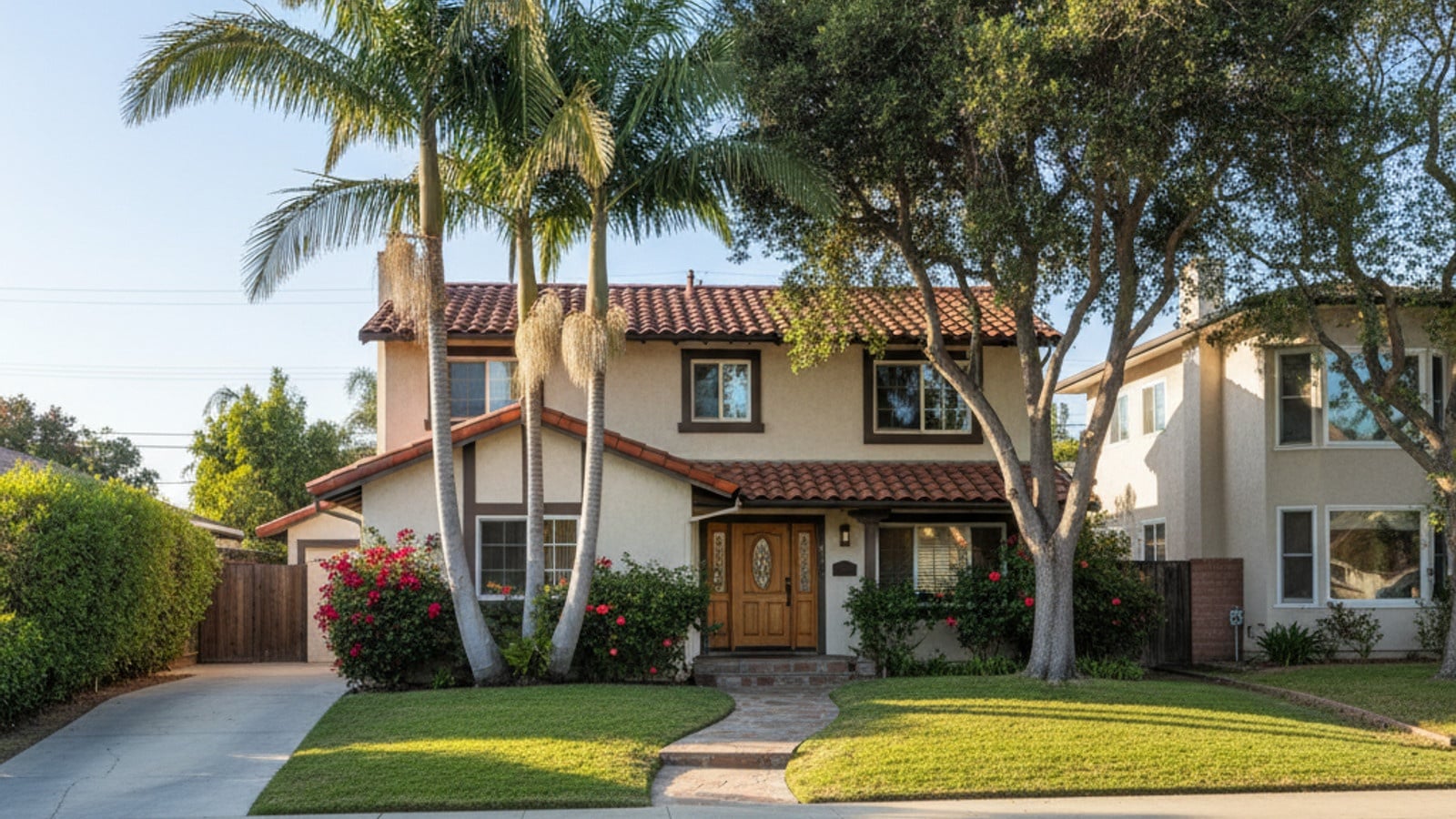
The entire community falls within the 92122 ZIP code. Buyers focusing on the southern portion will encounter more detached homes with private yards. Those looking near the UTC core will primarily see mid-rise and high-rise multi-family buildings.
Real Estate Prices and Property Types
The 2026 median home price in this part of San Diego, CA, ranges from $800,000 for attached units to around $1,100,000 for detached single-family homes. Prices fluctuate based on proximity to the canyon rims and the level of interior updates. Homes with unobstructed views of Rose Canyon command a premium over standard interior-tract lots.
The housing inventory features a clear split between multi-family complexes and traditional houses. Condominiums and townhomes dominate the northern half near the retail center. Buyers searching in the southern half will find single-family homes built largely between the 1960s and 1980s.
Buyers purchasing attached units should factor monthly homeowners association (HOA) dues into their carrying costs. These fees cover exterior maintenance, roof repairs, and shared amenities like community pools. Buyers should review the HOA reserve study to understand the financial health of the complex before writing an offer.
Commuting and Public Transit Options
Drivers in this neighborhood can reach downtown San Diego, CA, in about 20 minutes outside of peak traffic hours. The convergence of Interstate 5, Interstate 805, and State Route 52 provides multiple routes to major employment hubs. Commuters heading to Sorrento Valley or the biotech corridor often use local surface streets like Genesee Avenue to bypass freeway congestion.
Public transit access expanded with the completion of the UC San Diego Blue Line trolley extension. This light rail service connects the neighborhood directly to downtown, Old Town, and the border. Several trolley stations sit within the 92122 ZIP code, providing a reliable alternative to driving.
Local bus routes and dedicated university shuttles run frequently along the main thoroughfares. These services connect the residential blocks to the transit centers and the nearby campus. Buyers who prefer to commute without a car should focus their search within walking distance of the trolley stations along Genesee Avenue.
Public Schools Serving the Area
The San Diego Unified School District (SDUSD) manages the public education facilities assigned to this neighborhood. School boundaries depend on specific street addresses, and the district occasionally updates these enrollment zones. Buyers should verify their assigned schools through the SDUSD address lookup tool before finalizing a purchase.
The community contains several neighborhood campuses that sit within the residential subdivisions, allowing some students to walk or bike to class. The primary public schools located within the community include:
Curie Elementary
Doyle Elementary
Spreckels Elementary
Standley Middle School
University City High School
The elementary schools funnel into Standley Middle School before students move on to University City High School. Both of these secondary campuses are located centrally within the neighborhood along Genesee Avenue.
Parks, Recreation Centers, and Shopping
Rose Canyon Open Space Park runs directly through the center of the neighborhood, separating the northern and southern residential tracts. This protected area offers miles of unpaved trails for hiking and mountain biking. The topography provides a natural noise buffer and scenic views for the homes built along the canyon rim.
Standley Recreation Center serves as the primary public facility for local residents. The complex includes lighted tennis courts, multi-purpose athletic fields, and a community swimming pool. The adjacent park space hosts neighborhood events and outdoor summer concerts.
Retail options are concentrated in the northern section around Westfield UTC, a large open-air shopping mall. The surrounding commercial plazas feature major grocery chains like Whole Foods Market and Vons. Residents can find pharmacies, banks, and daily services clustered along La Jolla Village Drive and Governor Drive.
Proximity to Campus and Medical Facilities
The University of California, San Diego (UC San Diego) sits immediately north of the neighborhood boundary. The physical distance from the residential streets to the main campus is less than two miles. This proximity drives consistent demand for rental housing, particularly in the apartment complexes and condominium buildings near the university.
The area also houses a major concentration of healthcare and research institutions. UC San Diego Health operates a large medical campus on the eastern edge of the university grounds. Several specialized clinics and biotech research facilities are located just across Interstate 5 in neighboring La Jolla, CA.
Buyers evaluating the rental market will find strong historical occupancy rates due to the nearby institutions. Investors often target the multi-family units in the northern half of the ZIP code. Owner-occupants tend to favor the quieter blocks south of Rose Canyon, where the daily traffic from the university and hospitals is less noticeable.
Frequently Asked Questions
Is University City a walkable neighborhood?
The northern section near Westfield UTC features dense walkability, with grocery stores, restaurants, and trolley stations clustered together. The southern half is more car-dependent, featuring traditional suburban street layouts with fewer commercial hubs. Buyers prioritizing foot travel should look near La Jolla Village Drive or Genesee Avenue.
Is University City the same as UTC?
University City is the official name for the entire 92122 ZIP code, while UTC (University Town Center) refers specifically to the commercial and high-density residential area in the northern half. Locals use UTC to describe the shopping mall and surrounding high-rises, reserving University City for the broader community.
Are there homeowners associations in University City?
Yes, HOAs are standard in the condominium and townhouse developments located in the northern half of the neighborhood. These monthly fees vary widely depending on the building's age and amenity package. The older single-family homes south of Rose Canyon typically do not have homeowners associations.
Check out this article next