
The median home price across University City sits around $800,000 in early 2026, though that number shifts depending on the property type. Known locally as the Golden Triangle, this area forms a wedge between Interstate 5, Interstate 805, and State Route 52.
Buyers looking at the best neighborhoods in University City, San Diego, will find a market split into two distinct sections. The northern end centers on dense residential complexes and commercial hubs, while the southern end features older ranch-style homes on individual lots.
Recent extensions to the Mid-Coast Trolley Blue Line have changed how residents move through the area. You can now reach downtown San Diego, CA, or the University of California, San Diego campus without getting on the freeway.
Buyers evaluating the area often compare the convenience of attached living with the space of a detached home. A local real estate professional can help clarify which property type aligns with your specific financial goals.
The University City Real Estate Landscape
Most buyers start their search by looking at the price gap between attached units and detached houses. Detached single-family homes in the area frequently exceed $1,100,000, while attached condos offer a lower entry point.
The local housing inventory consists mostly of attached properties in the north and detached homes in the south. Buyers should narrow their focus based on whether they want a walkable commercial environment or a traditional suburban street.
The neighborhood sits just east of La Jolla, CA, sharing many of the same coastal breezes without the immediate beachfront price tags. The local terrain includes several natural canyons that break up the residential tracts and provide scenic views.
Inventory levels fluctuate throughout the year, with a noticeable peak in new listings during the spring months. You should monitor the days on market for your target property type to gauge the current pace of sales.
The Golden Triangle Boundaries
The physical borders of University City dictate its distinct layout and traffic flow. The converging freeways create a literal triangle that funnels vehicles toward major employment centers.
This geographic triangle provides multiple access points for commuters heading north to Los Angeles, CA, or south to the international border. The highway infrastructure forms a clear boundary that separates the neighborhood from adjacent communities like Clairemont, CA.
Living within these boundaries puts residents close to the biotech and research sectors in neighboring Sorrento Valley, CA. The location reduces commute times for those working in the local science and medical fields.
North UC Condos and Townhomes
Condominium prices in the northern section of University City typically range from $600,000 to $900,000. This area clusters around Nobel Drive and Regents Road, directly adjacent to the UC San Diego campus.
The property types here consist primarily of multi-story condo buildings, townhomes, and high-density apartments. The layout favors buyers who want to live near major retail centers and major employment hubs.
Many of these condo complexes feature underground parking and controlled access gates. Buyers should verify the parking space allocations, as street parking near the university often fills up quickly during the academic year.
The proximity to the university means these properties attract buyers looking to live near the campus. The buildings often house a mix of students, faculty, and hospital staff.
Evaluating Monthly HOA Fees
Buyers should review the monthly homeowners association dues before making an offer on an attached property. HOA fees in North UC vary widely, often running from $300 to over $600 per month.
These monthly dues often cover exterior maintenance, water, and access to shared pools or fitness centers. Lenders must include these fees in your debt-to-income ratio during the underwriting process.
You should request the HOA reserve study to see how much money the association has set aside for future repairs. A well-funded reserve account reduces the likelihood of sudden special assessments for roof replacements or plumbing upgrades.
South UC Single-Family Homes
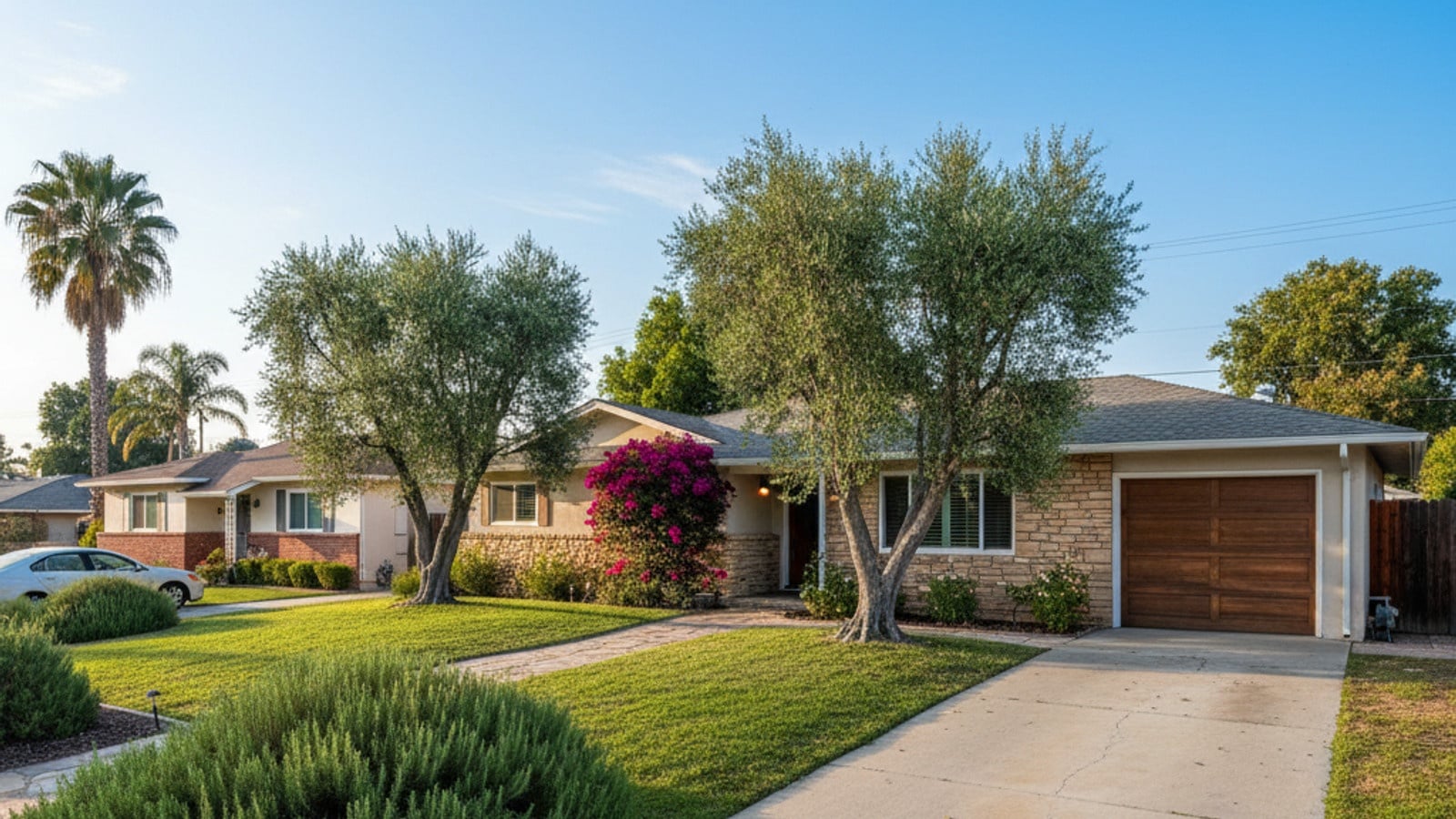
Detached homes in the southern half of University City frequently sell for $1,200,000 or more in the 2026 market. This subdivision sits south of Rose Canyon, with Governor Drive serving as the main thoroughfare.
The lot sizes in this southern tract often exceed 7,000 square feet, providing ample room for home additions or accessory dwelling units. Many homeowners have updated these mid-century properties with modern kitchens and energy-efficient windows.
The housing stock here consists mostly of 1960s and 1970s ranch-style homes on larger individual lots. Buyers looking at this section of the neighborhood will find several distinct features:
Single-story floor plans with attached two-car garages.
Private, fenced backyards suitable for outdoor entertaining.
Wider residential streets with mature landscaping.
Access to Parks and Schools
The southern neighborhood layout includes multiple outdoor spaces, including the Standley Recreation Center. Residents also have direct access to the trails within Rose Canyon Open Space Park.
The local recreation center hosts community sports leagues and provides public tennis courts. The nearby canyon trails offer miles of unpaved paths for trail runners and mountain bikers.
Properties in this area fall within the San Diego Unified School District boundaries. Many homes sit within a short distance of local elementary schools and community athletic fields.
Getting Around San Diego from University City
A trolley ride from the UTC Transit Center to downtown San Diego takes approximately 40 to 45 minutes on the Blue Line. This light rail extension provides a direct alternative to driving on Interstate 5 during morning and evening rush hours.
Drivers can use State Route 52 to reach neighboring Clairemont, CA, or head north on Interstate 805 toward Sorrento Valley. Commute times to local medical centers, including UC San Diego Health, generally stay under 15 minutes by car.
The trolley runs every 15 minutes during peak travel times, making it a reliable option for daily commuters. The transit center also includes a large parking structure where riders can leave their vehicles for the day.
Dedicated bike lanes along major roads provide another option for short trips within the neighborhood. The city has continued to expand these protected lanes to improve safety for cyclists.
The UTC Transit Center Hub
The transit center functions as the primary transportation hub for the northern half of the neighborhood. It connects multiple local bus routes with the regional trolley system.
Bus routes connect the transit hub to the surrounding residential streets and commercial centers. The integration of bus and trolley services creates a public transit network for the entire neighborhood.
Buyers who commute to the downtown area or the university campus often prioritize homes near the trolley stops. Walking to the station eliminates the need to pay for daily parking at major employment centers.
Local Amenities and Daily Conveniences
The Westfield UTC mall anchors the retail options in the northern section of the neighborhood. This open-air center includes major department stores, dining options, and a grocery store.
The retail spaces include several fitness centers and boutique workout studios. Movie theaters and entertainment venues provide evening recreation options within walking distance of the northern condo complexes.
Just across the street, the Costa Verde center provides additional daily shopping conveniences. Residents have quick access to several commercial amenities:
Pharmacies and medical clinics for routine healthcare needs.
Local bank branches and automated teller machines.
Casual restaurants and coffee shops clustered along the main corridor.
Public Education Facilities
The area is served by several public schools within the San Diego Unified School District. Older students typically attend Standley Middle School and University City High School.
The school district provides bus transportation for students living beyond a certain radius from their assigned campus. Parents can review the district's website for specific transportation routes and enrollment procedures.
Buyers should verify exact school boundaries with the district before purchasing a home. Attendance zones can shift over time based on enrollment numbers and district rezoning efforts.
Choosing the Right Area for Your Budget
A buyer with an $800,000 budget will likely focus entirely on condos in the north, while a buyer with $1,300,000 can look at detached houses in the south. The price gap between these two subdivisions drives most purchasing decisions in the area.
You should weigh the ongoing cost of HOA dues against the maintenance costs of owning a 50-year-old single-family home. Condos offer predictable exterior maintenance, but detached homes provide more control over your property.
Your timeline for moving can also influence which property type makes the most sense. Condos typically close faster due to fewer inspection contingencies, while older single-family homes may require more extensive evaluations.
Interest rates and loan limits also play a role in determining your purchasing power in this zip code. A mortgage broker can run the exact numbers based on the current rates in the 2026 market.
Working with a Local Agent
A real estate professional can help you review the MLS for current listings in both subdivisions. They can pull historical sales data to show how prices differ across specific streets.
An agent can also explain the local property tax rates and any supplemental assessments tied to specific developments. Understanding the full monthly carrying cost prevents unexpected financial surprises after closing.
Touring properties in both sections will give you a clear sense of the commute and lifestyle differences. You can test the driving times to your workplace from different parts of the neighborhood to see which area works best.
Frequently Asked Questions
Is University City a good place to buy a home?
Yes, the area offers strong proximity to major employers in the biotech and education sectors. Buyers benefit from the expanded trolley line, which provides direct transit to downtown San Diego, CA, without relying on the freeways.
What is the difference between North UC and South UC?
North UC features dense condo complexes, townhomes, and large retail centers near the university. South UC is a traditional suburban subdivision with older ranch-style homes, private yards, and wider residential streets.
What are the HOA fees for condos in University City?
Monthly dues for attached properties in the area usually range from $300 to over $600. These fees depend on the age of the building and the shared amenities, such as community pools or underground parking.
Check out this article next