Purchasing a home in San Diego, CA requires a substantial amount of capital upfront. The median price for a single-family home across the city often keeps renters on the sidelines, even those with steady employment and excellent credit.
Fortunately, state and local funds exist to help first-time buyers fund their purchase. Buyers looking near the UC San Diego campus and the UTC Transit Center can access several distinct programs designed to reduce out-of-pocket costs. Finding the right homebuyer assistance programs in University City, San Diego, CA can lower your initial down payment and cover thousands in closing costs.
Current Real Estate Prices and Property Types
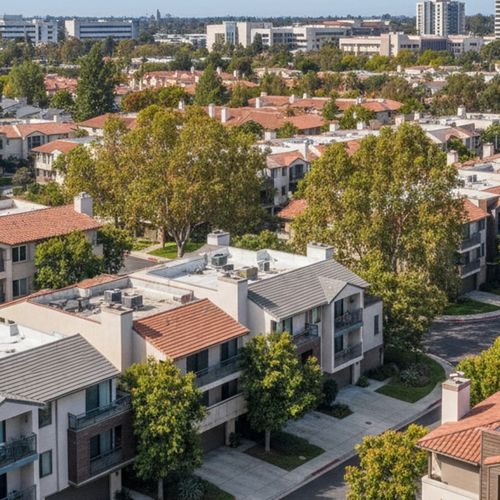
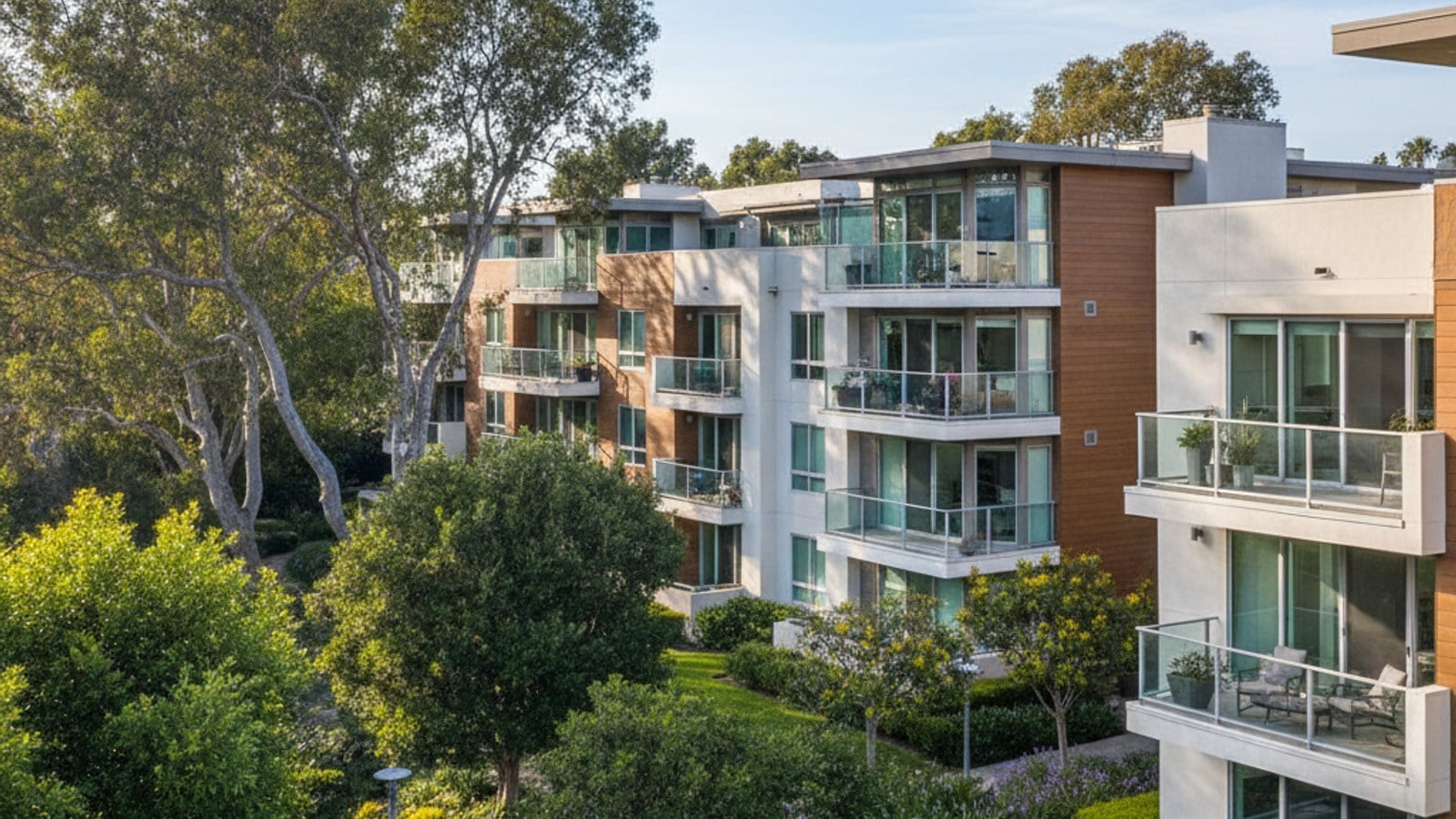
As of Spring 2026, the median listing price in the neighborhood ranges from approximately $744,000 to $807,000. Single-family homes typically price out at the higher end of that spectrum, while condominiums offer a more accessible entry point. Buyers will find a large concentration of condos and townhomes along Genesee Avenue and Regents Road.
These attached properties are often the primary focus for buyers utilizing down payment assistance. When evaluating these units, buyers should factor monthly homeowner association dues into their total budget. Typical HOA fees in this area run between $350 and $450 per month.
Lenders include these monthly HOA dues when calculating your debt-to-income ratio during the underwriting process. Condominium associations also carry their own approval requirements for federal loan products like Federal Housing Administration mortgages. Buyers should verify that a specific condo complex is approved for their loan type before writing an offer.
San Diego Housing Commission Grants and Loans
The San Diego Housing Commission provides up to 17% of the purchase price for down payment assistance. This deferred payment loan helps low- and moderate-income families purchase their primary residence within the city limits. The agency also offers up to 4% of the purchase price, capped at $10,000, for closing cost assistance.
To qualify for the SDHC first-time homebuyer program, your household income must fall at or below 80% of the Area Median Income. The agency updates these income limits annually based on household size. Applicants must supply recent tax returns and pay stubs to verify their earnings meet these thresholds.
The SDHC also enforces purchase price limits for eligible properties. Buyers can purchase an attached home, like a condominium or townhouse, for up to $485,000. For detached single-family homes, the maximum purchase price is $622,250.
California Housing Finance Agency Options
The state of California funds the Dream For All Shared Appreciation Loan program, which provides up to 20% of the purchase price. Buyers can receive a maximum of $150,000 to use toward their down payment or closing costs. Because demand for this funding is intense, the state issues these funds through a randomized lottery system rather than a standard application queue.
Buyers who do not secure lottery funds can utilize the MyHome Assistance Program instead. This state-level deferred loan provides 3% to 3.5% of the purchase price to help cover initial buying costs. The exact percentage depends on the type of first mortgage you secure.
Both of these state programs mandate specific educational steps before closing. Applicants must complete a state-approved homebuyer education course to qualify for the funds. This course teaches buyers about mortgage terms, property taxes, and long-term maintenance costs.
Transit Connections and Neighborhood Amenities
Commuters traveling from this area to downtown San Diego, CA typically spend about 20 to 30 minutes on Interstate 5 during standard traffic conditions. The neighborhood also borders State Route 52, providing a direct eastern route across the county. For those who prefer public transit, the UC San Diego Blue Line trolley operates out of the UTC Transit Center.
The area sits within the boundaries of the San Diego Unified School District. Several elementary and middle school campuses are located directly within the residential blocks. Buyers often review school assignment maps on the district website to confirm which campus corresponds to a specific street address.
Outdoor recreation and retail centers are integrated throughout the local geography. Residents have direct access to the hiking trails at Rose Canyon Open Space Park. The neighborhood is also anchored by Westfield UTC, a major commercial center featuring retail stores, dining, and transit connections.
How to Apply for Local and State Funds
The San Diego Housing Commission and the California Housing Finance Agency do not lend money directly to consumers. Buyers must apply for these funds through an approved participating lender. These loan officers are trained to structure your primary mortgage alongside the secondary assistance loans.
The application process requires thorough financial documentation to prove your income and assets. You will need to provide two years of federal tax returns, recent W-2s, and your latest pay stubs. Your loan officer will use these documents to verify that you fall under the specific income limits for each program.
Every local and state assistance program requires the property to serve as your primary residence. Investment properties and secondary vacation homes do not qualify for these funds. Buyers must plan to live in the home full-time to satisfy the terms of the deferred payment loans.
Common Questions About Local Programs
Can I use multiple homebuyer assistance programs at the same time in San Diego, CA?
Yes, many lenders allow you to layer different assistance programs to maximize your purchasing power. A buyer might combine a state-level MyHome loan with a local grant to cover both the down payment and the closing costs. Your loan officer will determine which programs can be stacked based on your specific mortgage type.
Do I have to pay back the SDHC down payment assistance?
The SDHC issues these funds as a deferred payment loan rather than a traditional grant. You do not make monthly payments on this assistance, but the balance becomes due if you sell the property. The loan also requires repayment if you refinance your primary mortgage or move out of the house.
Check out this article next