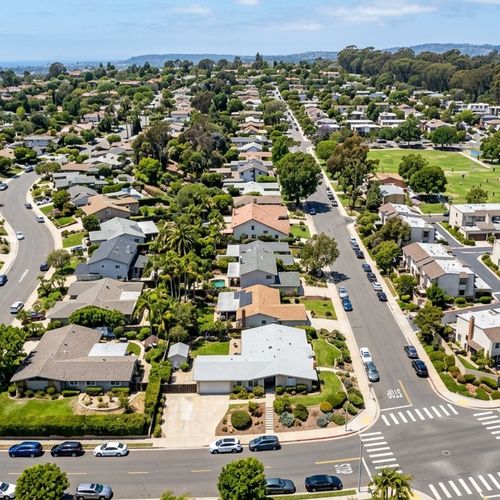
Anyone looking to sell a home in University City, San Diego is entering a market where properties reach a median price of roughly $895,000 and go under contract in about 24 days. That's a fast market with a lot of money on the line - which means the paperwork has to be right. The seller disclosure statement isn't a formality you rush through at the last minute. It's the document both sides lean on when something goes wrong later.
California law requires sellers to detail the condition of their property before closing. Handling seller disclosures in University City, San Diego, CA correctly keeps sellers out of post-sale lawsuits and gives buyers an honest picture of what they're actually getting.
What the Seller Disclosure Statement Does
A seller disclosure statement is a standardized document where the current owner puts in writing every known issue, defect, or hazard affecting the property. Rather than leaving a buyer to discover problems on their own, the seller creates a written record of past repairs and current conditions before money changes hands.
In California, this primary document is called the Transfer Disclosure Statement (TDS). Completing it accurately isn't optional - it's a legal requirement for nearly all residential sales.
Understanding the Transfer Disclosure Statement
The TDS walks sellers through a series of checkboxes covering appliances, structural components, and neighborhood nuisances. You answer based on your current knowledge of the home - nothing more, nothing less.
You don't need to hire an inspector before filling it out. The state requires you to disclose what you already know: the roof leak you patched last winter, the sprinkler zone that stopped working, the water intrusion in the garage you never got around to fixing.
Protecting Buyers and Sellers in San Diego
For buyers, these forms are a roadmap going into the home inspection. If the seller notes a history of plumbing issues, the inspector knows exactly where to look harder.
For sellers, a thorough disclosure is a legal shield. If a buyer purchases the home knowing about a specific defect, they can't easily turn around and sue you for that same issue after closing. That's a meaningful protection in a state with aggressive consumer-side liability laws.
State Laws Governing Property Disclosures
California's real estate disclosure laws are among the most stringent in the country, and sellers sometimes underestimate how broadly they apply. You must provide a completed TDS and, in most transactions, a Seller Property Questionnaire (SPQ) as well - together they give buyers a full picture of the home's condition and history.
These requirements apply even if the buyer plans to tear the house down. You can't waive the disclosure just because the deal is moving fast or the buyer says they don't care about the home's condition.
Mandatory Disclosures and Forms
Beyond the TDS and SPQ, sellers must provide a Natural Hazard Disclosure (NHD) report. That document establishes whether the property sits in a flood zone, fire hazard area, or earthquake fault zone - all of which are real considerations in University City.
Sellers must also disclose specific local issues: whether the property is subject to special tax assessments, for instance, or sits within a designated flight path. Using the standard California Association of Realtors (C.A.R.) forms is the most reliable way to make sure you haven't missed a required disclosure.
Selling Property As-Is
An "as-is" listing means the seller won't make repairs or offer credits. It does not mean the seller gets to skip California's disclosure requirements.
You still complete the TDS. You still list every known problem. Buyers in University City will take that information and decide whether they want the house at the as-is price - or whether they'd rather walk. That's how it's supposed to work.
Liability for Withholding Information
Under California Civil Code Section 1102.13, a seller who willfully or negligently fails to perform a disclosure duty is liable for the buyer's actual damages. Courts can hold you responsible for repair costs on defects you concealed.
Buyers can also bring common-law fraud or negligent misrepresentation claims, and those carry a roughly three-year statute of limitations. In extreme cases, a judge can order the rescission of the entire sale - meaning the transaction gets unwound entirely. That's a painful outcome that proper disclosure would have prevented.
Does California Keep Sale Prices Private?
Some buyers and sellers hear the phrase "non-disclosure state" and assume it has something to do with hiding the property's physical condition. It doesn't. A non-disclosure state is simply one where the final sale price doesn't appear on public county records.
California is not a non-disclosure state. When a home sells in San Diego County, the purchase price is recorded publicly and shows up on local tax rolls and real estate portals.
Private Sale Prices Versus Property Condition
That public pricing data is what allows appraisers and agents to value homes accurately against recent comparable sales. Anyone can look up what a property sold for in 2026.
What they can't see are the TDS and SPQ. Those documents stay private - shared only between the parties to the transaction. The sale price is public record; the disclosure forms are not.
How This Impacts University City Buyers
A buyer can see that a neighboring home sold for $895,000, but they won't see the disclosure forms that helped set that number. If that home sold at a discount because of a cracked foundation, the public record shows only the lower dollar figure - not the reason behind it.
The lesson is straightforward: rely on your own transaction's disclosure documents. Don't assume a nearby sale price reflects a problem-free property. Every house has its own history.
Completing the Real Property Disclosure Form
Filling out the real property disclosure form means walking through your home's history section by section, not scanning the form and checking boxes from memory. The paperwork covers everything from roof age to neighborhood noise.
Pull your maintenance records before you sit down with the form. Rushed or incomplete answers tend to cause problems in escrow - and occasionally bigger problems after closing.
Documenting Structural and System Conditions
The TDS opens by asking which appliances and systems are included in the sale and whether they work. You need to note any known issues with the HVAC, electrical wiring, or plumbing.
Structural integrity gets its own section. If you know the foundation settled or the roof leaks when it rains hard, you state that clearly. There's no polite way to write it that changes your legal obligation - the fact just needs to be on the form.
Natural Hazard Disclosures and Local Fault Lines
University City properties are checked against six standard California NHD zones, including earthquake fault and wildland fire areas. The neighborhood sits near the Rose Canyon fault system, so seismic hazard reporting is a routine part of every local sale.
Canyon-adjacent parcels near Rose Canyon and Marian Bear Park can also carry elevated wildfire and ember exposure risks. Most University City parcels fall outside FEMA Special Flood Hazard Areas, but those localized fire and liquefaction risks still need to be disclosed.
Listing Known Defects and Past Repairs
The forms ask whether you're aware of significant defects or malfunctions in the walls, ceilings, floors, or windows. If you replaced drywall after a pipe burst three years ago, you disclose the past leak and the repair - both.
Disclosing a past repair actually works in your favor. It tells the buyer the home was maintained. Hiding it suggests you might be concealing something worse.
Timelines and Deadlines During Escrow
Getting disclosure documents to the buyer promptly keeps escrow on track. Buyers need time to read through the reports and line up any specialized inspections the disclosures might trigger.
Deliver late, and you hand the buyer an extended window to cancel. Most sellers are better off having this paperwork ready before an offer even comes in.
When Sellers Must Deliver the Forms
California Civil Code Section 1102.3 requires the TDS to be delivered "as soon as practicable before transfer of title." The statute doesn't name a specific number of days.
The standard C.A.R. purchase agreement fills that gap contractually - it requires sellers to deliver the TDS within seven days after offer acceptance. That's the timeline you're working with in a typical University City transaction.
Buyer Cancellation Windows
Once a buyer receives a completed or materially amended TDS after signing the purchase agreement, they have a statutory right to cancel. Under Section 1102.3, that window is three days if the disclosure was delivered in person. If you send the documents by mail or electronic transmission, the buyer gets five days.
Short windows, but real ones. Sellers who deliver late don't shrink those windows - they extend them.
Frequently Asked Questions
Do I have to disclose MCAS Miramar flight path noise when selling a home in University City?
Yes. Sellers must disclose known neighborhood nuisances, and regular military aircraft noise qualifies. The standard California Seller Property Questionnaire (SPQ) includes sections for noise and neighborhood conditions. Disclosing this upfront keeps buyers from claiming they were never told about the flight paths after closing.
If I sell my University City house 'as-is', do I still need to provide standard California seller disclosures?
Yes. An "as-is" sale does not waive your legal obligation to provide a Transfer Disclosure Statement. You still disclose all known material defects. The "as-is" designation only means you won't pay for repairs or offer credits - it has no effect on what you're required to tell the buyer.
What happens if a seller fails to disclose past slab leaks or plumbing issues in an older University City home?
Under California Civil Code Section 1102.13, a seller who willfully or negligently conceals known defects is liable for the buyer's actual damages. Buyers can also bring fraud or negligent misrepresentation claims, which carry a three-year statute of limitations. In severe cases, a judge can order rescission of the sale.
Who pays for the Natural Hazard Disclosure (NHD) report in San Diego and how much does it usually cost?
The seller typically pays for the NHD report in San Diego County, though it's negotiable in the purchase contract. The report is ordered from a third-party disclosure company and confirms whether the home sits in any of the six standard California hazard zones - including the earthquake fault zones near Rose Canyon.
How many days do I have to provide property disclosure documents to the buyer once we open escrow?
California law requires delivery "as soon as practicable before transfer of title" but doesn't set a specific day count. The standard California Association of Realtors purchase agreement requires the TDS within seven days of offer acceptance. Delivering late extends the buyer's statutory right to cancel - not a position you want to be in.
Are there special fire hazard or brush management disclosures required for canyon-rim homes in University City?
Yes. Properties bordering open spaces like Marian Bear Park or Rose Canyon often carry elevated wildfire and ember exposure risks, and those risks must be outlined in the Natural Hazard Disclosure report. Sellers must also disclose if the property is subject to specific local brush management requirements.
Check out this article next