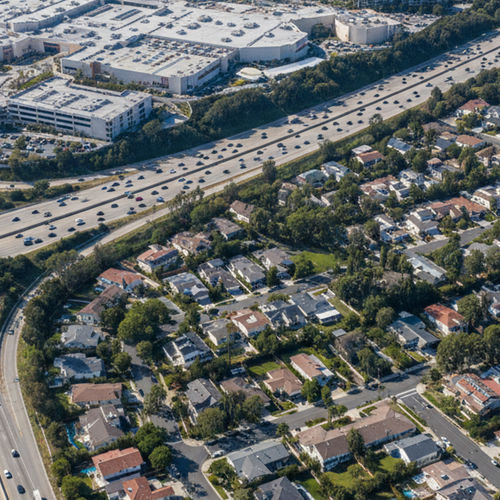
The median home price in San Diego, CA, sits well above the national average, and the local real estate market reflects that premium. Located in the northern part of the city, this area serves as a major hub for biotechnology companies, healthcare networks, and academic institutions. Professionals and students alike target this neighborhood for its immediate access to major employment centers. Buyers and renters looking at this market should expect to pay for the convenience of immediate highway access and proximity to major employers. Planning a move here requires a clear understanding of what you will spend on housing, daily transit, and standard household utilities. The Cost of Living in University City, San Diego, demands careful financial preparation whether you plan to sign a lease or purchase property.
How University City Compares to the Rest of San Diego
San Diego County regularly ranks as one of the most expensive regions in the United States. The local neighborhood aligns closely with these upper-tier regional averages due to its central location. You will find that daily expenses here outpace national baselines across nearly every category.
The presence of the University of California, San Diego (UCSD) and nearby tech campuses drives consistent demand for local housing. This sustained demand keeps both rent and purchase prices elevated compared to neighborhoods further inland or south of the city center. Property owners rarely struggle to find tenants, which keeps vacancy rates low and pricing firm.
Living expenses here extend beyond the monthly rent or mortgage payment. Residents should factor in California's state income tax, local utility rates, and the premium placed on goods and services in a major coastal city. A comprehensive budget helps smooth the transition for anyone relocating from a less expensive state.
Housing Expenses: Renting Apartments vs. Buying Real Estate
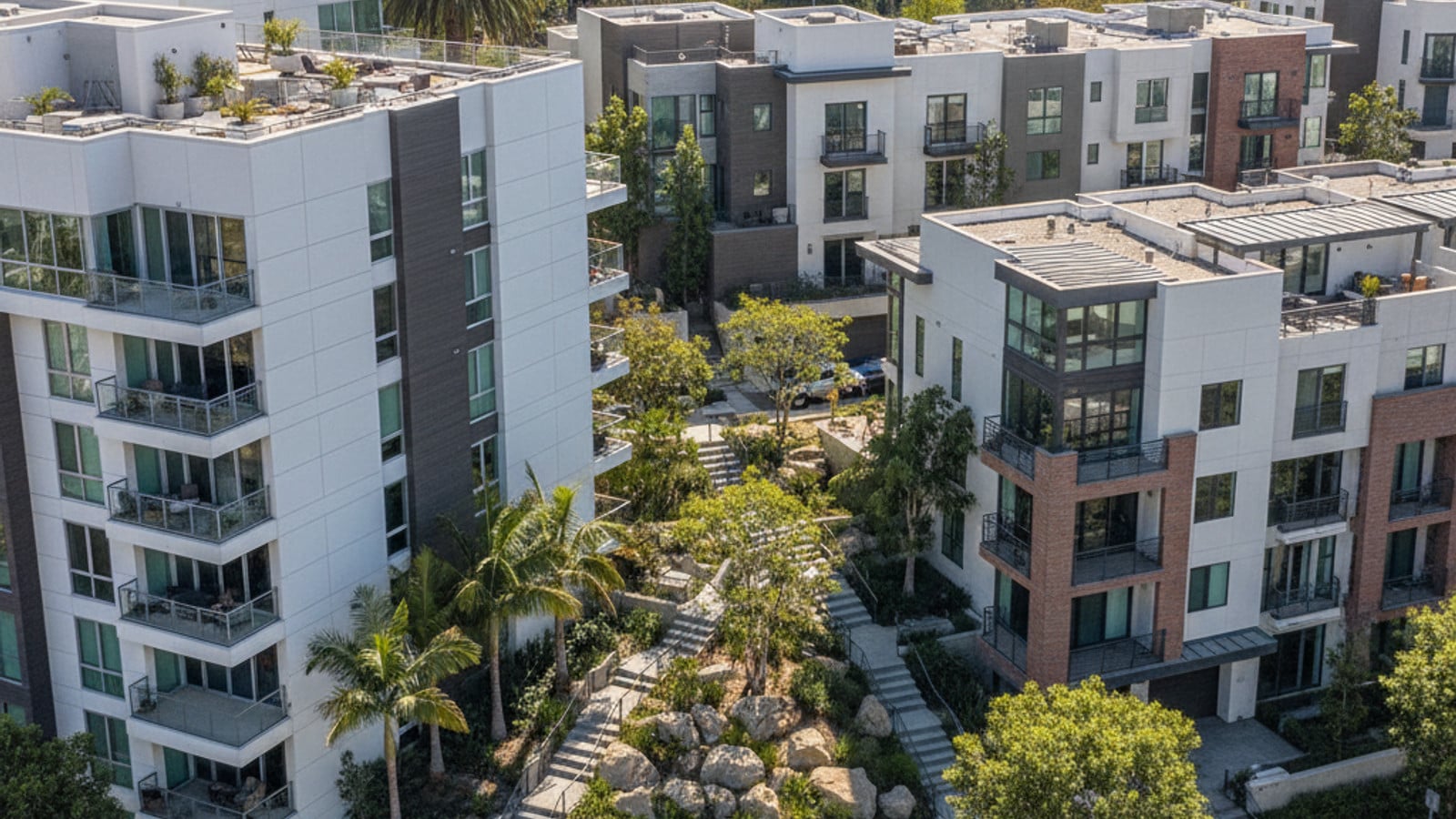
Real estate prices represent the largest portion of any local budget. The housing inventory in this neighborhood ranges from high-density student apartment complexes to luxury townhouses and detached single-family homes. You will encounter a wide variety of architectural styles and property ages as you tour available units.
Buyers entering the market in 2026 will find median sale prices hovering around $807,000 for attached condos and townhomes. Detached single-family homes routinely sell for over $1,000,000, especially those with updated interiors or larger lots. These price points require substantial down payments and strong credit profiles to secure favorable mortgage rates.
Renters face a similarly competitive landscape, with property managers adjusting rates based on proximity to the university and transit lines. You should budget carefully if you plan to live alone, as single-occupancy units carry a noticeable monthly premium. Many renters choose to share larger spaces to keep their individual costs manageable.
Average Rental Rates for Apartments
A standard one-bedroom apartment in this area currently rents for $2,800 to $2,900 per month. These figures apply to standard complexes with basic amenities like community pools and shared fitness centers. Newer developments near the retail centers often charge a premium for upgraded finishes and concierge services.
Two-bedroom units average around $3,700 per month. Renters sharing a space often look for these larger floor plans to split the high monthly housing costs. Three-bedroom apartments exist but turn over less frequently, making them harder to secure during peak summer moving months.
Median Home Prices and Ownership Costs
Purchasing a home involves more than just the listing price and the standard 20% down payment. Buyers should factor homeowner association (HOA) dues into their monthly calculations, as these are attached to nearly all condos and townhomes in the area. Lenders will include these fees when calculating your debt-to-income ratio during the underwriting process.
These monthly HOA fees can range from $300 to over $600, covering exterior maintenance, landscaping, and community insurance. You should review the association's financial health before submitting an offer to avoid unexpected special assessments. Single-family homes without HOAs exist, but they command higher initial purchase prices.
Monthly Utility Bills and Household Services
San Diego Gas & Electric (SDG&E) provides electricity and natural gas to the neighborhood. The region has some of the highest energy rates in the country, which directly impacts monthly household budgets. Residents should plan for seasonal spikes in their bills during the warmer months.
An average household can expect to pay between $150 and $250 per month for electricity and gas. This number fluctuates based on the season, the size of the home, and how often you run the air conditioning during late summer heat waves. Homes with solar panels can offset some of these costs, though buyers should verify if the solar equipment is leased or owned.
Water, sewer, and trash services add another layer to your monthly expenses. Most single-family homeowners pay these directly to the City of San Diego, averaging around $90 to $120 per month. The city bills water usage bi-monthly, which requires careful tracking to avoid surprise expenses.
Renters and condo owners often see water and trash included in their HOA dues or monthly rent, though you should verify this in your lease agreement. High-speed internet service from providers like Spectrum or AT&T generally costs between $60 and $90 per month. Fiber-optic connections are available in many complexes, offering faster speeds for remote workers.
Grocery Store Prices and Food Budgets
Food costs in Southern California run higher than the national baseline, and local prices reflect the cost of regional transportation and labor. A single person should expect to spend between $300 and $500 per month on groceries. This estimate assumes standard cooking habits and minimal reliance on pre-packaged or prepared meals.
Families of four generally see monthly grocery bills ranging from $1,000 to $1,500. Your exact spending will depend on where you choose to shop and your dietary preferences. Buying fresh produce in bulk at local farmers markets can help reduce these weekly totals.
The neighborhood offers multiple supermarket tiers to fit different budgets. Shoppers can choose from several distinct grocery options:
Premium markets like Whole Foods and Bristol Farms offer organic produce and specialty items at higher price points.
Mid-tier stores such as Sprouts Farmers Market and Vons provide standard daily staples and frequent local sales.
Discount retailers like Trader Joe's help keep weekly food costs lower for budget-conscious residents.
Dining out adds up quickly, especially near the retail centers. A standard dinner for two at a mid-range restaurant typically costs between $60 and $100 before tips and drinks. Fast-casual options near the university campus offer more economical choices for quick weekday lunches.
Public Transit and Commuting Expenses
Getting around the area requires either a personal vehicle or a reliance on the local public transit system. The neighborhood features direct access to Interstate 5 and Interstate 805, making it a central point for drivers heading north or south. Commuters traveling to downtown San Diego, CA, generally face a 20-to-30-minute drive during non-peak hours.
Car ownership in California involves specific expenses, including annual registration fees and higher-than-average gas prices. Drivers should budget for insurance premiums that reflect the dense traffic patterns of San Diego County. Regular maintenance costs also apply, given the stop-and-go nature of freeway commuting.
The UC San Diego Blue Line trolley extension has transformed how residents commute to downtown and the border. A standard PRONTO Metropolitan Transit System (MTS) fare costs $2.50 per ride. This light rail system offers a reliable alternative to sitting in freeway traffic during the morning rush.
Frequent riders can purchase a monthly pass for $72, which covers unlimited trips on local buses and the trolley network. Students and university staff often receive discounted or subsidized transit passes through the school. Using public transit for daily commuting can save hundreds of dollars a month in gas and parking fees.
Taxes, Healthcare, and Public Education
California imposes a progressive state income tax that ranks among the highest in the United States. High-earning professionals moving from states with no income tax should consult a financial advisor to understand the impact on their take-home pay. State taxes fund various public services and infrastructure projects across the region.
The combined sales tax rate in San Diego sits at 7.75%, which applies to most non-grocery retail purchases. Property owners must pay property taxes, which average roughly 1% of the assessed home value in California, plus any local voter-approved bonds. The state caps annual property tax increases, providing some long-term predictability for homeowners.
Healthcare access is abundant, with facilities like Jacobs Medical Center located right in the neighborhood. Routine medical costs and insurance premiums align with standard urban California pricing, though out-of-pocket expenses depend entirely on your specific health plan. Many large employers in the area offer comprehensive health packages to offset these costs.
The San Diego Unified School District serves the area, operating campuses like University City High School. Buyers looking at specific public schools should verify current boundary lines, as enrollment zones can shift based on district capacity. Access to these established public schools often factors into the premium home prices seen in the neighborhood.
Frequently Asked Questions
Is University City more expensive than other parts of San Diego?
Yes, housing prices and rent run higher here than in neighborhoods further east or south. The immediate access to major tech employers and the university creates a price premium. You will generally pay less for similar square footage if you look outside this central corridor.
What salary do I need to live comfortably in University City?
A single renter should aim for an annual income of at least $100,000 to cover a $2,800 one-bedroom apartment without exceeding standard budget ratios. If you plan to buy a median-priced home, a household income closer to $180,000 to $200,000 provides a safer margin for mortgage and utility payments. Your exact target depends on your debt obligations and lifestyle choices.
How much does it cost to commute to UC San Diego from University City?
Many residents use the MTS bus routes or the Blue Line trolley, which cost $2.50 for a single ride. Students often receive subsidized transit passes that make these trips free or steeply discounted. If you choose to drive, campus parking permits range from $60 to $100 per month depending on your status.
Check out this article next