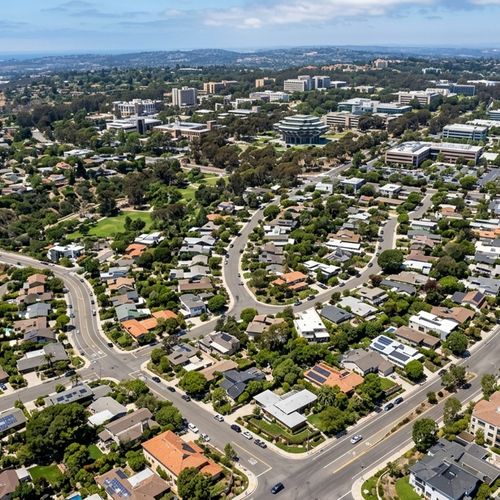
The median sale price for a home in University City, San Diego is currently around $858,700. If you are among the first-time home buyers in University City, San Diego, the down payment is only part of what you need to bring to the table. Closing costs add a substantial amount to the cash required before you get the keys.
These expenses cover the administrative, legal, and lending services required to transfer property ownership. Local customs in San Diego County dictate how many of those fees get split between buyer and seller - and knowing who pays what before you write an offer prevents the kind of last-minute surprises that can derail an escrow.
What Are Closing Costs in California?
Buyers in California typically pay for loan origination, appraisals, and specific title fees to finalize a transaction - all of it separate from the purchase price itself. Shortly after you apply for a mortgage, your lender is required to send you a breakdown of estimated charges. That document is worth reading carefully.
The total depends on your loan type, your lender, and the specific property. Some fees are fixed. Others scale directly with the purchase price or loan amount, which matters a lot when you're buying in a market like University City.
Closing Costs vs. Down Payment
Your down payment is the initial equity you put into the home. It goes directly toward the purchase price and reduces the total amount you borrow.
Closing costs are the service fees required to execute the transaction. That money doesn't build equity - it goes to third parties like escrow companies, appraisers, and the county recorder. Buyers sometimes conflate the two when they're planning their cash reserves, and that's an expensive mistake.
Buyer vs. Seller Expenses
Both parties pay fees in a California real estate transaction. Buyers primarily cover costs tied to securing their mortgage and establishing ownership. Sellers handle a different set - typically deducted from their proceeds - which usually includes agent commissions and county transfer taxes.
How Much Buyers Pay in University City
Buyer closing costs in San Diego County typically range from 1% to 3% of the purchase price. On a median-priced University City home at $858,700, that works out to roughly $8,500 to $25,700.
Whether you're paying cash or financing makes a real difference. Cash buyers avoid lender fees entirely, which keeps their total closer to the lower end of that range. If you're securing a mortgage, plan for somewhere between 2% and 2.5%.
Average Closing Costs as a Percentage of Price
Most local buyers budget around 2%. That covers standard loan origination fees, appraisal charges, and prepaid property taxes without leaving you short. Some sources cite costs up to 2.5% for buyers in the San Diego area - variations in lender points and the specific time of month you close can push the total in either direction.
Why San Diego Area Costs Differ
Real estate customs vary by county across California. San Diego County buyers and sellers follow specific local norms for splitting title and escrow fees that differ from what you'd see in Northern California. That distinction shows up on your settlement statement.
Property values also drive the final dollar amount. Because University City homes often sell in the $850,000 to $1,000,000 range, percentage-based fees result in higher out-of-pocket totals compared to more affordable markets.
Estimating Costs for Typical University City Homes
Recent market data shows University City homes spend a median of 23 days on the market before selling. That's not much time to get organized. Buyers who've already roughed out their closing cost estimates can move quickly when the right property comes up.
Your lender will provide an official Loan Estimate, but you don't have to wait for that to do some early math.
Sample Breakdown by Home Price
A condo or townhome at $600,000 puts buyer closing costs somewhere between $6,000 and $18,000 - with a 2% estimate landing right at $12,000.
A single-family home at $1,000,000 means budgeting between $10,000 and $30,000. If you're financing that amount, plan for at least $20,000 in transaction fees.
How to Calculate Your Own Costs
Multiply your target purchase price by 0.02. That 2% figure covers the most common lender and third-party fees. If you're paying cash, multiply by 0.01 instead - without mortgage origination fees and a lender's title policy, the total drops considerably.
A Breakdown of California Buyer Fees
Escrow fees in San Diego County are customarily split 50/50 between buyer and seller. That's one of several line items you'll see on your final settlement statement, and the remaining costs fall into three main categories: loan charges, title and settlement fees, and prepaid expenses.
Loan and Lender Fees
Lenders charge origination fees to process and underwrite your mortgage - typically between 0.5% and 1% of the total loan amount. You'll also pay for a property appraisal, which the lender requires to confirm the home's value. Appraisals in the San Diego area generally cost a few hundred dollars and are usually paid upfront rather than at closing.
Title Insurance and Escrow Splits
In San Diego County, it's customary for the buyer to pay for the lender's title insurance policy. That policy protects the mortgage company against claims about the property's ownership history - it's not optional if you're financing. The escrow fee covers the neutral third party managing funds and documents throughout the transaction. Because local custom calls for a 50/50 split, you're only on the hook for half of that charge.
Prepaids and Escrow Reserves
Your lender will require you to fund an escrow account for future property taxes and homeowners insurance. Expect to pay the first full year of insurance premiums upfront at closing, plus any property interest that accrues between your closing date and your first mortgage payment. Closing late in the month keeps that last prepaid item small.
Who Pays Closing Costs: Buyer or Seller?
The San Diego County documentary transfer tax rate is $1.10 per $1,000 of the sale price, and local custom puts that on the seller. That's worth knowing when you're sizing up your own cash requirements.
Everything in real estate is technically negotiable, but Southern California has well-established norms for who covers which fees. Sticking to those customs makes your offer more predictable for the seller and avoids unnecessary friction.
Customary Buyer Expenses in San Diego County
Buyers cover all costs tied directly to their financing - the lender's title policy, appraisal fees, credit report charges, and loan origination fees. You also pay your half of the escrow fee, recording fees required by the county to log the new deed, and all prepaid property taxes and insurance premiums.
Customary Seller Expenses in San Diego County
Sellers customarily pay for the owner's title insurance policy, which protects the buyer's equity in the home, plus the other half of the escrow fee. Agent commissions and the county documentary transfer tax come off the seller's proceeds as well. For properties in a homeowners association, sellers often cover the HOA document preparation fees at closing.
How to Lower Your Closing Costs
Local homes are selling at roughly 98% of their list price, which means sellers have decent leverage. That said, there are still ways to reduce your upfront cash requirements - you just have to be deliberate about it. Some buyers also qualify for a closing cost assistance program to help offset these fees.
Seller Concessions and Credits
You can ask the seller for a credit to cover a portion of your closing costs. That conversation usually happens during the initial offer or after a home inspection turns up needed repairs. If the seller agrees, the credit is applied directly to your closing costs at settlement. Loan programs do place limits on how much a seller can contribute, typically capping it at a percentage of the purchase price.
Lender Credits and Shopping Fees
A lender credit lets the mortgage company cover some of your closing costs in exchange for a higher interest rate. It reduces your immediate cash burden, but it increases your monthly payment - so run the numbers before you agree. You should also shop around for the third-party services you're allowed to choose. Your lender will provide a list of those services, which can include things like pest inspections or survey fees, and finding cheaper providers there adds up.
Frequently Asked Questions
What is the average percentage a buyer pays in closing costs for a home in University City, San Diego?
Buyer closing costs in San Diego County typically range from 1% to 3% of the purchase price. Some sources note costs can reach up to 2.5% for standard financed transactions. Cash buyers usually pay closer to 1% because they avoid lender fees.
Are buyers responsible for any specific transfer taxes or Mello-Roos fees when purchasing in University City?
Buyers don't customarily pay the county transfer tax in this area. The San Diego County documentary transfer tax rate is $1.10 per $1,000 of the sale price, and the seller customarily pays that fee. Mello-Roos fees, if applicable to the specific property, become the buyer's responsibility as part of ongoing property taxes.
Is it common for sellers in the University City market to cover buyer closing costs?
It depends on the transaction and market conditions. With local homes selling at roughly 98% of their list price in mid-2026, sellers aren't automatically offering credits. Buyers can still negotiate seller concessions during the offer process or following a home inspection.
How do upfront closing costs differ when buying a single-family home versus an HOA condo near UCSD?
Condo purchases come with additional HOA-related fees at closing. Buyers may need to pay upfront HOA dues, transfer fees, or capitalization fees to the association. Single-family homes without an HOA don't have those line items.
At what exact point in the San Diego escrow process do I need to wire my final cash to close?
You'll wire your final funds to the escrow company just before closing. Escrow will send you the exact figure and wiring instructions a few days before the official closing date. The funds need to clear before the county records the new deed.
What are the most common hidden fees buyers miss when estimating their closing costs in San Diego County?
Prepaid property taxes and insurance are consistently underestimated. Because San Diego County property values are high, prepaying months of taxes and a full year of homeowners insurance requires a substantial amount of cash. Buyers also frequently overlook their 50% share of the escrow fee.
Check out this article next