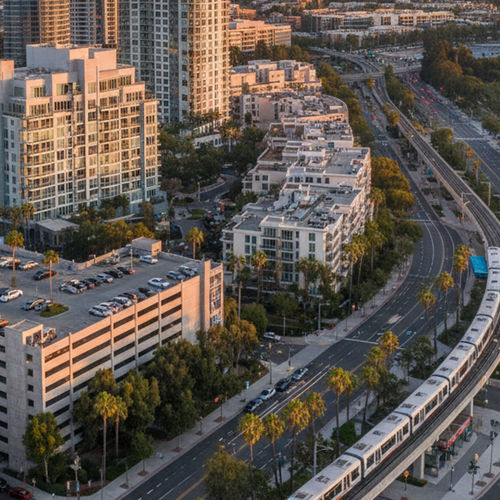
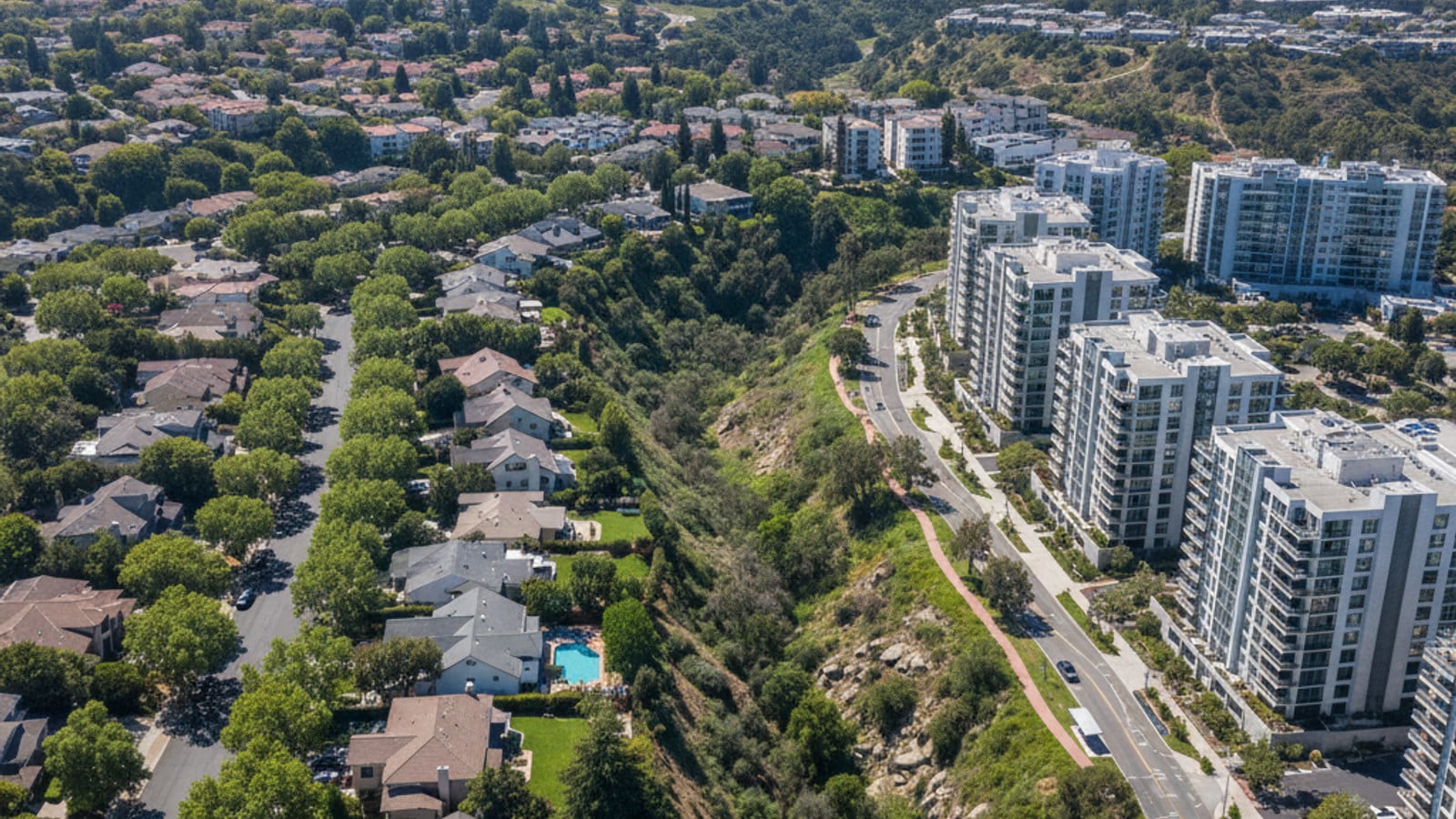
The 92122 zip code sits just east of Interstate 5, creating a specific microclimate that differs from neighboring coastal towns. Buyers looking at properties near the UC San Diego campus or the UTC shopping district often notice distinct temperature shifts compared to inland areas. The local geography features deep canyons and elevated mesas that channel ocean air through the residential streets, creating a natural cooling effect.
Understanding the Weather and Climate in University City, San Diego requires looking at both daily temperature swings and seasonal patterns. The proximity to the Pacific Ocean keeps summer heat in check while preventing extreme winter lows. You will find that this consistent environment directly impacts home designs, utility costs, and outdoor recreation options throughout the year.
Monthly Temperature Averages and Rainfall Patterns
Annual rainfall in this part of Southern California hovers between 9 and 13 inches. Most of this precipitation arrives during the winter months, specifically between December and March, leaving the rest of the year dry and sunny. The local Mediterranean climate, often classified as semi-arid, prompts many homeowners to invest in drought-tolerant landscaping and artificial turf to conserve water.
Summer high temperatures typically range from 75 to 80 degrees Fahrenheit. Winter brings mild conditions, with average daytime highs settling around 65 degrees. Because University City sits on a mesa slightly inland from the ocean, it avoids the dense coastal dampness of La Jolla while staying cooler than neighborhoods just a few miles east like Clairemont or Mira Mesa.
How the Coastal Marine Layer Affects Daily Temperatures
Late spring introduces a specific weather pattern known locally as May Gray and June Gloom. During these months, a thick layer of marine fog rolls in from the Pacific Ocean overnight and settles into the canyons. This natural air conditioning blankets the 92122 zip code in the morning, keeping early daytime temperatures cool and the air slightly moist.
The morning overcast usually burns off by 1:00 PM or 2:00 PM. Once the fog clears, residents see sunny skies and rapid temperature increases for the remainder of the afternoon. Buyers should expect these daily fluctuations when viewing homes during the early summer, as a cloudy morning often turns into a bright, warm afternoon.
This seasonal fog plays a major role in local energy consumption. Because the marine layer blocks the morning sun, residential cooling systems rarely turn on before midday. The natural shade helps keep interior home temperatures comfortable well into the summer season.
Outdoor Amenities and Year-Round Recreation
Mild temperatures allow residents to utilize local parks and trails during every season. The lack of extreme winter weather means outdoor facilities remain open and accessible year-round. This continuous access shapes the daily routines of people living in both the single-family enclaves of South UC and the denser condo developments of the northern UTC area.
The local geography provides several options for outdoor exercise and recreation. Buyers exploring the area will find a mix of canyon trails, structured sports facilities, and nearby coastal reserves. The steady climate means these spaces see consistent use from January through December without the need for off-season closures.
Rose Canyon Open Space Park: This natural area runs through the southern portion of the neighborhood, offering miles of dirt trails for hiking and mountain biking.
Standley Recreation Center: Located centrally along Governor Drive, this facility features open sports fields, tennis courts, and a community swimming pool.
Torrey Pines State Natural Reserve: A short drive north brings residents to expansive ocean views and protected coastal hiking paths.
Home Features and Cooling Systems in the 92122 Area
Property designs in University City, CA reflect the steady, temperate environment. Many single-family homes and condominiums incorporate large patios, decks, and outdoor living areas to maximize usable square footage. The mild winter months also keep seasonal heating costs lower than the national average, making expensive furnace upgrades rare.
Cooling systems vary noticeably depending on the property's age and exact location within the neighborhood. Older single-family homes in South UC often rely on cross-ventilation and afternoon ocean breezes rather than mechanical cooling. Newer condominium towers and apartment buildings in the North UC and UTC sectors almost always include central air conditioning to manage afternoon heat.
Roof styles and building materials also account for the strong year-round sun exposure. Many homeowners install solar panels to take advantage of the clear skies that dominate the late summer and autumn months. The combination of high solar production and low heating demands helps stabilize monthly utility bills.
Commuting and Transit Options Around the UTC Hub
The dry, predictable weather supports active transit options throughout the neighborhood. Residents frequently walk or ride bicycles to the UC San Diego campus and surrounding office parks. Dedicated bike lanes and micromobility paths connect the quieter residential streets directly to the commercial centers without the hazard of frequent rain.
Public transportation infrastructure also benefits from the lack of severe weather delays. The UC San Diego Blue Line trolley extension provides a direct, elevated route connecting the UTC Transit Center to downtown San Diego. Commuters can rely on consistent transit schedules without worrying about snow, ice, or heavy storm disruptions.
For those who drive, the climate minimizes wear and tear on vehicles. Local roads do not require winter salting, and covered parking structures in the UTC area keep cars protected from the intense summer sun. The straightforward driving conditions make reaching the local access roads to Interstate 5 and Interstate 805 simple year-round.
Frequently Asked Questions
Is University City, San Diego a good place to live?
The 92122 zip code offers a central location with immediate access to major employment hubs and educational institutions. Buyers appreciate the varied housing stock, which ranges from mid-century single-family homes to modern high-rise condos. The proximity to Interstate 5 and the Blue Line trolley makes commuting straightforward.
What is the best time of year in University City?
Late summer and early autumn offer the clearest skies and most consistent sunshine. By August and September, the morning marine layer fades, pushing afternoon temperatures into the upper 70s. These months provide ideal conditions for using local hiking trails or visiting the nearby La Jolla beaches.
What type of climate does San Diego have?
The region features a Mediterranean climate, characterized by warm, dry summers and mild, low-rainfall winters. Meteorologists often classify the specific coastal zones as semi-arid due to the low annual precipitation totals. This weather pattern keeps humidity levels manageable while preventing freezing winter temperatures.
Check out this article next