Downsizing usually comes down to a simple trade: you give up square footage you're not really using, and in return you get lower maintenance, lower carrying costs, and more time to actually enjoy living in Southern California. In University City, San Diego, that trade is worth looking at seriously. The University City housing market currently sits at a median home sale price around $859,000, and demand for both single-family properties and attached homes has held steady.
The mechanics of the move - selling a long-held property, buying something smaller, coordinating financing and timelines, and sorting out California's tax rules - take more planning than most people expect. Buyers who want less upkeep tend to focus on condos, townhomes, or smaller single-story houses close to local amenities. Knowing what's actually available and how the state's tax rules work makes the whole process a lot less stressful.
Reasons to Consider a Smaller Property in University City
Cut your square footage in half and your monthly carrying costs follow. Heating and cooling a large house is expensive, and that's before you factor in the ongoing maintenance. Smaller properties typically mean smaller yards too, which can mean eliminating professional landscaping entirely.
Reduced utility bills, lower insurance premiums, and the ability to lock the door and travel without worrying about what's happening to the exterior - those benefits add up faster than most people realize. These aren't abstract lifestyle upgrades. They show up on your bank statement every month.
Lower Maintenance and Upkeep
A condo or townhome shifts most exterior maintenance to a Homeowners Association. You're no longer the one scheduling the roof replacement or repainting the siding - you pay a monthly fee and that work gets handled. Weekends open up, and you stop getting blindsided by large structural repair bills.
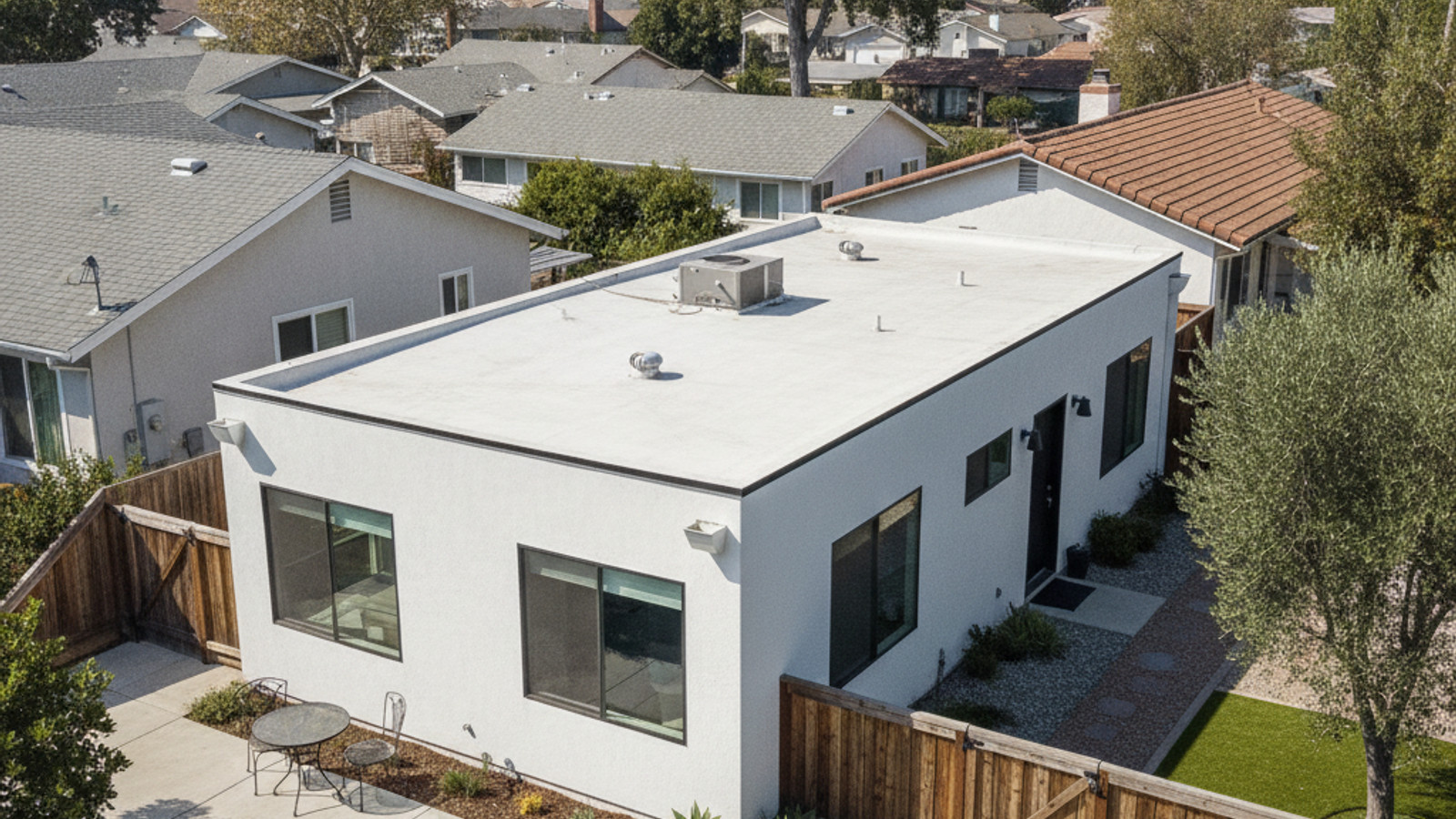
Buyers who prefer detached houses still find that a smaller, single-story property is a different experience from maintaining a large family home. Fewer rooms to clean, a compact patio instead of a sprawling lawn - the daily effort drops considerably. You keep the privacy of a detached home without the workload that used to come with it.
Financial Benefits and Property Taxes
California property taxes operate under Proposition 13, which sets a base rate of 1% of assessed value - typically landing between 1.1% and 1.3% once local voter-approved add-ons are included. Selling a large, appreciated property can trigger capital gains taxes, and moving to a smaller home often releases substantial equity in the process. Before you list, it's worth sitting down with a tax professional to understand your specific capital gains exposure.
California residents aged 55 and older, severely disabled persons, or disaster victims have more flexibility here under Proposition 19. That rule lets eligible homeowners transfer their existing Proposition 13 tax base to a replacement home anywhere in the state, up to three times. If you're moving to a less expensive home in University City, you can potentially hold onto your current, lower property tax rate rather than face a full reassessment to market value.
Popular Low-Maintenance Housing Options
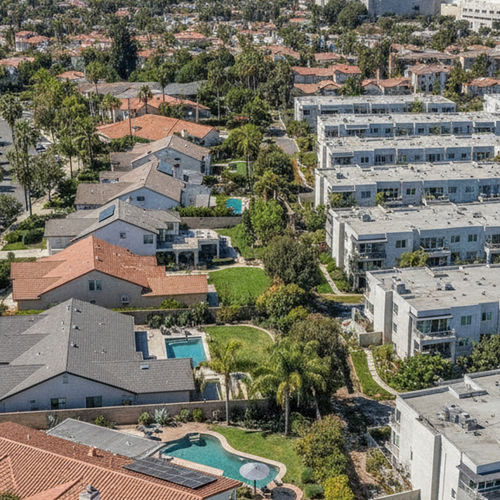
University City offers a real mix of property styles for buyers looking to shed space they don't need. There are roughly 103 homes currently in active inventory, running the range from modern attached units to older single-level houses. What's right for you depends on your budget and how much exterior maintenance you're willing to take on yourself.
The neighborhood has a distinct geographic split: attached housing concentrates in the northern half near the UCSD campus, while the southern portion is mostly traditional detached homes. Each type comes with a different ownership structure and different monthly costs. Running the numbers on recent sales before you start touring helps you set a realistic budget.
Condominiums and Townhomes
Condos in University City list anywhere from $325,000 to $1,650,000, with average sale prices around $1,076,000. Shared amenities - pools, fitness centers, secured parking - come with the territory. For buyers who want a true lock-and-leave setup, these developments make practical sense.
Budget carefully, though. HOA fees for condos and townhomes in the northern half of University City typically run from $300 to over $600 per month. The exact amount depends on the building's age and what amenities are included, so don't treat the list price as the full monthly cost.
Single-Story Single-Family Homes
Buyers who want no shared walls and no HOA board telling them what color to paint their door tend to look at single-story detached homes. You get private outdoor space and direct garage access, and a single-level layout eliminates stairs - which matters a lot to buyers thinking about long-term accessibility, not just right now.
These properties move quickly when they're priced well. Because there's no HOA covering exterior maintenance, you're responsible for your own roof, paint, and landscaping - budget accordingly. The payoff is complete control over the property and no monthly association dues.
Managing Your Real Estate Transaction
Selling your current house and buying a smaller one at the same time is a logistics problem as much as a financial one. University City homes currently spend a median of 23 days on the market before going under contract, and with only 2.8 months of supply available, the market leans toward sellers - well-priced homes don't sit around waiting.
That pace means you need a real plan for where you'll live between closing on your sale and moving into your new home. Your financing strategy determines your options, whether you buy first, sell first, or try to close both transactions at once. Getting your current property ready early gives you room to move when the right smaller home comes up.
Timing Your Sale and Purchase
Buyers who need the equity from their current house to fund the next purchase often rely on contingent offers - you'll buy the new property only after your own closes. That's a reasonable approach, but University City homes are selling at about 98.2% of list price, which means sellers with multiple offers are unlikely to wait around for a contingent buyer if a cleaner offer is on the table.
Bridge loans are the alternative for buyers who want to purchase before selling. A bridge loan pulls equity from your current property to cover the down payment on the new one, and once your original house sells, you use the proceeds to pay it off. It's a short-term solution, but it lets you act without rushing your sale.
Decluttering and Preparing Your Current Home
Moving to a smaller footprint means reckoning with years of accumulated belongings - there's no way around it. Sorting items into keep, sell, donate, and discard categories before packing makes the process manageable rather than chaotic. Clearing out excess furniture also makes your current house read as larger and more open during showings, which matters when buyers are walking through.
Start several months before you plan to list. Renting a temporary storage unit gets bulky items out of the house while you're preparing it for staging. A clean, well-organized home photographs better and tends to attract stronger offers.
Frequently Asked Questions
Can I transfer my current property tax base if I downsize to a smaller home in University City?
Yes, eligible homeowners can transfer their Proposition 13 tax base under Proposition 19. If you're 55 or older, severely disabled, or a disaster victim, you can move your current tax base to a replacement home anywhere in California up to three times. This lets you avoid a full reassessment to current market value.
What are the best condo complexes or single-story neighborhoods for downsizers in University City, San Diego?
There's no single best complex, but the northern half of University City near the UCSD campus has the highest concentration of condominiums and townhomes. The southern portion of the neighborhood is where you'll find more traditional detached, single-story homes. The right area depends on whether you'd rather have shared amenities or a private yard.
Should I buy my smaller replacement home in University City before selling my current larger house?
It depends on your financial situation and how comfortable you are carrying two mortgages at once. Buying first with a bridge loan gives you time to sell without pressure. Selling first and negotiating a rent-back agreement removes the financial exposure of owning two properties at the same time.
Does it make more financial sense to sell my large family home or rent it out to UCSD students when downsizing?
That depends on how much you need the equity from the sale and whether you want to take on the responsibilities of being a landlord. Selling gives you a lump sum to fund your next purchase outright. Renting generates ongoing monthly income but comes with its own demands. A financial advisor can help you compare the rental yield against the potential capital gains taxes on a sale.
How much should I expect to pay in HOA fees if I downsize to a condo or townhome in University City?
In the northern half of the neighborhood, expect to pay anywhere from $300 to over $600 per month. The exact amount depends on the building's age and what amenities - pools, fitness centers, and the like - are included. Factor those monthly dues into your full housing budget before you make an offer.
How do I handle clearing out decades of belongings before listing my University City home for sale?
Start well before your planned list date. Sort everything into keep, sell, donate, and discard piles, and rent an off-site storage unit to get excess furniture and boxes out of the house so it shows well. Tackling this early means you're not scrambling as your moving date closes in.
Check out this article next