University City sits in the northern part of San Diego, bordered by major freeways and anchored by the University of California, San Diego (UCSD). You'll hear it called the Golden Triangle, and the name fits - the University City, San Diego housing market draws renters from three directions at once: the university itself, the biotech corridor, and the UTC mall.
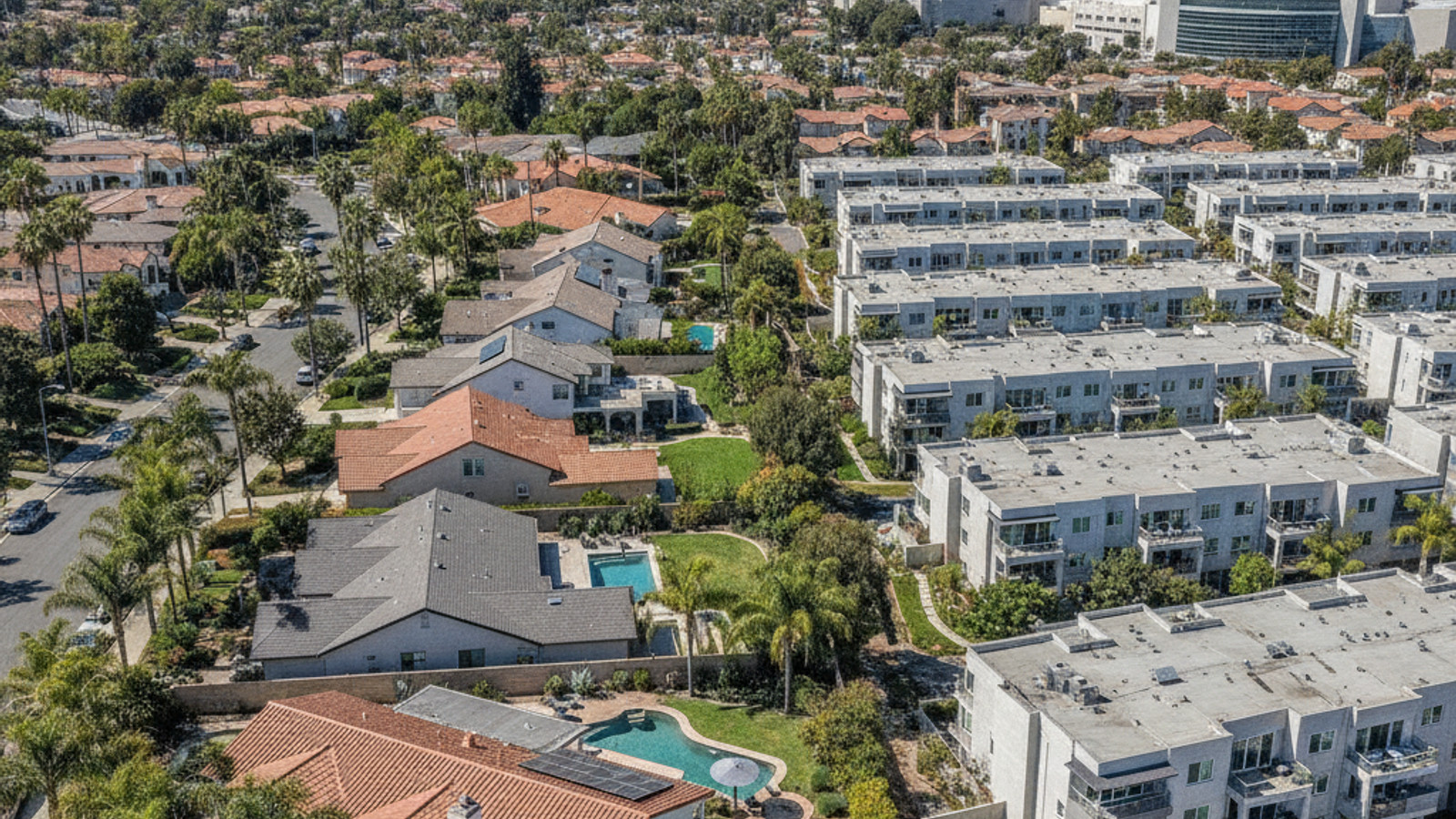
The real estate here runs the full spectrum, from high-density condos in the north to detached single-family homes in the south. If you're serious about investing in University City, San Diego, what separates a good deal from a mediocre one is knowing the current pricing, what rents are actually doing, and exactly which part of the neighborhood you're buying into.
The Case for Buying Investment Property in University City, CA
The median sale price in University City sits around $858,700 as of mid-2026, and homes are going under contract in just 23 days on average. That's not a slow market by any measure.
On the rental side, the median rent runs approximately $3,195 per month - roughly 68 percent above the national average. For a landlord trying to build consistent monthly cash flow, that gap matters.
Current Home Prices and Appreciation Trends
Recent MLS data shows 112 homes sold in a single month. There's been a slight year-over-year price dip of about 8 percent, but don't read too much into that - nearly 22 percent of properties are still selling above asking price.
The average sale-to-list ratio holds at 98.18 percent. Sellers are getting close to what they ask, which means if you want a well-maintained property, come with a competitive offer. Lowballing here rarely works.
Tracking Population and Resident Growth
Population figures for this neighborhood shift depending on who's drawing the boundary lines. Redfin data puts the broader area at nearly 50,000 residents; narrower Census tracts count around 16,400. Recent Census Bureau estimates show a slight population dip of 0.3 percent year-over-year.
What that number doesn't capture is the steady wave of UCSD students and staff cycling through every academic year. The underlying demand for housing here doesn't depend on population growth the way a purely residential suburb might.
Proven Strategies for University City Income Properties
Different parts of the Golden Triangle suit different investment models, and the distinction matters more than most buyers expect before they start looking. Condos near the university campus lean naturally toward student housing; larger detached homes in the south pull long-term renters who want space and a yard.
The strategy you choose should be driven by your available capital and your honest tolerance for tenant turnover - not just what's available at a given price point.
Long-Term Rentals for Students and Professionals
Buy-and-hold is the most common play for investors targeting the UCSD student body and the nearby biotech workforce. Condos and townhomes along Nobel Drive and Regents Road are where most of that activity concentrates, and these units typically price between $600,000 and $900,000.
Proximity to public transit lines or campus shuttle stops tends to reduce vacancy during the academic year. It's a small detail that shows up in your numbers over time.
Applying the 70 Percent Rule to Flipping
The 70 percent rule gives flippers a quick ceiling on what they should pay: no more than 70 percent of the after-repair value, minus renovation costs. That's the math. The harder problem in University City is finding properties that actually hit that threshold.
With a median of just 23 days on market and real buyer competition, steep discounts are rare. Your best hunting ground is older housing stock in the southern portion of the neighborhood, where updates are more frequently needed and sellers sometimes have more room to negotiate.
Standard Real Estate Math and Rules of Thumb
The 1 percent and 2 percent rules are useful filters - monthly rent should equal 1 or 2 percent of the total purchase price for a property to cash flow. You're not hitting those numbers in high-priced California, so treat them as benchmarks rather than requirements.
A few other rules worth keeping in mind: the 3-3-3 rule advises having three months of mortgage payments, three months of vacancy reserves, and three months of maintenance costs set aside before you close. The 7 percent rule suggests expecting an average annual return of 7 percent on your invested capital over the long run. None of these replace a real pro forma, but they'll tell you quickly if a deal is even worth modeling out.
Short-Term and Month-to-Month Rental Options
Investors chasing higher gross revenue sometimes look at short-term and mid-term rental models. A major university generates a specific and consistent need for temporary housing - visiting professors, traveling nurses, parents in town for extended stays.
That said, operating a short-term rental means complying with San Diego municipal codes and licensing requirements. Before you close on anything intended for this use, verify current zoning laws and check the HOA rules. Both can kill the strategy entirely.
Furnished Rentals and Mid-Term Leases
Month-to-month furnished rentals sit between nightly stays and annual leases, and they serve a real niche here - professionals on temporary assignments at nearby medical facilities or corporate offices. You'll spend more upfront furnishing the unit, but you can typically charge a premium over the standard $3,195 median rent. You also avoid the constant turnover and cleaning costs that come with nightly guests.
It's not the right model for every investor, but for the right property in the right part of University City, it works.
Where to Look for Investment Properties in University City
The market currently holds about 103 available listings with 2.8 months of supply - slightly tilted toward sellers, and inventory turns quickly. If you find something worth buying, don't take your time.
The neighborhood divides into two distinct sections, North UC and South UC, and they're different enough that they almost require separate investment theses.
North UC Condos Versus South UC Single-Family Homes
North UC is built around the UTC mall and UCSD, with heavy concentrations of attached housing. Townhomes and condos here generally list between $600,000 and $900,000, which makes them the more accessible entry point for an investor who isn't bringing a massive down payment.
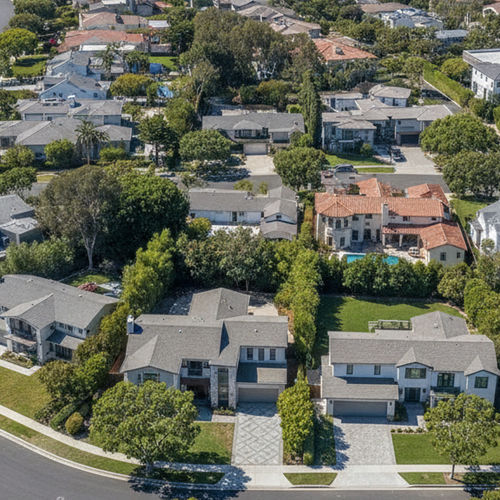
South UC - sometimes called University Square - is a different animal. Single-family homes built between the 1960s and 1980s, and prices that often exceed $1.2 million. Larger down payments, more square footage, private yards, and a renter demographic that skews toward longer-term tenants rather than students.
Commercial Real Estate and Mixed-Use Opportunities
The Golden Triangle also carries a significant commercial footprint - retail spaces and office buildings concentrated near the main thoroughfares and the shopping center. These properties require larger capital outlays and typically involve longer lease terms than residential.
If commercial real estate is on your radar, work with brokers who specialize in the San Diego retail and office sectors. This is not a market to figure out on your own.
Next Steps for Buying Your First Property Here
Before you tour a single home, get your pre-approval letter and proof of funds in order. Sellers in a 23-day market don't wait for buyers who aren't prepared.
On the inspection side, deferred maintenance is one of the primary factors that devalues a house the most. Budget for thorough inspections - plumbing, electrical, structural - before you commit to closing. A surprise repair bill after closing is the fastest way to turn a decent deal into a bad one.
Protecting Your Investment Value
After you close, proactive property management is what keeps your equity intact. Routine maintenance stops small problems from becoming the kind of capital expenditures that quietly destroy your cash flow.
Build in realistic holding costs from the start - insurance, property taxes, and vacancy periods. If your projected return only works when every month is full and nothing breaks, your numbers aren't right.
Finding Local Investor Networks and Agents
Other investors are one of your best resources. San Diego has several real estate investment associations where buyers share strategies and talk through what's actually happening in specific neighborhoods - and that kind of granular, current information is hard to get anywhere else.
A real estate agent who knows University City specifically can make a meaningful difference, both in identifying off-market opportunities and in the negotiation itself. General San Diego experience isn't the same thing.
Frequently Asked Questions
What are the average cap rates and expected cash flow for rental properties in University City?
It depends on the specific property type and purchase price. With the median home price around $858,700 and median rents at $3,195, investors typically see lower initial cap rates compared to cheaper national markets. Cash flow relies on substantial down payments to offset high California mortgage costs.
Does San Diego have specific rooming regulations or HOA restrictions I need to know before renting to UCSD students in University City?
Yes, many condo complexes in North UC enforce homeowner association rules regarding tenant behavior, lease durations, and occupancy limits. Landlords must comply with both local San Diego municipal codes and any binding HOA bylaws when leasing to students.
How does investing in University City real estate compare to neighboring La Jolla or Clairemont for long-term ROI?
It depends on your budget and target renter. University City provides a strong middle ground, offering steady student demand near UCSD that differs from the higher-priced luxury market in La Jolla.
When is the best time of year to list a University City rental to align with the UCSD academic calendar and local biotech hiring?
Late spring and early summer are generally your best window. That timing captures students securing housing before the fall semester, along with professionals relocating for summer hiring cycles.
Are condos near the UTC mall or single-family homes in South UC typically a better investment strategy?
It depends on your available capital and management preference. Condos in North UC near the mall typically price between $600,000 and $900,000 and attract students, while South UC single-family homes often exceed $1.2 million and appeal to long-term renters wanting more space.
What is the primary renter demographic for investment properties in University City, San Diego?
The renter base is driven by the presence of the University of California, San Diego. Landlords frequently lease to university students, faculty members, and employees working in the nearby biotech and medical facilities.
Check out this article next