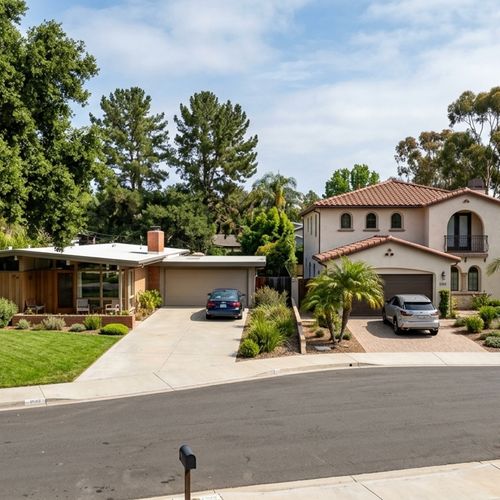

The median home price in University City, San Diego sits around $858,701, and homes are selling in roughly 23 days. If you're a senior looking to downsize or move into a retirement community and considering living in University City, San Diego, the local housing landscape is worth understanding before you start touring. University City has a real mix - age-restricted apartments, assisted living facilities, continuing care properties - and the differences between them matter a lot when you're making a long-term decision.
There's also a practical reason so many retirees land here: UC San Diego Health is right in the neighborhood. When you're evaluating a move at this stage of life, that kind of proximity to medical care isn't a nice-to-have. This guide covers what's actually available in University City, what it costs, and the rules that govern these properties.
What to Know About 55+ Communities in University City, San Diego
California law allows certain housing developments to restrict residency by age, and University City has a range of them - from independent active-adult apartments to full-service assisted living centers. Most of the options cluster near major transit routes and shopping centers.
What you choose depends on two things: how much daily assistance you need right now, and what financial structure works for your situation. Some properties are pure rentals. Others require a large upfront buy-in combined with monthly maintenance dues. Neither is inherently better - it comes down to your circumstances.
Types of Senior Housing Available
Independent living and 55+ active-adult communities are designed for residents who don't need medical assistance. They tend to come with clubhouses, fitness centers, and organized social programming.
Assisted living facilities step in when you need help with daily activities - meals, medication management, dressing. Then there are continuing care retirement communities (CCRCs), which blend both models on a single campus. The appeal of a CCRC is that you don't have to move to a different facility if your care needs increase over time.
The 80/20 Age Rule for California Communities
Under the federal Housing for Older Persons Act (HOPA) and California state law, at least 80% of the occupied units in a 55+ community must have at least one resident who is 55 or older. That's the threshold to legally qualify as age-restricted housing.
The remaining 20% can technically house younger residents, but communities are also legally permitted to enforce a 100% age restriction if they choose. Most University City 55+ properties write their bylaws to require that the primary resident meets the age requirement - so don't assume the 20% flexibility applies where you're looking.
Featured 55+ Communities in the Area
Several established age-restricted properties operate in University City. Avia La Jolla Senior Community, La Jolla Paseo, Casa Aldea at University City Village, and Canyon Park Apartments are among the options you'll come across. These properties focus on independent living with on-site amenities, and they're generally designed with accessibility in mind - elevators, single-story floor plans, space for mobility aids.
Upscale Communities and Amenities
Avia La Jolla and Casa Aldea position themselves as luxury 55+ options. Resort-style pools, high-end finishes, concierge-level services - you're paying for the full package.
And the rents reflect that. Two-bedroom units at Avia La Jolla start at roughly $3,548 per month.
Affordable and Low-Income Options
If your household income is no greater than 80% of the Area Median Income (AMI), you may qualify for subsidized rental housing in San Diego. University City Village is one local option with affordable senior housing units.
Be prepared to wait. The Section 8 waitlist in San Diego has historically averaged around 32 months, which means you should apply well before you actually need to move - not when you're already under pressure to find a place.
Buying Versus Renting
Most dedicated 55+ communities in University City are rental properties, not for-sale condos. Renting removes the burden of property taxes and major home maintenance, which matters when you're on a fixed income.
If you want to buy, you're generally looking at the broader University City condo market rather than age-restricted developments specifically. The median sale price in the neighborhood runs around $858,701, and there are single-story units with elevator access in non-age-restricted buildings worth considering.
The Cost of 55+ Living in University City, San Diego
Neighborhood rents in University City average around $2,934 for a one-bedroom and $3,841 for a two-bedroom. Senior-specific apartments tend to fall in a similar range, though the luxury 55+ communities charge more for their amenities and programming.
Assisted living and CCRC costs run higher still, because you're bundling housing with meals, transportation, and personal care. CCRCs typically layer a substantial entrance fee on top of monthly service fees - and the monthly fees can increase as your care needs change.
Home Prices and HOA Dues
If you're buying a condo in San Diego, you're also buying into monthly Homeowners Association (HOA) dues. The county-wide median in San Diego County is $360 per month, but fees range from $100 to over $1,000 depending on the building's amenities and location.
Luxury condos with pools, extensive common areas, and on-site staff sit at the high end. Factor those dues into your long-term retirement budget now - they tend to climb over time.
Medicare and Medi-Cal Coverage in California
Medicare does not cover long-term custodial care. That means it won't pay for the room and board costs of assisted living or an independent senior community. It covers approved medical services, short-term rehabilitation, and specific skilled nursing care - not the housing.
Medi-Cal, California's Medicaid program, has waiver programs that can help low-income seniors. The Assisted Living Waiver (ALW) is one option for eligible individuals, though it covers care costs only - not the room and board portion of the facility fee.
Retiring in University City: Healthcare and Location
For a lot of retirees, University City's appeal starts with one fact: it sits adjacent to major research and medical institutions, which cuts down significantly on travel time for specialist appointments and emergency care.
The neighborhood itself divides into North UC and South UC, separated by Rose Canyon. They're different enough that which side you land on should probably factor into your decision.
Access to Local Hospitals
University City has immediate access to the UC San Diego Health network. The broader system operates hospitals in nearby La Jolla, Hillcrest, and the College Area at the East Campus Medical Center.
If you're living in a University City 55+ community, top-rated specialists and emergency departments are minutes away.
North UC vs. South UC Amenities
North UC is the right fit if walkability and transit matter to you. The Westfield UTC mall, grocery stores, and the Mid-Coast Trolley extension are all there, which makes it genuinely possible to run errands without a car.
South UC is quieter and more residential, with good access to neighborhood parks. But if you're moving there and you don't drive - or plan to stop driving - you'll want a clear plan for getting to shopping and larger medical facilities, because you'll need a vehicle to manage it comfortably.
Pros and Cons of Active Adult Communities
Moving into an age-restricted community is a real lifestyle shift. You're getting consolidated social programming, fitness options, and handled property maintenance - all in one place. What you're giving up is some flexibility.
Before you sign anything, it's worth being honest with yourself about whether the structured environment fits how you actually want to live. Some people find it ideal. Others find the rules feel more like an imposition than a service.
Benefits of Age-Restricted Living
The low-maintenance lifestyle is the main draw for most people. Landscaping, exterior repairs, common area upkeep - it's handled. You're not chasing down contractors or spending weekends on home maintenance.
The built-in social infrastructure is also real. Communities like Casa Aldea and La Jolla Paseo have staff whose job is to organize events, fitness classes, and outings. If meeting neighbors doesn't happen naturally for you, that kind of programming makes it a lot easier.
Common Drawbacks
The rules are the most common friction point. Bylaws around parking, noise, and how long younger family members can visit or stay overnight can feel restrictive - especially if you have grandchildren who like to spend extended time with you.
Cost is the other issue. The bundled amenities and on-site staffing drive up monthly rents and HOA fees. On a fixed retirement income, that pressure compounds over time.
How to Choose and Tour a Community
Tour in person. There's no substitute for it - you can't assess maintenance standards or noise levels from a website. When you visit properties like Canyon Park Apartments or Avia La Jolla, schedule tours during active hours so you can see how residents actually use the common spaces.
Before you make any decisions, get copies of the community rules, fee schedules, and standard lease agreements. Ask specifically how often rents or HOA dues have increased over the past five years. The answer tells you something important about where costs are heading.
Questions to Ask During Your Visit
Ask the leasing office or HOA board directly about age restrictions and visitor policies. Get specific about how long adult children or grandchildren are permitted to stay as guests - "a few nights" means something different to different communities.
Ask about transportation services too. Some communities run shuttle buses to local grocery stores or UC San Diego Health facilities, which matters considerably for residents who no longer drive.
Reviewing Contracts and Rules
For a rental, confirm whether the lease is month-to-month or a fixed annual term, and understand the penalties for breaking it if a health issue requires a move to a higher-care facility. That scenario is more common than people plan for.
If you're looking at a continuing care retirement community, have a legal or financial advisor review the entrance fee contract before you sign. Specifically, make sure you understand what portion of the buy-in is refundable to your estate.
Frequently Asked Questions
What are the average HOA fees and buy-in costs for 55+ communities in University City?
Specific 55+ HOA fee data for University City is limited. County-wide, the median monthly HOA cost in San Diego County is $360, but fees range from $100 to over $1,000 depending on the building's amenities.
Which University City retirement communities are closest to UCSD Jacobs Medical Center?
Communities in North UC are closest to the UC San Diego Health facilities in La Jolla. Properties like Avia La Jolla Senior Community and Casa Aldea at University City Village provide quick access to that medical network.
Can my adult children or grandchildren live with me in a University City 55+ condo?
It depends on the specific community's bylaws. While the 80/20 rule allows some legal flexibility, most individual communities restrict permanent residency to those who meet the age requirement and limit younger guests to short visits.
Are there long waitlists to get into continuing care retirement facilities in the University City area?
Waitlists vary by facility and unit type, but high-demand communities often have them. For subsidized affordable options like those at University City Village, Section 8 waitlists in San Diego average around 32 months.
Should I buy in a dedicated San Diego 55+ community or just look for an accessible, single-story condo near Westfield UTC?
It depends on whether built-in social programming and age restrictions matter to you. Non-restricted condos near Westfield UTC offer single-story access and proximity to shopping, while dedicated 55+ communities provide planned activities and amenities tailored to seniors.
What are the resale and inheritance restrictions when buying a retirement property in University City?
If you buy in an age-restricted community, heirs can inherit the property but can't live in it unless they meet the 55+ age requirement. They'd need to sell the unit or rent it to an age-qualified tenant - subject to whatever the HOA's rental rules allow.
Check out this article next