The median sale price for a home in University City, San Diego sits around $859,000 as of mid-2026. This triangular community, bordered by La Jolla and Torrey Pines, offers a distinct housing mix that ranges from high-rise condominiums to single-family lots.
If you're looking at University City and want to know how far your budget will actually stretch, the answer depends on which part of the neighborhood you're targeting - and what type of home you're after. With local inventory hovering around 103 available homes, knowing the specific pricing dynamics here is what separates a realistic search from a frustrating one.
Current Home Prices in University City
As of June 2026, the median sale price in University City is approximately $858,700, and homes are spending about 23 days on the market before going under contract. That's a reasonably fast pace - fast enough that you can't afford to drag your feet on a property you like.
The average sale-to-list ratio is around 98.2%, which means most homes are closing just under the seller's initial asking price. Some properties do sell above list, but that's not the norm. You're not walking into a market where every offer needs to be dramatically over asking.
How Local Prices Compare to the Rest of California
The statewide average home price in California is roughly $775,500, and University City outpaces that, reflecting its coastal proximity and direct access to major employment centers in Sorrento Valley. California as a whole saw a minor 0.4% price dip over the past year, but localized areas like University City don't move in lockstep with the state. Demand here is driven by specific housing types and specific employers.
If you're relocating from an inland part of the state, be prepared for a higher baseline cost. That's just the reality of this location.
Comparing University City to the Broader San Diego Market
San Diego County's median sale price sits at about $922,000. The city of San Diego itself comes in slightly higher at $954,000.
University City's median of $859,000 falls below both figures - and that's not an accident. The area has a high concentration of condominiums and townhomes, which pulls the overall median down compared to neighborhoods made up almost entirely of single-family detached houses. It's a mix worth understanding before you draw any conclusions about value.
Breaking Down Costs by Neighborhood and ZIP Code
University City spans several ZIP codes, including 92037, 92117, and 92121, but 92122 is the core ZIP for the neighborhood. Prices shift depending on which side of Rose Canyon a property sits on, and that geographic divide is the single most useful thing to understand when you start comparing listings.
The community splits into two distinct sections, and buyers consistently notice different property types and price points depending on whether they're searching north or south of the canyon.
North UTC vs. South UC
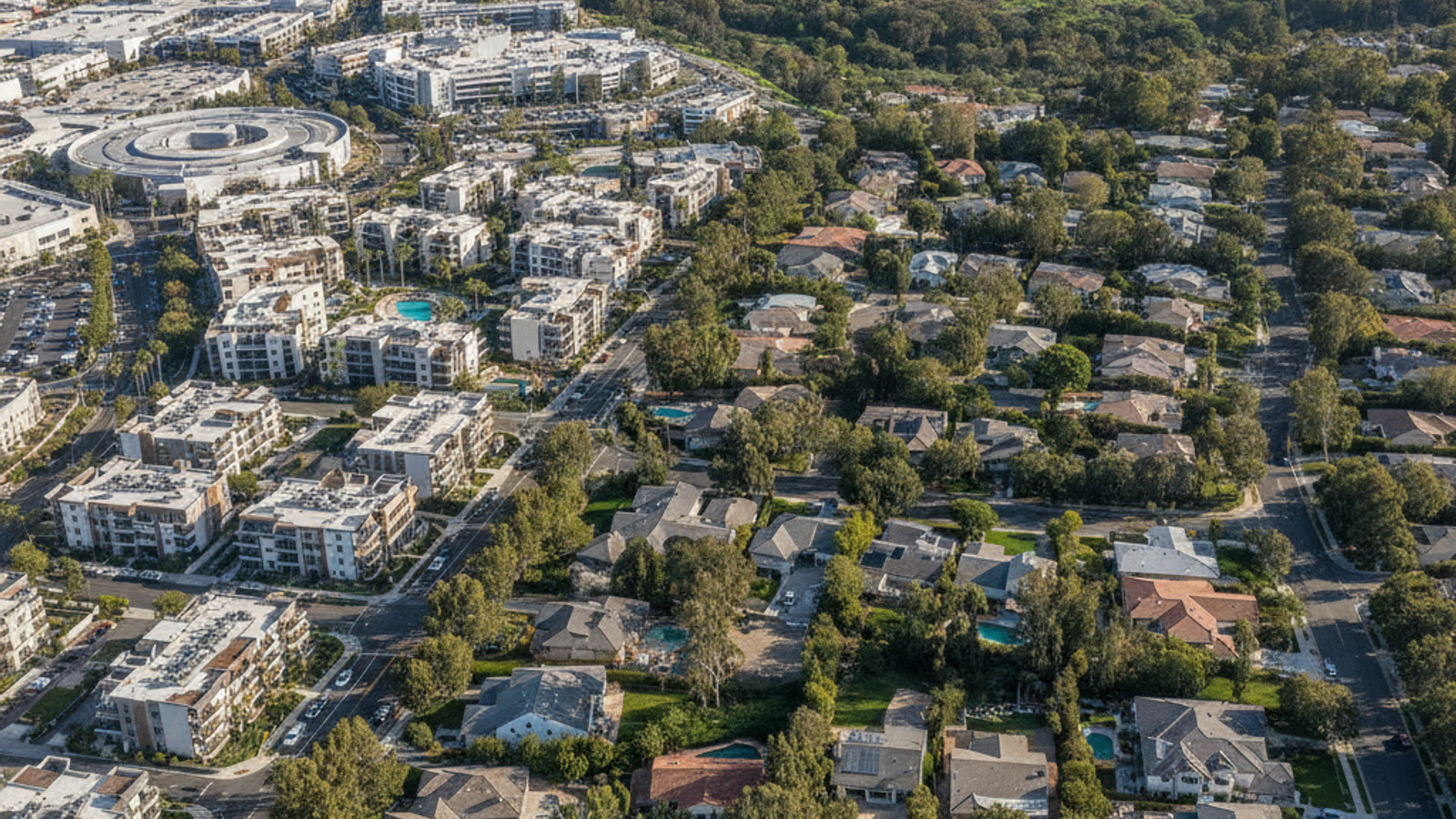
The northern section - University Town Center, or UTC - is built around high-density development near the Westfield UTC mall. Condos and townhomes dominate here, which makes it a common starting point for buyers working with a tighter budget.
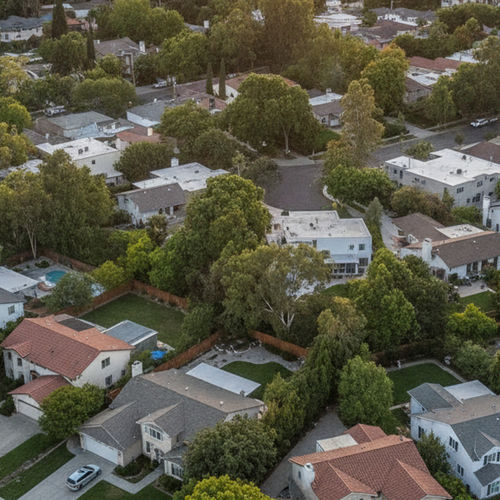
South of Rose Canyon is a different story. University Square along Governor Drive is an older residential section, primarily single-family homes on larger lots. Because of what's actually being sold there, median prices in the southern section generally run higher than in the condo-heavy north. Same neighborhood name on a map, meaningfully different market underneath it.
Price Per Square Foot and Home Size Differences
The average price per square foot in University City is approximately $657 as of mid-2026. That number gives you a working baseline for evaluating whether a specific listing is priced appropriately for its size - though it's a starting point, not a verdict.
A home's condition and exact location will push that figure up or down. Fully updated properties near the La Jolla border routinely command higher per-square-foot premiums, and that gap can be substantial.
Estimating Costs for Different Bedroom Counts
Because University City has genuinely diverse housing options, cost scales directly with bedroom count. A two-bedroom condo in the UTC area will cost you less than a four-bedroom single-family house in the southern tract - that much is obvious. What surprises some buyers is how the jump happens.
Going from a three-bedroom to a four-bedroom here often means crossing from the attached-housing market into the detached single-family market entirely. That's not just a slightly bigger budget. It's a different market segment with a different price floor.
Market Trends and Forecasts for Buyers
Year-over-year data shows the median sale price in University City decreased by about 8.2% leading into the summer of 2026. That's a real drop. And yet 112 homes sold in the recent reporting period, so the market isn't stalled - it's just repriced.
There's currently a 2.8-month supply of inventory in the neighborhood. A balanced market typically carries closer to five or six months of supply, which means sellers still hold an advantage here despite the recent price softening. Don't mistake a price correction for a buyer's market. It isn't one yet.
Recent Shifts in Listing Prices and Inventory
About 22% of homes in University City are currently selling above their list price. That tells you well-priced, move-in-ready properties are still drawing multiple offers - pricing matters more than ever in a softening market, not less.
Days on market is sitting at 23 days. Homes that stay on longer than three weeks often see price reductions, which is worth watching if you're patient and willing to negotiate on something that's been sitting.
Cost of Living and Affordability
The cost of living index for University City is 176 - that's 85% higher than the national average. Housing costs are the primary driver, running 223% above the national baseline.
The neighborhood's index is also 31% higher than the overall San Diego city average. Living here isn't cheap relative to the rest of the city, and a solid financial plan isn't optional.
Budgeting and Household Income
The median household income in University City is roughly $120,500, with average household incomes reaching around $146,900. Those figures give you a rough picture of the earning power typically needed to carry a mortgage in the $850,000 range.
Beyond the purchase price, factor in property taxes, insurance, and the HOA dues that come standard with most condo and townhome developments in UTC. Those recurring monthly expenses hit your debt-to-income ratio directly during the loan approval process, and lenders will be looking at all of it.
Frequently Asked Questions
What is the average price difference between a single-family house and a condo in University City?
It depends on the exact location and size. Condos in the northern UTC area pull the overall median price down to $859,000, while detached single-family homes south of Rose Canyon routinely sell for much more.
Are home prices in University City, San Diego currently dropping or still rising?
Prices have dropped. As of mid-2026, the median sale price in University City is down about 8.2% year-over-year.
How much does it cost to buy a starter condo near UCSD compared to renting?
It depends on current interest rates and the specific condo complex. Buyers should expect the purchase price for a condo in the 92122 ZIP code to factor into the area's overall $859,000 median, plus monthly HOA fees.
Is it more expensive to buy a home in University City or neighboring Clairemont?
It depends on the specific property, but University City generally carries a premium. The cost of living in University City is 31% higher than the San Diego city average, and it borders high-priced areas like La Jolla.
Do homes in the University City area typically come with high HOA fees or Mello-Roos taxes?
Yes, many do. The northern section of University City is dense with condos and townhomes near Westfield UTC, and these attached properties almost always require monthly HOA dues.
Why is there a major price difference between real estate in South UC and the North UC Golden Triangle?
The difference comes down to property types. South UC is an older residential section with single-family homes on larger lots, while North UC is a high-density area filled with condos and townhomes.
Check out this article next