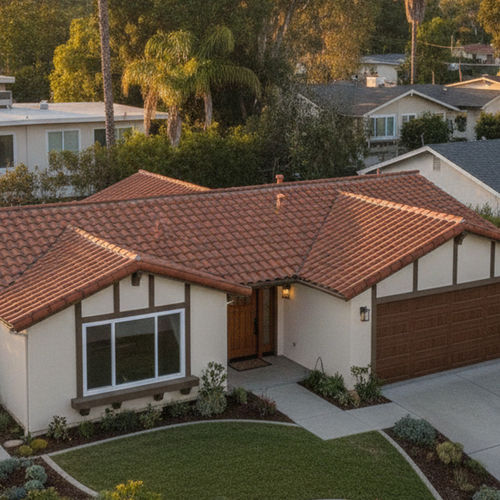
Buyers eyeing University City in San Diego, CA are dealing with a fast-paced housing market this summer. As of mid-2026, the median sale price sits around $859,000, homes are going under contract in roughly 23 days, and nearly 22% of recent sales have closed above asking. People are moving fast.
When you're budgeting at that price point, property taxes deserve a real look - not a back-of-napkin estimate. California's tax structure doesn't work the way most people expect, and your annual bill depends on when you buy the home just as much as what you pay for it. San Diego County handles billing and collection for the 92122 zip code, and the rules are specific about how and when those payments get made.
Current Property Tax Rates in University City
The current San Diego County secured property tax roll covers the 2025-2026 tax year. There's no single fixed rate that applies to every parcel in University City. Bills start with the 1% base rate established by Proposition 13, then layer in voter-approved bonds and local assessments that vary by your specific Tax Rate Area.
Because of those localized additions, the City of San Diego carries an average effective tax rate between 1.1% and 1.25%, with the median settling around 1.20%. Your exact percentage depends on the specific parcel you're purchasing. Before you make an offer, it's worth checking the Tax Rate Area for that address so you know the precise multiplier the county will apply.
How the Local Rate Compares to the Region
University City falls under the City of San Diego's jurisdiction, which puts it on the higher end of the county's tax spectrum. The 1% base rate is a statewide standard - the additional bonds pushing the effective rate to 1.20% are specific to the city.
Proposition 13 and Year-Over-Year Changes
Under Proposition 13, the assessed value of a property can only increase by a small amount each year as long as the same owner holds title. That protects long-term owners from sudden spikes even when open-market values rise sharply. The moment a home sells, though, the county reassesses it at the new purchase price - and that's when the bill resets.
Calculating Your Tax Bill
Market value and assessed value are not the same thing, and understanding that difference is the first step in estimating what you'll actually owe. Market value is what you pay for the home - roughly $859,000 for the median University City buyer in recent months. At closing, the San Diego County Assessor sets the new assessed value equal to that purchase price.
From there, the assessed value and the market value part ways. If the neighborhood runs up and your home is worth $950,000 a few years later, your tax bill stays tied to the original purchase price plus the modest annual increase state law allows.
Estimating Taxes on a Typical Home
Buy a home in University City for $859,000 and your starting assessed value is $859,000. Apply the city's median effective rate of 1.20% and you're looking at an estimated annual property tax bill of about $10,308 - or roughly $859 per month.
That monthly figure matters beyond just your household budget. Lenders factor it into your debt-to-income ratio during underwriting, so it affects how much house you can qualify for.
Using a Property Tax Calculator for the Area
Online calculators can get you a quick ballpark before you make an offer, but you need to input the expected purchase price - not the seller's current assessed value - to get a number that's actually relevant to you.
For the most accurate picture on a specific property in the 92122 zip code, look it up by address on the San Diego County Treasurer-Tax Collector's website. The base assessed value resets when you buy, but the local bond percentages tied to that parcel stay in place and will apply to your new assessed value. That parcel-level detail is what the calculators can miss.
Combined Sales Tax Rates in the Neighborhood
University City residents pay a combined sales tax rate of 7.75% on taxable goods. That rate applies to retail purchases within the 92122 zip code and across the broader City of San Diego.
The 7.75% breaks down as the California state base rate of 7.25% plus a 0.50% local district tax. If you're budgeting for furniture, appliances, or materials for a post-closing renovation, factor that percentage into your early expenses - it adds up faster than people expect.
How to Look Up and Pay Your San Diego County Bill
The San Diego County Treasurer-Tax Collector manages all property tax billing for University City. Through the county's online portal, you can view your current bill, check payment history, and print tax records. Payments can be made online via e-check or credit card, sent by mail, or delivered in person to the county office.
If you're financing the purchase, your lender will almost certainly collect taxes monthly through an escrow account and pay the county directly when installments come due. Most buyers never write a check to the county themselves - but you should still know the deadlines.
Important Payment Due Dates
Secured property taxes in San Diego County are due in two installments. The first is due November 1 and becomes delinquent if not paid by December 10. The second is due February 1 and becomes delinquent after April 10, or the next business day if the 10th falls on a weekend or holiday.
Miss those deadlines and penalties apply immediately. Any unpaid taxes remaining after June 30 go into default, which triggers additional monthly penalties until the balance is cleared.
Exemptions and Base Year Transfers
California has several ways to reduce your property tax burden, but each one comes with specific qualifications you have to meet. The standard Homeowners' Exemption reduces the assessed value of a primary residence - it trims a modest amount off the annual bill, and you apply for it through the county assessor after you move in.
For older residents, California doesn't have a single blanket senior exemption tied to one age. The state's Property Tax Postponement Program requires applicants to be at least 62 years old, blind, or disabled. Some individual school districts offer parcel-tax exemptions that use age 65 as the qualifying benchmark.
Proposition 19 for Homeowners Over 55
Proposition 19 lets eligible homeowners aged 55 or older carry their current home's lower assessed value to a new primary residence anywhere in California. For long-time owners who've built up a significant Proposition 13 tax base, this is a meaningful benefit.
If a seller in University City buys a replacement home of equal or lesser value, they can take their existing tax base with them. If the new home costs more, the tax base adjusts upward based on the price difference - but the bill is still lower than a full market-value reassessment would produce.
New Construction and Special Assessments
Buying new construction or a home in a recently developed subdivision adds a layer of tax complexity worth understanding before you close. When a new home is completed, the county assesses the finished structure and issues a supplemental tax bill covering the difference between the vacant land value and the improved property value.
Many newer California communities also use Mello-Roos Community Facility Districts to fund local infrastructure - roads, schools, parks. Those special assessments appear on the annual property tax bill and can meaningfully raise the effective rate. Mello-Roos districts exist throughout San Diego County and create real variation across the city, but current county data doesn't identify an active Mello-Roos district specifically covering the established University City neighborhood.
Highest and Lowest Tax Areas in the Region
Property tax rates move around San Diego County depending on local municipal bonds and infrastructure needs. The City of San Diego, which includes University City, carries some of the highest average property tax rates in the county at roughly 1.25%. El Cajon also ranks near the top for effective tax rates in the region.
On the other end, buyers looking for the lowest effective rates in San Diego County generally find them in coastal or North County municipalities. San Marcos, Carlsbad, Coronado, Encinitas, and Solana Beach currently sit at the low end of the range.
Frequently Asked Questions
How is the base property tax rate calculated for homes in University City compared to the rest of San Diego?
The entire state of California uses a 1% base rate under Proposition 13. University City and the rest of the City of San Diego share an average effective rate of 1.1% to 1.25% because they fall under the same municipal jurisdiction and share many of the same voter-approved city bonds.
Are there Mello-Roos fees or special assessments tacked onto property tax bills in University City?
It depends on the specific parcel, but it's uncommon in this neighborhood. Mello-Roos districts are prevalent throughout San Diego County, but current data doesn't show an active Mello-Roos district for University City itself.
How much will the property taxes increase when an older University City home is reassessed at today's purchase price?
That depends entirely on what the previous owner paid and how long they held the property. If a long-time owner had a low assessed value and you're buying at the current median of $859,000, the new tax bill will be calculated on that $859,000 purchase price - which can mean a significant increase.
When do new buyers actually receive their supplemental property tax bill after closing on a University City property?
The San Diego County Assessor typically mails the supplemental tax bill several months after the sale is recorded. It covers the difference between the seller's old assessed value and your new purchase price for the remainder of the current tax year.
Can older sellers transfer their current San Diego property tax base to a downsized home in University City?
Yes. Under Proposition 19, homeowners aged 55 or older can transfer their existing assessed property value to a new primary residence in California, which protects them from a full reassessment.
Check out this article next