If you're searching for memory care in University City, San Diego, CA in 2026, you're looking at a range of facility types and some genuinely significant monthly costs. Many families rely on senior placement services in University City, San Diego to find the right fit. San Diego memory care runs roughly $6,579 to $6,951 per month depending on the facility - numbers that track closely with California's statewide averages. That price reflects what specialized supervision and medical attention for residents with cognitive decline actually costs to deliver.
Transitioning a loved one into Alzheimer's or dementia care means evaluating medical proximity, facility types, and how you're going to pay for it. A lot of families in this neighborhood lean on home equity to cover the bills, and with the median home price in University City sitting around $858,700 as of mid-2026, there's often real money to work with. Knowing the care options and the real estate market at the same time helps you make decisions without feeling like you're flying blind.
What to Expect From Local Memory Care Centers
The most prominent senior living options near University City are Belmont Village Senior Living - La Jolla, Atria La Jolla, and Casa Aldea at University City Village. All three specialize in supporting residents with Alzheimer's disease and other forms of dementia, offering specialized programming and secured environments built specifically around cognitive care.
University City itself has limited dedicated senior center infrastructure - the former University City Senior Center is now closed. Nearby, University City Village offers 55+ independent living, and the Gary & Mary West Senior Wellness Center serves low-income seniors aged 60 and older. Most dedicated memory care units you'll find are either integrated into larger assisted living campuses or operating as standalone residential care homes.
Different Care Facility Structures
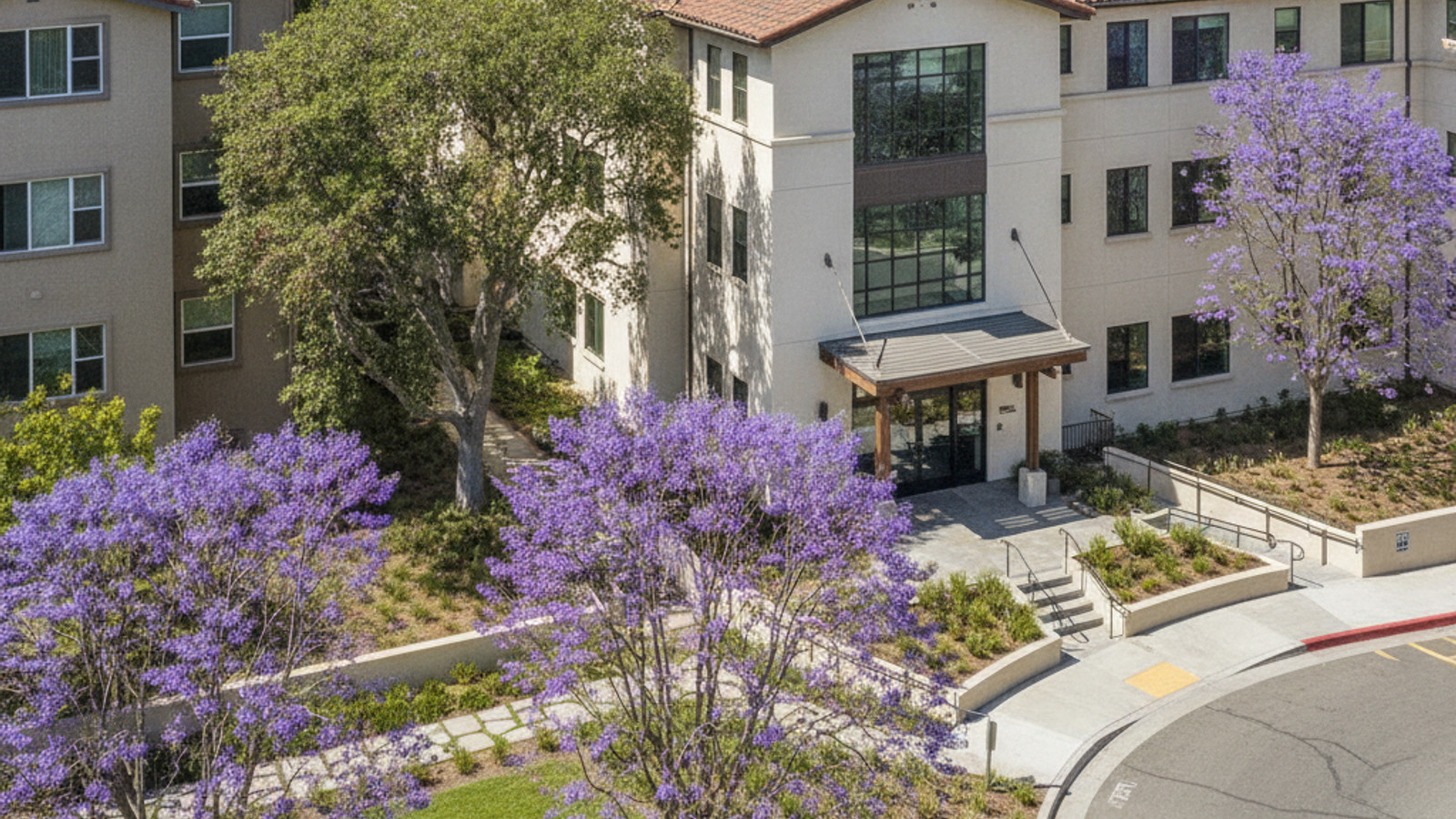
Families can choose between large corporate communities and smaller residential board and care homes. Larger centers typically offer extensive grounds, multiple dining options, and scheduled group activities, with more staff on duty at any given time and broader social programming.
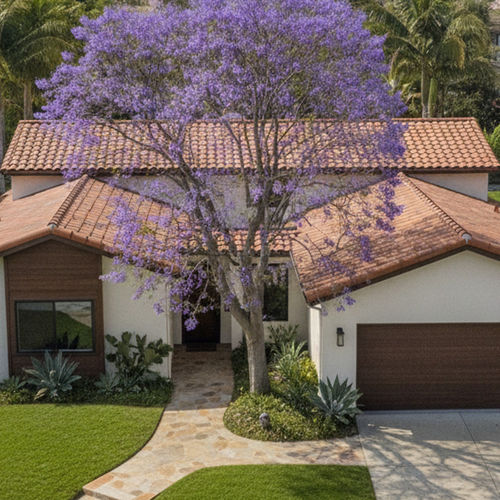
Smaller residential care homes operate in a traditional house setting and offer a lower staff-to-resident ratio. They blend into residential blocks and tend to be quieter - which matters for residents who feel overwhelmed by a large campus. Both types must meet state licensing requirements for memory care.
Standard Services and Care Levels
Memory care units differ from standard assisted living in one important structural way: secured perimeters to prevent wandering. Staff receive specialized training for cognitive decline, behavioral changes, and dementia-specific emergencies.
Daily care covers bathing, dressing, and medication management. Beyond that, facilities design daily routines and activities specifically to stimulate cognitive function and maintain physical mobility. The structure isn't just for convenience - a predictable day genuinely reduces anxiety for residents with dementia.
Monthly Pricing for San Diego Memory Care
Memory care in the San Diego area typically costs between $5,900 and $8,700 per month. A Place for Mom reports an average starting cost of about $6,579; Caring.com puts it at $6,844. Alzheimers.net cites a broader range of $6,000 to $16,000 per month with an $8,748 average.
Those figures run higher than the national average of approximately $6,690 to $6,999 - Southern California's cost of living doesn't stop at the memory care door. Get a clear picture of your finances early so you know how long private funds will actually last.
Estimating Your Monthly Bill
Base rates generally cover room and board, three meals a day, and 24-hour supervision. From there, additional fees can apply for higher levels of medical attention, incontinence care, or specialized therapies. Some facilities use an all-inclusive pricing model; others charge a base rent plus a la carte care fees.
Most facilities assess a new resident's care needs before move-in to assign a pricing tier. Ask for an itemized list of potential extra charges - it's the only way to accurately project long-term costs and avoid surprises as your relative's needs progress.
State Programs and Financial Aid
Medicare doesn't cover long-term room and board for memory care, though it may pay for specific medical treatments or short-term rehab stays. Medi-Cal - California's Medicaid program - can sometimes help cover care costs for low-income seniors, but not every facility accepts it. You'll need to verify payment policies directly with each community you're considering.
Long-term care insurance and veterans' benefits are the two most common ways families bridge the funding gap. Check your specific coverage limits and elimination periods before you count on those funds. A financial advisor can help you sequence these benefits to stretch them further.
Using Real Estate to Fund Long-Term Care
Homes in University City sell for a median price of roughly $858,700, and properties spend an average of just 23 days on the market. For most families, that equity is the primary funding source for memory care costs - which means selling efficiently isn't just convenient, it's urgent.
Working with a Senior Real Estate Specialist (SRES) helps you coordinate the sale while managing the logistical reality of moving a relative into care at the same time. An SRES understands the timeline required to liquidate assets for medical care and can connect you with estate liquidators and moving companies when you need them.
Selling a Property in University City
With local inventory around 103 available homes, seller demand stays steady. About 21% of homes sell above list price, which gives you a reasonable shot at unlocking more equity than you might expect. The harder part is often practical: clearing out decades of accumulated belongings takes time you may not feel like you have.
Families frequently use bridge loans to cover the initial facility deposit and the first few months of rent while the house is listed. Once the sale closes, the proceeds pay off the bridge loan and fund ongoing care costs - a clean sequence that keeps everything moving without delaying placement.
Renting Out the Home Instead of Selling
Keeping the property and using rental income to cover monthly facility bills is a legitimate option for some families. The key question is whether local market rent will actually cover both the care costs and the property's ongoing maintenance. It also preserves the asset for future inheritance, which matters to some families.
That said, being a landlord adds real responsibility - and out-of-town relatives often underestimate how much of their attention it will absorb. Hiring a local property management company helps, but it cuts into the rental income. Weigh the monthly cash flow honestly against the immediate lump sum a sale would put in your hands.
How to Choose the Right Facility
University City sits near several major medical centers, which matters more than people often realize when choosing a memory care location. UC San Diego Health - Jacobs Medical Center and UC San Diego Health Surgical Services on University Center Lane are both immediate options. Scripps Memorial Hospital La Jolla is also nearby.
UC San Diego Health operates as the region's only academic health center with two Comprehensive Stroke Centers. During your search, map the actual drive time from each facility you're considering to these hospitals - not just the distance.
Questions to Ask During Your Tour
When you visit Belmont Village, Atria La Jolla, or Casa Aldea, ask specifically about staff turnover and the staff-to-resident ratio on night shifts. Residents with dementia rely on familiar faces, and inconsistent staffing disrupts that routine in ways that show up quickly in a resident's behavior.
Ask how the facility coordinates with local hospitals like Jacobs Medical Center during a medical emergency. Then look at the activity calendar to confirm the events involve genuine cognitive engagement rather than passive entertainment. A thoughtful activity schedule tells you a lot about how a community actually operates.
Managing the Moving Process
Moving a relative with dementia requires real planning. Set up the new room with familiar furniture, photographs, and bedding before the resident arrives - that visual continuity makes the space feel less foreign from the first moment.
Most facility directors recommend keeping moving day itself brief and calm. Many communities assign a dedicated staff member to shadow a new resident for the first few days to help them settle into the routine. Follow the facility's guidance on visitation during that initial adjustment period, even when it's hard.
Frequently Asked Questions
What are the average monthly costs for memory care facilities in University City, San Diego?
San Diego averages range from $5,900 to $8,700 per month depending on the facility and care level. Caring.com reports an average around $6,844, while Alzheimers.net cites an $8,748 average.
How long are the waitlists for specialized Alzheimer's care communities in the University City area?
It depends on the community and current availability. Popular facilities like Belmont Village Senior Living or Casa Aldea at University City Village can have waitlists, so contact them directly to get current timelines.
Can my parent stay in a standard University City assisted living facility, or do they need a dedicated memory care unit?
That depends on their cognitive needs and wandering risk. Standard assisted living doesn't include the secured perimeters and specialized dementia training that a dedicated memory care unit provides.
How do we transition a family member from a local San Diego hospital directly into a University City memory care home?
Facilities coordinate directly with hospital discharge planners at medical centers like UC San Diego Health - Jacobs Medical Center or Scripps Memorial Hospital La Jolla. The memory care center will conduct a care assessment before accepting the transfer to confirm they can meet the patient's medical needs.
What happens if a resident's private funds run out while living in a University City memory care facility?
It depends on the facility's policies and state programs. Some centers accept Medi-Cal once private funds are depleted, but you need to verify this before moving in - not every private facility accepts government aid.
Are there smaller residential board and care homes in University City that offer memory care, or only large corporate facilities?
Both exist in the broader San Diego area. While prominent names like Atria La Jolla are larger communities, smaller residential care homes also operate locally and offer lower staff-to-resident ratios in a traditional house setting.
Check out this article next