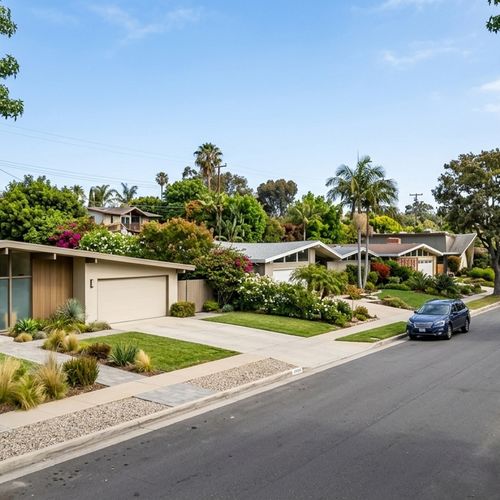
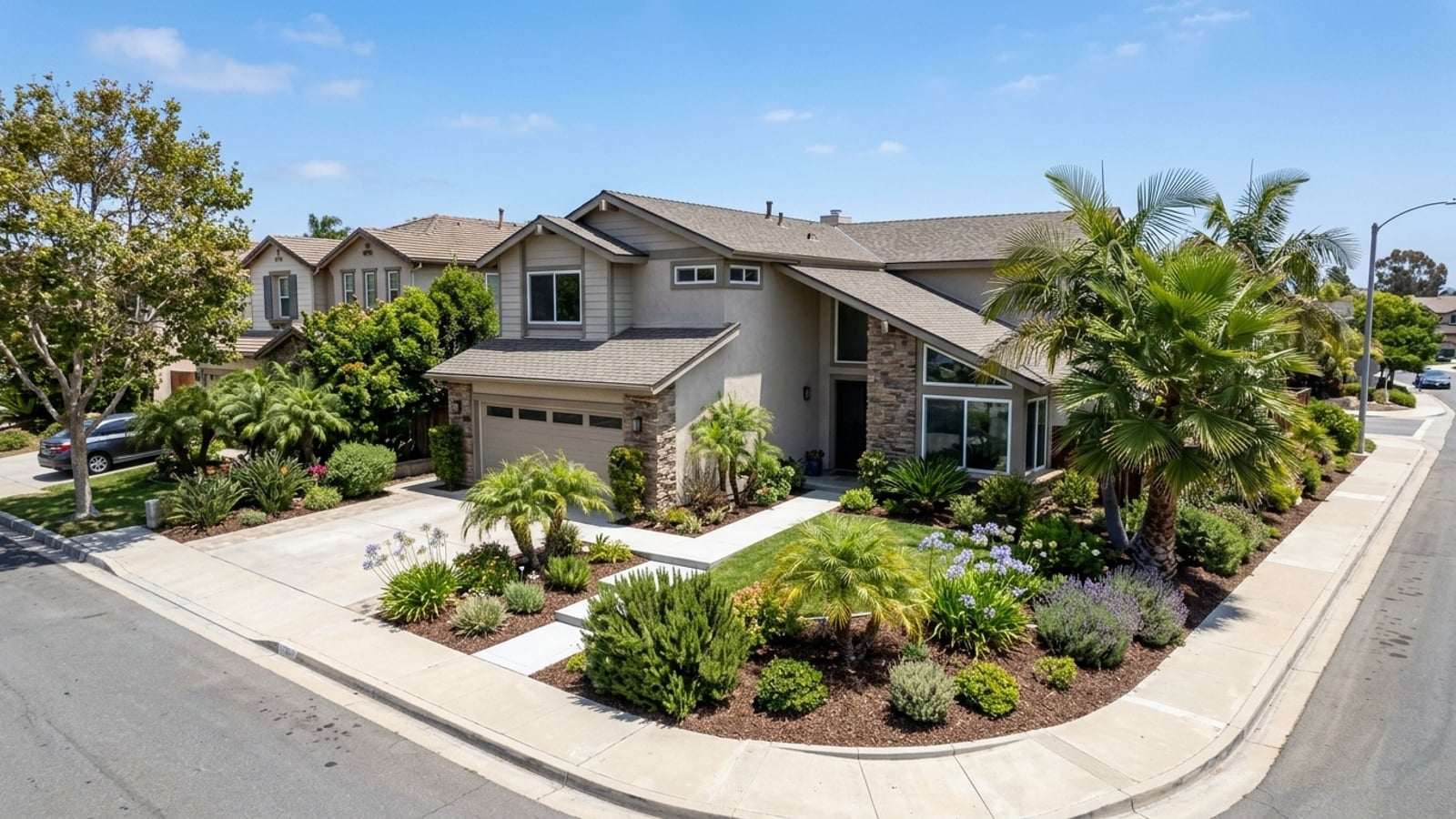
The median home sale price is around $858,700, which means a lot of older homeowners facing senior downsizing in University City are sitting on significant equity. When a parent decides to move into an assisted living community, that equity is usually what funds the care - so getting the sale right matters.
This isn't a standard real estate transaction, though. You're coordinating a physical move, sorting through decades of belongings, and trying to align a closing date with a room availability at a local care facility. That's a lot to manage at once, and it goes a lot more smoothly with a clear plan from the start.
Planning the Move to Assisted Living in University City
One of the first things families underestimate is how much the real estate timeline and the care facility timeline need to talk to each other. Local senior communities like University City Village and La Jolla Del Rey often have specific intake schedules, so you'll want to nail down the move-in date before the house hits the market - not after.
Homes in University City are currently spending roughly 23 days on the market before going under contract. That's a useful number. Work backward from your target move-in date and you'll have a clearer sense of when packing needs to start and when you should be scheduling movers.
Evaluating the Property and Future Space Needs
Most assisted living apartments are considerably smaller than a single-family home. Measure the actual floor plan of the new unit before you pack a single box.
That measurement will make the hard decisions easier - not easy, but easier. An oversized dining set or a heavy bedroom suite that doesn't fit in the new space simply can't come along. Framing those choices around safety and comfort in the new unit helps keep the conversation focused.
Setting a Timeline for the Move
A rushed move is hard on everyone, but it's especially hard on older adults. Starting the downsizing process a few months before the planned move-in date gives you enough runway for sorting, packing, and getting the house ready for sale without everything happening at once.
One thing to sort out early: if the care facility requires a deposit or first month's rent before the house closes, you may need short-term bridge financing to cover the gap. Getting the closing date and the move-in date aligned keeps the funds available when the monthly care bills start arriving.
Steps to Downsize the Family Home
Emptying a house someone has lived in for decades is a big job. The goal is straightforward even when the work isn't - separate what goes to the new facility, what family members want to keep, and what gets sold or donated.
Going room by room makes it manageable. Starting in lower-attachment areas like the garage or guest bedroom lets you build some momentum before you get to the more personal spaces.
Sorting and Donating Belongings
Once you know what's moving to the new apartment, you can sort everything else into clear categories. Local donation centers like The Salvation Army accept drop-offs of gently used clothing, kitchenware, and smaller furniture. For items with real resale value, an estate sale might be worth considering.
Set clear boundaries with family members about claiming heirlooms early. That conversation is easier to have at the beginning than in the middle of a cleanout.
Hiring Senior Move Managers and Estate Liquidators
You don't have to do the physical work yourself. Several senior move management companies serve this area - Senior Move Masters, Next Phase, and Republic Moving & Storage through its Simplified Senior Relocations division. They handle packing, downsizing, and the logistics of moving specifically for older adults, which is a different skill set than a standard residential move.
For clearing out what's left, local estate liquidators can step in. Companies operating in the area include San Diego Liquidation & Estate Services, Savacool and Sons Estate Liquidation & Sales, and San Diego Estate Services. Move managers also frequently work alongside estate-sale partners like Caring Transitions of Del Sur to handle the final cleanout.
Selling the Property in University City
The numbers here are worth knowing. Over a recent period, 112 homes sold in University City, with an average sale-to-list ratio of around 98%. Properly priced homes are landing very close to their asking price.
Inventory is relatively tight - about 2.8 months of supply. Buyers are active. That said, the condition of the property will still drive how quickly it sells and what kind of offers come in. Pricing it right and presenting it well still matters.
Listing As-Is Versus Making Updates
Most older homes need at least some minor repairs or cosmetic work before going on the market. Fresh paint and new carpet can make a real difference, but you have to weigh that cost against what it's realistically going to return.
If the family doesn't have the time or upfront cash to manage renovations, selling as-is is a legitimate option. You'll likely leave a little money on the table, but you'll also skip the contractor scheduling, the delays, and the stress - and get the house to market faster.
Working with an Agent Who Knows Senior Transitions
An agent who has done these sales before understands what makes them different. They can recommend local vendors, schedule showings around the family's situation, and handle the paperwork in a way that's actually sensitive to what's going on.
They also know how to market an older home effectively - leading with location and lot size to attract buyers who want to customize a home in University City, rather than competing on finishes.
Funding the Move with Home Equity
The reason most families sell the long-term family home is simple: care is expensive. A 2025 survey from CareScout reported a median cost of about $7,000 per month for assisted living in California - roughly $84,000 a year.
With a median sale price near $858,700 in University City, the proceeds from a well-executed sale can cover years of care. The key is structuring the financial transition so those funds are actually available when they're needed.
Using the Home Sale to Pay for Care
The most straightforward approach is selling the home and putting the proceeds into an account dedicated to the parent's living expenses. That gives you a clear budget for monthly facility fees and any additional medical costs.
If your parent needs to move before the house closes, a bridge loan or reverse mortgage can cover the gap in the short term. Talk to a financial advisor about the most tax-efficient way to manage the proceeds - that conversation is worth having before closing, not after.
Frequently Asked Questions
Are there senior move managers in University City who can help clear out and pack my parents' house?
Yes. Several local companies specialize in exactly this - Senior Move Masters, Next Phase, and Republic Moving & Storage. They handle packing, downsizing, and coordinating the entire move for older adults.
How can we use the equity from my parents' San Diego home to pay for their assisted living facility?
The most common approach is selling the home and using the net proceeds to cover the monthly care bills, which average about $7,000 in California. If you need funds before closing, a bridge loan can provide short-term cash to secure a spot at a facility.
Should we update my parents' older University City home before selling, or list it as-is?
It depends on your timeline and available cash. Selling as-is gets the home to market faster and avoids the hassle of managing contractors, though cosmetic updates like fresh paint can attract stronger offers in a market where homes are selling close to their asking price.
Can I legally sell my parents' house in San Diego if they are moving to memory care and cannot sign the closing documents?
Only if you have a durable power of attorney that specifically includes real estate transactions. If that documentation isn't in place, you'll need to petition the court for conservatorship before the home can be listed.
Is it better to rent out my parents' University City house or sell it to fund their long-term care?
Selling is usually the better route. It provides a lump sum to cover the roughly $84,000 annual cost of assisted living in California. Renting creates ongoing landlord responsibilities and may not generate enough monthly income to fully cover facility fees.
How long does the entire process of downsizing and selling a senior's home typically take in the current San Diego market?
Once listed, homes in University City are currently spending a median of 23 days on the market before going under contract. The sorting, packing, and prep work, though, should be started a few months before the listing date - that's where the real time goes, and rushing it makes everything harder.
Check out this article next