Families hit this crossroad more often than you'd think when comparing home care to senior placement services in University City, San Diego - keep the house and retrofit it, or sell and use the proceeds to fund a dedicated facility. Neither answer is obvious. The local market moves fast, with homes going under contract in roughly 23 days, so there's real urgency once a family commits to a direction. The physical layout of the property and the current state of the market both matter here, and you can't make a clean decision without looking at both.
With the median sale price in University City sitting around $858,700, most longtime owners are holding significant equity. The real question is how to put that equity to work - whether that means hiring contractors or writing monthly checks to a facility. Both paths carry distinct tax implications and upfront capital requirements that will shape the family's finances for years.
Exploring Your Housing Choices
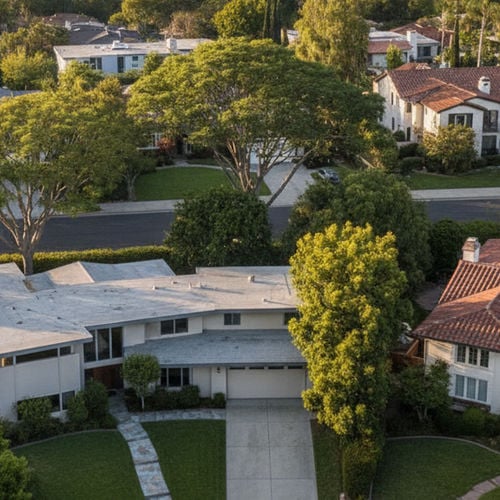
The floor plan of a University City home will often make this decision for you before the spreadsheet does. A lot of properties in this part of San Diego are multi-level, which means substantial work to accommodate a wheelchair or limited mobility - requiring a serious look at entry points, hallway widths, and bathroom configurations well beyond simple grab bars. Keeping the house means taking on that project, and you should go in clear-eyed about what it involves.
Selling removes the property maintenance burden entirely and eliminates the ongoing property tax obligation - San Diego County's effective rate runs roughly 1.16% to 1.25%. Instead of managing a physical asset, you're managing a liquid fund drawn down against monthly care costs. That's a fundamentally different job, and for some families it's the cleaner one.
Upgrading a University City Property for Care
Staying put has a real tax advantage that's easy to underestimate: Proposition 13 caps annual assessment increases at 2%, which for longtime owners means a current tax bill well below the county median of about $5,736 per year. The $7,000 Homeowner's Exemption trims that further. If your parents bought the house decades ago, that locked-in basis is worth protecting.
The problem is the upfront cash. Renovation costs aren't trivial, and homeowners need to honestly assess whether their equity can cover the work without overleveraging the property. Paying out of pocket keeps the home in the family and preserves the asset - but it also ties up capital that isn't earning anything elsewhere.
Moving to a San Diego Facility
Getting a house ready for the open market here doesn't have to mean a full renovation. Homes in University City sell for about 98% of list price, so a well-prepared property is already in a strong position. Cosmetic updates - fresh paint, clean staging - can make a real difference in how quickly you close and how cleanly the timeline lines up with a facility move-in date.
A successful sale hands the family a lump sum they can draw against as medical needs change. No more maintenance calls, no more remodeling decisions, no more property tax bills. For families dealing with a parent whose care needs are likely to escalate, that predictability has its own value.
Real Estate and Financial Impacts
Not every accessibility upgrade translates to resale value, and that gap matters if there's any chance the house eventually goes back on the market. Highly specialized medical modifications can actually narrow your buyer pool. Minor safety additions - grab bars, threshold ramps - tend to blend into a standard layout without raising flags. They solve the immediate problem without redecorating the home around a medical need.
Larger projects are a different conversation. Curbless showers and widened doorways fall under universal design principles, which means they appeal to a broader range of buyers, not just those with mobility concerns. Done right, these upgrades can improve the home's long-term marketability while meeting care requirements today. The families who stay and retrofit successfully are usually the ones who make that distinction early.
Leveraging Home Equity
The most common financing move for owners who stay is tapping accumulated equity through a loan or line of credit to pay contractors. It keeps the property in the family and gets the work done, but it creates a new monthly debt obligation on top of care costs. That math needs to work before you sign anything.
Short-term care needs may not justify borrowing heavily for structural changes. If the project involves moving walls or major plumbing overhauls, run the numbers honestly against what selling would net. Sometimes the renovation path simply doesn't pencil out.
Selling to Fund a Transition
Right now, University City has about 2.8 months of supply, and 112 homes have sold recently - that's a seller's market by any reasonable definition. If the family decides to liquidate, conditions are favorable for securing a strong price without a prolonged listing period.
Timing is the main logistical challenge. Closing dates and facility move-in dates don't always align naturally, but a rent-back agreement can bridge that gap - the seller closes and captures the proceeds while staying in the home for a few extra weeks to complete the move. It's a routine structure in this market and worth asking about.
Comparing Costs in San Diego County
The range of costs on the renovation side is wide enough that you really can't work with ballpark figures - you need actual contractor bids. That said, there are useful benchmarks. A basic accessibility-focused bathroom remodel averages around $9,500 locally. Grab bars run $85 to $300 installed. Wheelchair ramps fall between $1,700 and $5,000 depending on materials and length.
The numbers climb quickly once you move into structural territory. A full ADA-compliant bathroom remodel in San Diego typically runs $15,000 to over $30,000. General contractors generally add 10% to 20% on top of that to manage permits and subcontractors.
Pricing Home Renovations
Most aging-in-place projects in the county land somewhere between $3,000 and $15,000. Add a curbless shower - which alone can cost $750 to $22,000 depending on scope - or any wall relocation, and the total budget can push toward $50,000 without much trouble.
Get multiple bids from accessibility contractors before committing. The point isn't just to find the lowest number - it's to get a concrete figure you can hold up against monthly facility fees. Families who start a renovation without pinning down that number sometimes find themselves halfway through a project they can't finish.
Estimating Monthly Facility Fees
Facility costs vary by amenity level and medical support, and the sources don't always agree. Caring.com reports an average of about $7,035 per month for the San Diego area. A Place for Mom puts the figure closer to $5,179 per month. Retirementliving.com notes that a one-bedroom setup can start around $3,500 per month. Most families in the region end up looking at a realistic range of $4,500 to $7,500 monthly.
Those recurring costs have to be weighed against the lump sum required to renovate a multi-level home. One is a capital event; the other is an ongoing draw. They're not directly comparable, but laying them side by side makes the decision considerably clearer.
Planning Your Next Steps
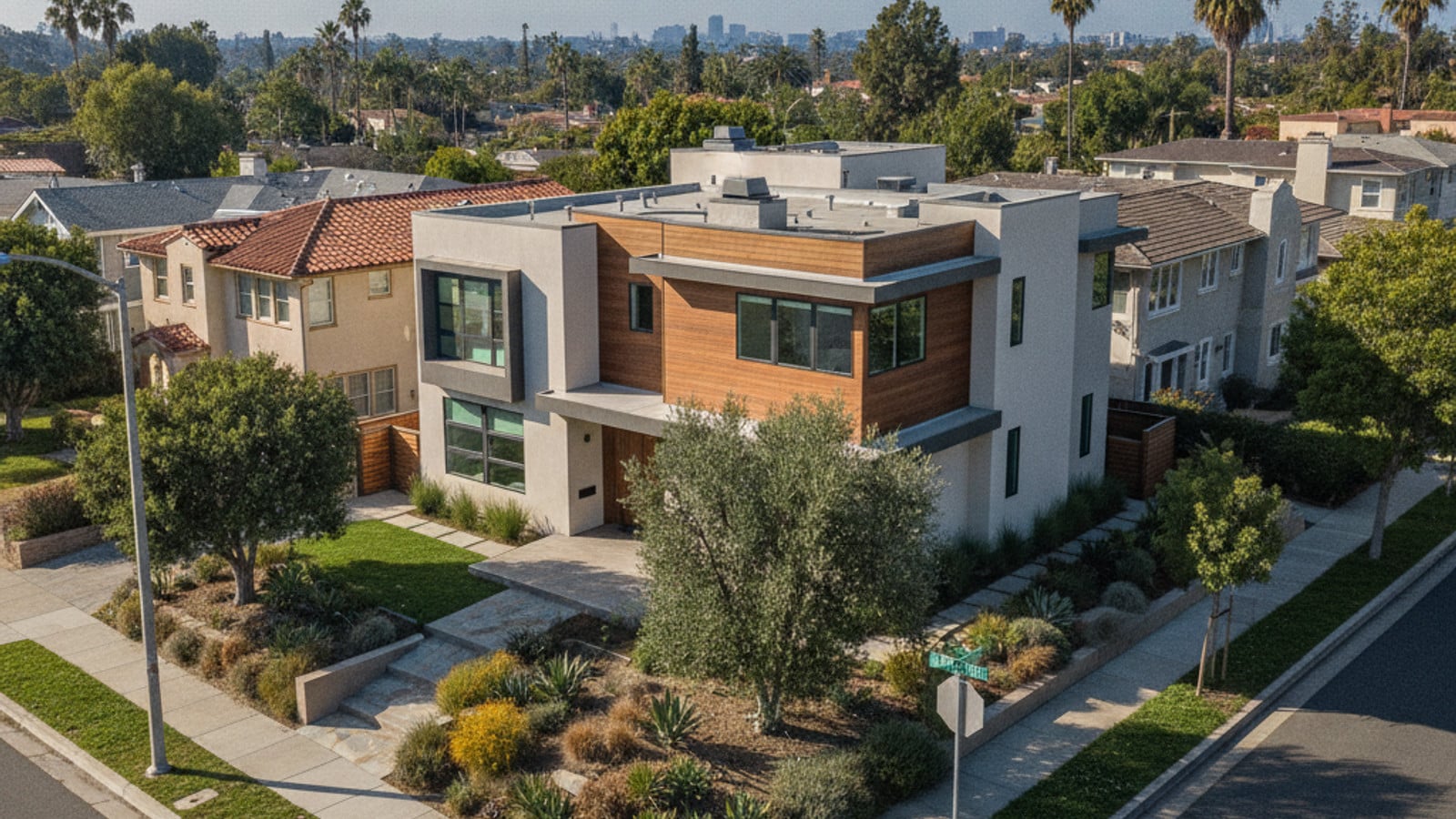
Start with the floor plan. A single-story home with a feasible first-floor bedroom and bathroom is a very different renovation proposition than a split-level with narrow hallways. If the layout resists straightforward modification, the renovation math gets harder fast - and selling becomes the more practical real estate call regardless of what the equity numbers look like.
Once you've assessed the layout, pull together the property tax burden, current equity, and at least two contractor bids. Comparing the $50,000 ceiling for comprehensive renovations against monthly facility fees in the $4,500 to $7,500 range gives you a working baseline. Most families find that putting those numbers on the same page makes the next conversation a lot more focused.
Frequently Asked Questions
Does it make more financial sense to sell our University City home to fund assisted living or use the equity for 24/7 in-home care?
It depends on the extent of the necessary home modifications and your current equity. With median sale prices around $858,700, selling provides a large lump sum for facility fees, which average $4,500 to $7,500 monthly in San Diego. Staying requires budgeting for both home care staff and potential renovation costs, which can reach $50,000 for extensive updates.
How do the costs of retrofitting a multi-level University City house for home care compare to San Diego assisted living fees?
The comparison comes down to upfront capital versus ongoing monthly expenses. A full ADA bathroom remodel runs $15,000 to $30,000 or more to retrofit a house. Local assisted living facilities typically cost between $5,179 and $7,035 per month according to regional data.
Can we use a reverse mortgage on our UTC condo to pay for home care without losing the property?
Yes, a reverse mortgage allows owners to borrow against their equity while remaining in the condo. You must maintain the property as your primary residence and continue paying the county property taxes, which average an effective rate of 1.16% to 1.25%.
What happens to my parent's University City home if one spouse moves to assisted living but the other stays with in-home care?
It remains the primary residence for the spouse who stays. That spouse keeps their Proposition 13 property tax base and the $7,000 Homeowner's Exemption. The family will then need to fund both the ongoing home care modifications and the monthly facility fees for the other spouse.
Are there zoning restrictions in University City for building an ADU for a live-in caregiver as an alternative to assisted living?
Yes, building an ADU requires adherence to local San Diego zoning laws and building codes. You must secure the proper city permits before beginning construction to house a caregiver on the property.
How quickly can we liquidate a home in the University City market if a parent needs immediate placement in a San Diego assisted living facility?
The median time on the market in University City is roughly 23 days. With only 2.8 months of supply, sellers can frequently secure a buyer fast enough to fund an immediate transition.
Check out this article next