
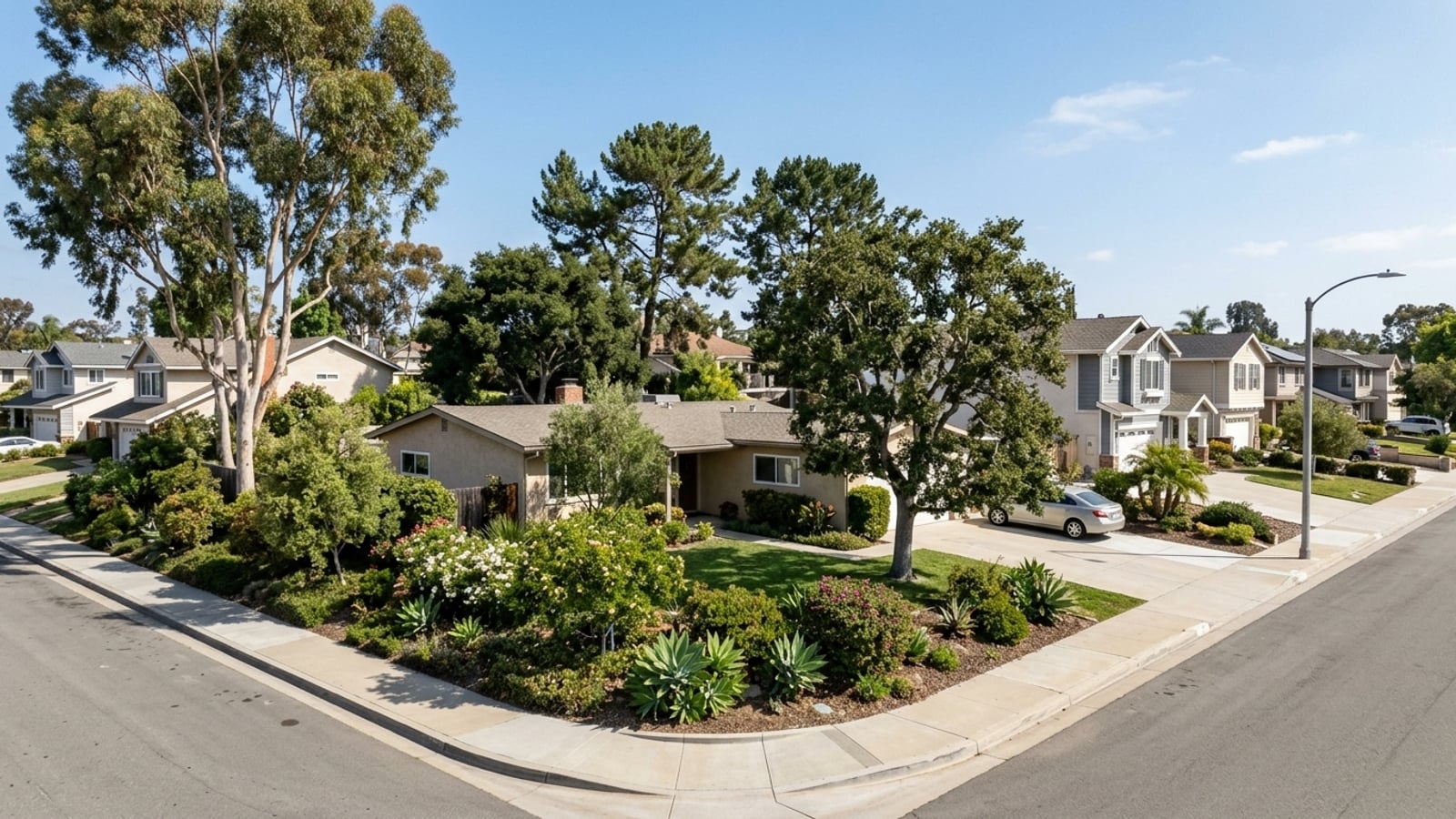
The median sale price for a home in University City sits around $858,000 as of mid-2026, with detached single-family houses frequently exceeding $1.1 million. If you've spent decades in a larger property, that's a substantial asset - and selling it can unlock equity that changes what retirement actually looks like. A smaller footprint often frees up capital for travel, investments, or simply the peace of mind that comes with lower monthly overhead.
Getting from here to there isn't just a moving decision, though. You're balancing California tax law, local market conditions, and the very real logistics of coordinating two transactions at once. University City currently has about 103 homes on the active market, so buyers looking for a smaller footprint do have options - but you'll want to be ready to move when the right one appears.
The Financial and Practical Benefits of Downsizing
The price gap between property types here is meaningful. Detached single-family homes in University City routinely list above $1.1 million, while condominiums in the northern section typically run between $600,000 and $900,000. That's a difference of $300,000 or more - money that can go toward a debt-free purchase of your next place, retirement savings, or both.
The monthly picture shifts too. Heating, cooling, and maintaining a four-bedroom house costs considerably more than keeping up a two-bedroom townhome. Fewer rooms, less exterior, more predictable bills. That's not a small thing after a few years of it.
Tapping Into Your Home Equity
Properties in University City are selling at roughly 98% of their list price, and nearly 22% are closing above the asking amount. Price your larger home correctly and you're in a strong position to walk away with enough to buy your next place outright.
Eliminating a mortgage payment is the fastest way to restructure your monthly budget. That said, talk to a financial advisor before you decide how to handle the remaining proceeds - there are a few ways to deploy that capital, and the right answer depends on your specific situation.
Lowering Maintenance and Utility Expenses
Large yards and multi-level floor plans demand constant attention. Moving into a condominium or an HOA community shifts responsibility for exterior maintenance, landscaping, and roof repairs to the community management. That's not nothing - especially when those calls used to come to you.
Even with HOA dues factored in, the total cost of ownership for a smaller space is often lower than carrying an older detached house. Review the HOA documents carefully before you commit. You want to know exactly what the fees cover and whether the reserve funds are in decent shape.
Property Types for a Smaller Footprint in University City
A recent market snapshot showed 15 to 35 single-story homes for sale in University City, with a median listing price of approximately $672,000. Multi-level homes dominate the local architecture, so single-story inventory is genuinely limited - but it's out there if you're watching closely.
Attached properties are the other path. Condominiums and townhomes generally cost less than detached homes, require zero exterior upkeep on your part, and often come with shared amenities. They're a straightforward way to reduce your footprint without leaving the area.
Single-Story and Ranch-Style Homes
Single-story detached homes give you the privacy of a traditional house without stairs. Buyers favor them for exactly that reason, which means competition can be real when one hits the market.
The data reflects this dynamic. Some single-story detached homes sit longer - occasionally reaching 81 days with only one offer - compared to the broader neighborhood median of 23 days. That can work in your favor as a buyer. But well-maintained, move-in ready ranch homes don't tend to wait around, so be prepared to act when one appears.
Condominiums and Townhomes
Condominiums in the northern section of University City are plentiful and typically priced between $600,000 and $900,000. Many include secure parking, elevator access, and on-site property management - details that matter more than they might have twenty years ago.
Townhomes are a middle ground, though many of them are multi-level. If you're considering one, confirm that the main living areas and the primary bedroom are on the ground floor before you get attached to the floorplan.
Age-Restricted 55+ Communities
University City has several Housing for Older Persons Act (HOPA) communities - Avia La Jolla Senior Community, La Jolla Paseo, Casa Aldea at University City Village, and Canyon Park Apartments among them. These developments restrict occupancy to residents aged 55 and older, and they're designed around accessibility and low-maintenance living.
Most offer fitness centers, clubhouses, and organized social programming. Before you pursue one, review the specific age restrictions and community rules. Federal HOPA guidelines dictate how many units must be occupied by at least one person aged 55 or older, and the details vary by development.
Tax and Financing Considerations in California
California's Proposition 19, which took effect on April 1, 2021, is one of the most important things to understand before you sell. If you're 55 or older, it lets you transfer the taxable value of your primary residence to a new home anywhere in the state - and you can use that transfer up to three times. If the new home costs more than the original property, the tax base adjusts upward, but the savings compared to a completely fresh assessment are still substantial.
This replaced the older, more restrictive rules under Propositions 60 and 90, which required specific county reciprocity agreements. For someone who bought in University City decades ago, Prop 19 is the difference between a manageable tax bill on your next place and a significant spike.
Managing Capital Gains Taxes
A home that's appreciated over decades is an asset - and a potential tax event. The IRS currently allows individuals to exclude up to $250,000 of profit from the sale of a primary residence, or up to $500,000 for married couples filing jointly.
Profit above those thresholds is taxable. One thing worth doing before you list: pull together records of major improvements you've made over the years. Capital expenditures can be added to the home's original cost basis, which can reduce the taxable gain. A tax professional can give you a real number before you're committed to anything.
Financing the Next Purchase
Many downsizers use the proceeds from their sale to buy the next place outright. Others prefer to finance the purchase and keep their capital liquid - traditional mortgages are still an option if you have qualifying income from pensions, Social Security, or investments.
If the timing doesn't work out perfectly between selling and buying, bridge loans and home equity lines of credit (HELOCs) can help. They provide the cash for a down payment that gets paid off once your University City property closes. They're short-term tools, but useful ones.
How to Manage the Moving and Selling Process
Homes in University City are spending a median of 23 days on the market, with 112 homes sold recently and just 2.8 months of supply available. That's a seller's market. But getting a long-held home ready to list while simultaneously hunting for a replacement property takes real coordination - and working through decades of accumulated belongings is usually the most time-consuming part of all of it.
Start sorting well before you plan to list. Hiring professionals who specialize in later-in-life moves can keep the timeline from collapsing under its own weight.
Preparing Your Current Home for the Market
Buyers need to be able to picture themselves in the space. Removing excess furniture, personal collections, and outdated decor helps them do that. Estate sale companies or local charities can take care of items that won't make the move with you.
Minor updates go a long way - fresh paint, professional cleaning, and basic landscaping improvements offer a strong return. Major renovations are rarely necessary, especially in a low-inventory market where buyers are already willing to put in their own work.
Timing the Buy and Sell
Two transactions running at once is the part that trips people up. One option: list your current home with a contingency that lets you find a replacement property before closing. That protects you if your home sells faster than expected.
If you have the funds, buying first, moving your belongings, and then listing the vacant University City house is worth considering. Vacant homes are easier to stage and show, which can mean a faster sale and a stronger final price.
Hiring a Senior Real Estate Specialist
A Senior Real Estate Specialist (SRES) is an agent trained specifically for clients aged 50 and older. They understand Proposition 19, capital gains implications, and HOPA community requirements - and they come with a network of estate planners, tax advisors, and specialized movers who've done this before.
If your situation involves any real complexity - and most do at this stage - that combination of expertise and vetted contacts is worth seeking out.
Frequently Asked Questions
Can I transfer my current property tax rate if I sell my University City home and downsize elsewhere in San Diego?
Yes. Under California's Proposition 19, homeowners aged 55 or older can transfer the taxable value of their existing primary residence to a replacement primary residence anywhere in the state. If the new home costs more, the tax base adjusts upward, but it still provides substantial savings compared to a completely new assessment.
Are there single-story homes or 55+ communities available for seniors who want to stay in University City?
Yes, though single-story inventory is limited - recent counts show between 15 and 35 single-story homes for sale around a median of $672,000. University City also has several HOPA-compliant 55+ communities, including Avia La Jolla Senior Community, La Jolla Paseo, Casa Aldea at University City Village, and Canyon Park Apartments.
Do I need to remodel my older University City house before selling, or is it better to list it as-is?
It depends on the property's condition and your timeline. With homes in University City currently selling in a median of 23 days and inventory sitting at just 2.8 months of supply, major renovations are rarely required to attract buyers. Minor updates like fresh paint and decluttering usually provide the best return on investment.
Should I downsize to a smaller condo near UTC or look into dedicated independent senior living?
It depends on how much maintenance you want to hand off and how much community involvement appeals to you. Condominiums in the northern section of University City, typically priced between $600,000 and $900,000, offer standard amenities without age restrictions. Dedicated 55+ communities provide specialized social programming, fitness centers, and clubhouses tailored for older adults.
What local San Diego services can help me declutter and manage an estate sale before listing my home?
Specific vendor names vary, but a Senior Real Estate Specialist (SRES) can connect you with trusted local estate sale companies, charities, and specialized movers. These professionals help sort decades of belongings and manage the logistics of clearing the home before it hits the market.
How long does it typically take to sell a large, multi-level family home in University City?
The median time on market for University City homes is currently 23 days, but it varies by property type. Detached single-family homes generally attract offers faster than older attached condo units, though specific single-story detached homes have been known to sit longer - occasionally reaching 81 days.
Check out this article next