The median sale price for a home in University City sits around $895,000 as of mid-2026. When a property owner passes away without a trust, their home often enters the court system before it can change hands. This creates a unique subset of the local housing market that operates under entirely different rules than a standard transaction, which is why many families consult the best probate real estate agent in University City San Diego to navigate the process.
Handling a Probate Listing University City, San Diego requires understanding specific timelines and legal procedures. Buyers and heirs alike face a process dictated by California law, complete with court confirmations, mandated notices, and specialized disclosures. Knowing how these sales function prevents costly delays when transferring real estate.
How Probate Real Estate Sales Work in California
A probate real estate transaction occurs when a court oversees the sale of a property because the deceased owner did not leave the asset in a living trust. The court appoints an administrator or executor to manage the estate, pay off debts, and distribute the remaining assets. This appointed person signs the listing agreement and handles the negotiations on behalf of the estate.
These homes appear on the Multiple Listing Service (MLS) alongside standard listings, but the background mechanics are completely different. The administrator cannot simply accept an offer and close escrow in 30 days. The court must ensure the property sells for a fair market value to protect the heirs and creditors.
The Timeline for Selling an Estate Property
The process begins when an heir or interested party files a petition with the San Diego Superior Court. It often takes several weeks just to secure a hearing date to appoint the administrator. Once appointed, the administrator receives Letters of Administration, which grant them the legal authority to hire a real estate agent and market the home.
From there, the timeline depends on whether the administrator has full or limited authority under the Independent Administration of Estates Act (IAEA). Full authority speeds up the process, allowing the estate to accept an offer and close without a formal court confirmation hearing. Limited authority requires court approval for the sale, adding months to the timeline.
Administrators handling a sale in San Diego, CA must follow specific legal steps:
Notice of Proposed Action (NOPA): The administrator must send this notice to all heirs 15 days before the sale closes, detailing the accepted offer price and terms.
Appraisal: The court appoints a probate referee to appraise the property, and the accepted offer must be at least 90% of this appraised value.
Court Confirmation: If the administrator has limited authority, the accepted offer remains pending while the court schedules a confirmation hearing.
Fees and Costs: The estate pays for court filing fees, the probate referee's appraisal, and standard county transfer taxes.
Rules for Buying a Court-Confirmed Home
Purchasing a court-confirmed property involves specific financial requirements that differ from a traditional home purchase. Buyers submitting an offer on a probate home must provide a 10% deposit upfront. This cashier's check accompanies the purchase contract and shows the court that the buyer has the funds to perform.
These properties are sold completely as-is, meaning the estate will not issue credits or perform repairs before closing. Buyers should conduct thorough inspections before the court date to understand the condition of the home. The administrator often has little to no personal knowledge of the property's history, so standard seller disclosures are minimal.
If the sale requires court confirmation, the initial buyer's accepted offer is not final. During the hearing, the judge will ask if anyone in the courtroom wants to overbid the current contract. California law dictates the minimum overbid formula, which is the accepted offer plus 10% of the first $10,000 and 5% of the remaining balance.
Current Housing Data in University City
The mid-2026 median sale price for homes in this area is approximately $895,000. Single-family detached homes generally command higher prices, frequently exceeding the $1,200,000 mark depending on lot size and condition. Condominiums and townhouses offer a more accessible entry point, with many units trading between $600,000 and $800,000.
Homes average 26 days on the market before securing a buyer. Properties priced accurately relative to their condition tend to attract multiple offers within the first two weeks. A Probate Listing University City, San Diego often requires a longer escrow period, but the time spent actively marketing the home aligns with these broader neighborhood averages.
Housing Styles and Local Infrastructure
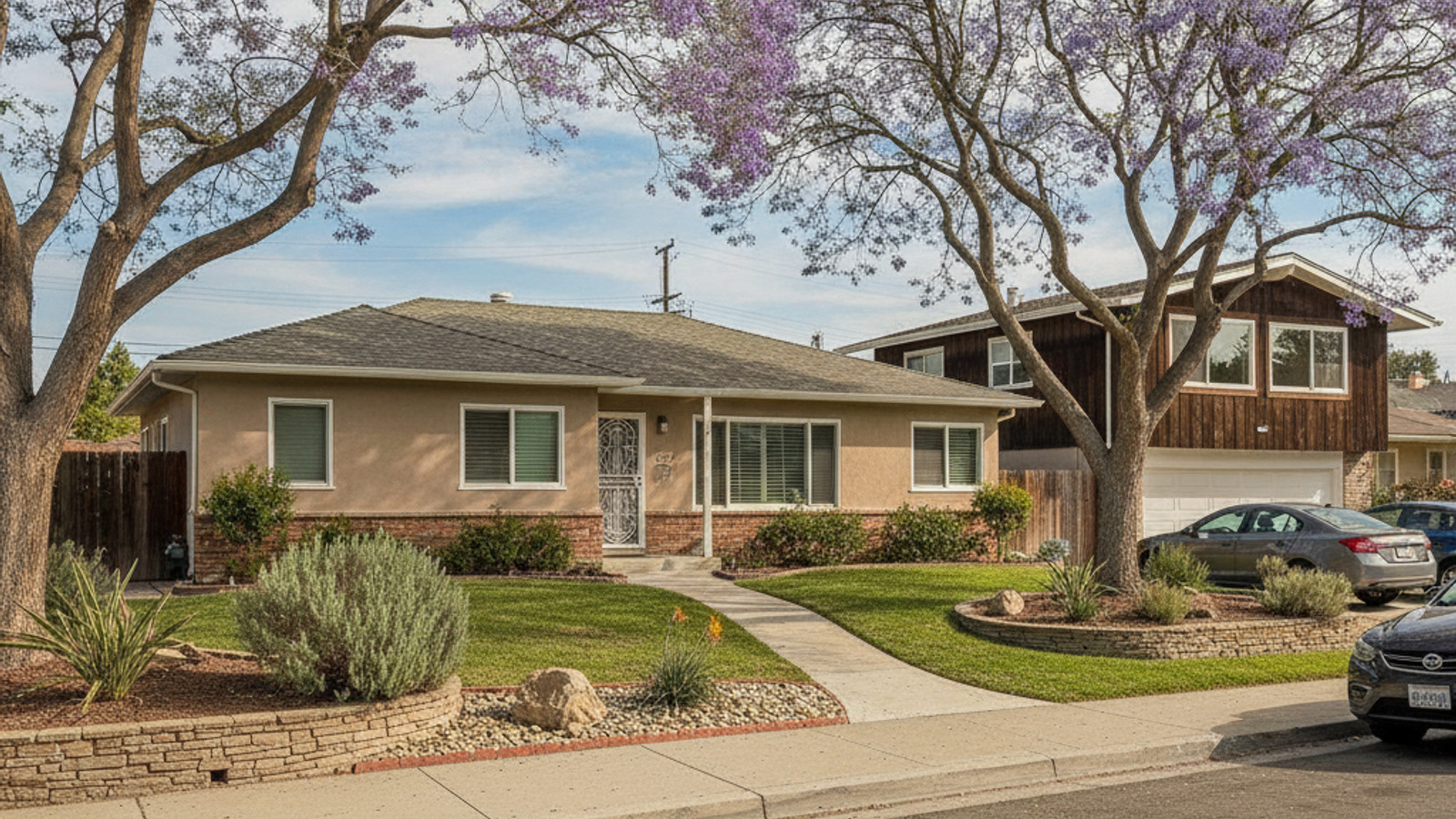
University City developed primarily in the 1960s and 1970s, resulting in a mix of single-story ranch homes, split-level designs, and larger condominium complexes. The neighborhood sits immediately east of the UC San Diego campus, making it a functional hub for university staff and medical professionals.
Transportation access defines the layout of this community. Commuters use I-5, I-805, and CA-52 to reach downtown San Diego and surrounding employment centers. The UC San Diego Blue Line trolley extension runs directly through the area, offering a reliable public transit alternative to highway driving.
The area includes several major public amenities and school zones:
Public Transit: The Blue Line connects the neighborhood down to the border and up through the university campus.
School District: Properties fall within the San Diego Unified School District, which operates several local campuses in the immediate zip code.
Parks and Recreation: Rose Canyon Open Space Park provides extensive hiking trails right along the southern edge of the neighborhood.
Medical Centers: The nearby Jacobs Medical Center and Scripps Memorial Hospital serve the local population.
Frequently Asked Questions
Are probate records public in California?
Yes, all documents filed with the local court become part of the public record. Anyone can visit the courthouse or use the online portal to view the initial petition, the inventory of assets, and the final sale price. This transparency ensures the administrator acts in the best interest of the estate.
How long does it take to sell a house in probate in San Diego?
The entire legal process usually takes between nine and eighteen months from the initial filing to the final distribution of funds. The active marketing and sale of the physical property generally take three to five months of that total time. Estates with limited authority face longer timelines due to mandatory court hearings.
What is a Notice of Proposed Action (NOPA)?
A NOPA is a formal document sent to all heirs outlining a major decision the administrator plans to make, such as accepting an offer on a house. The heirs have 15 days to object to the proposed terms. If no one objects, the administrator can proceed with the sale.
Check out this article next